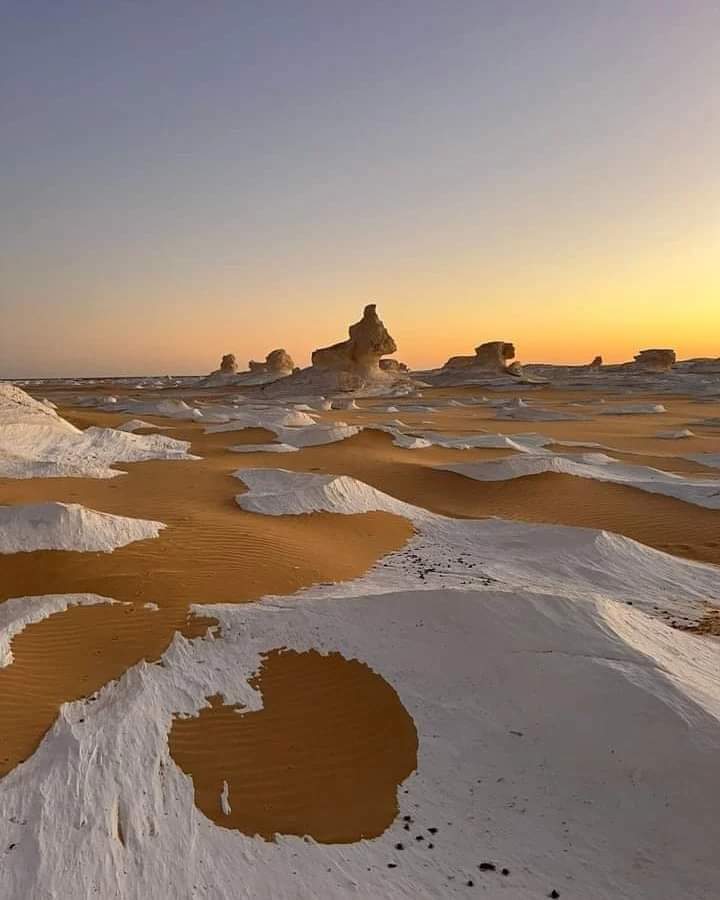
White Desert Stargazing Guide: Milky Way, Stars & Best Night-Sky Conditions

The White Desert changes completely after sunset.


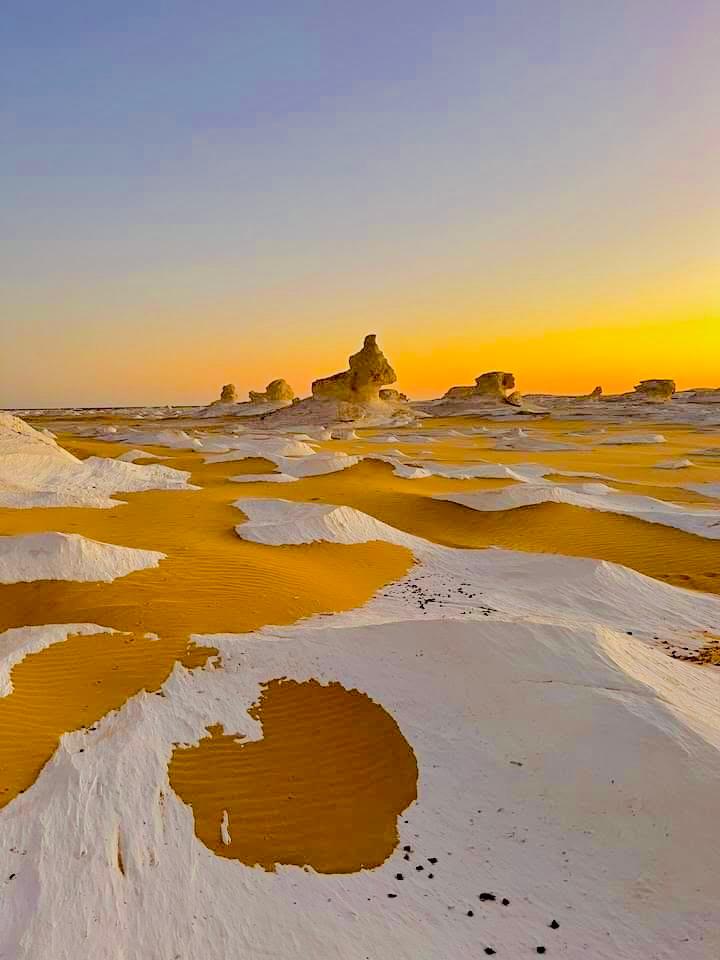
During the day, your attention goes downward and outward.


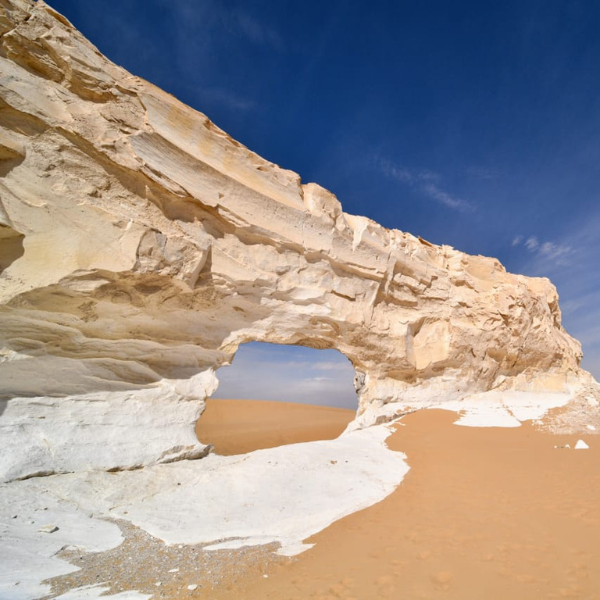
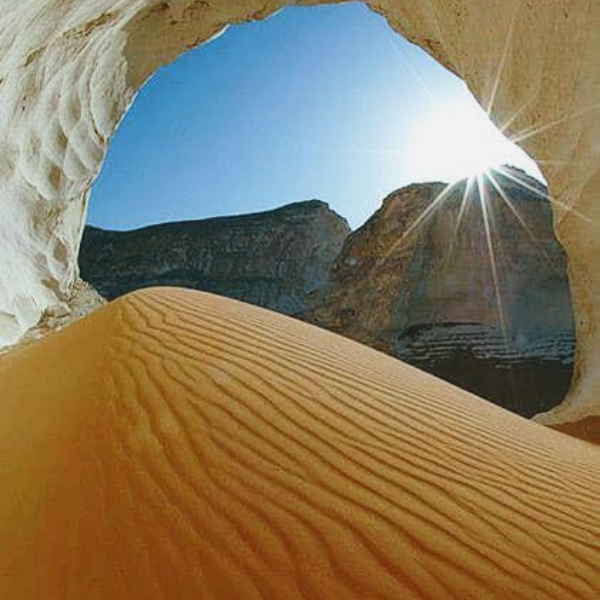
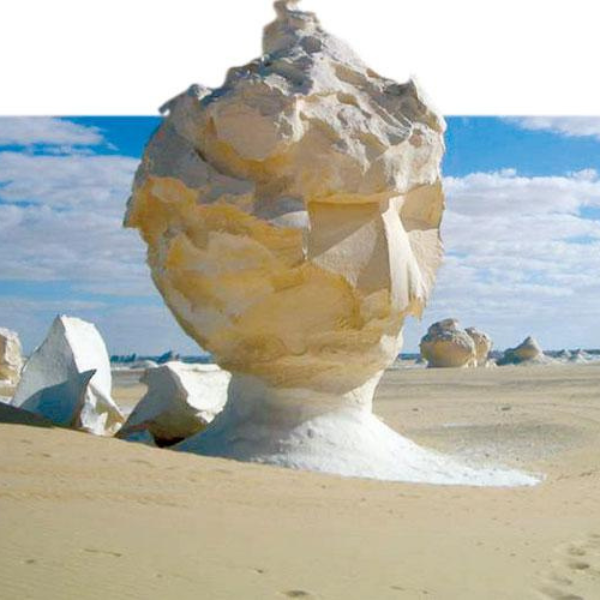
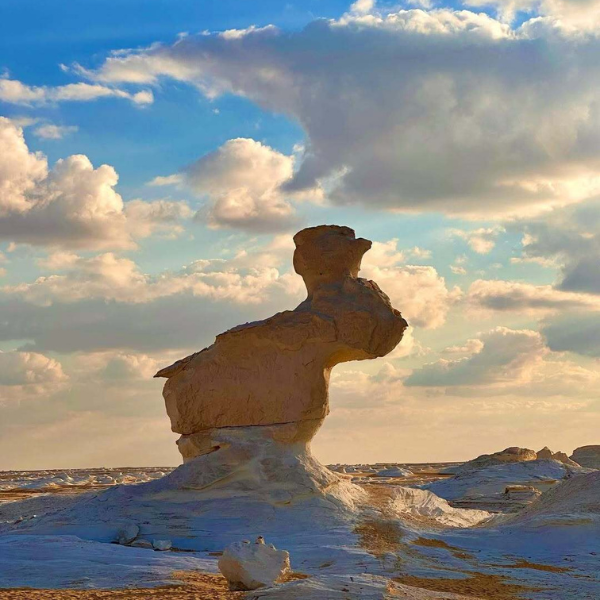
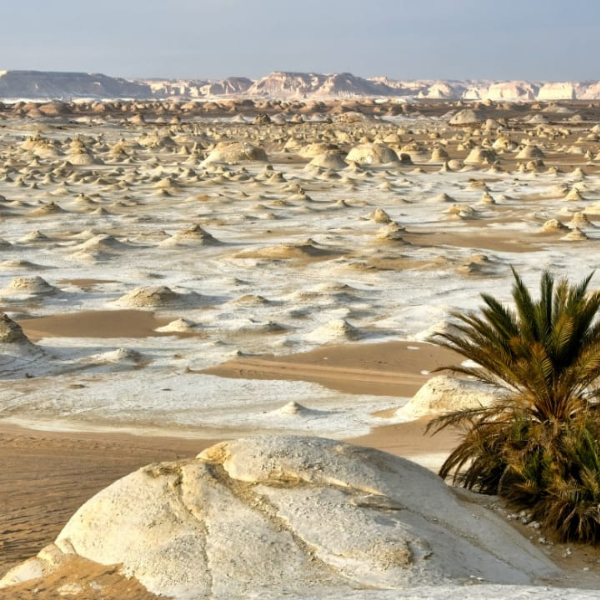
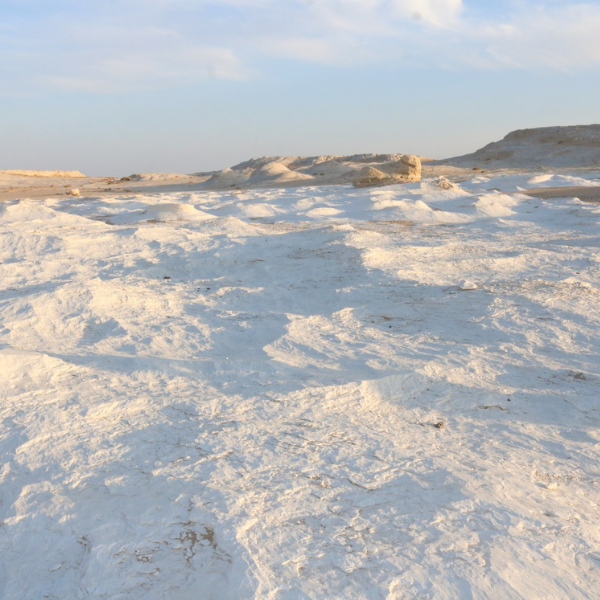
You look at chalk formations.


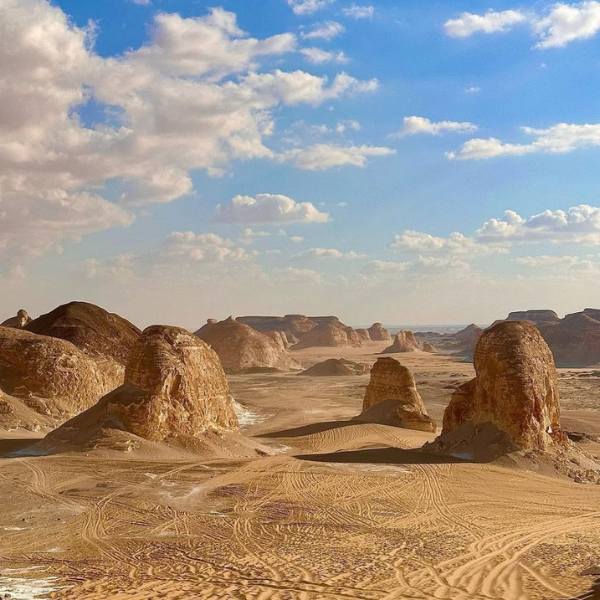
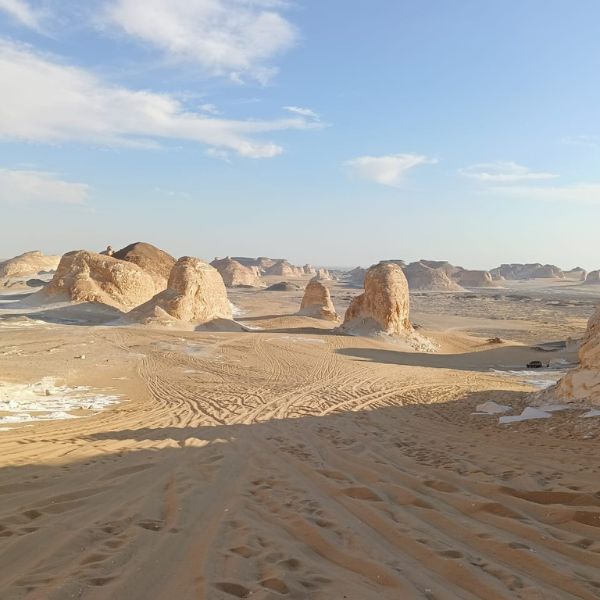
Golden sand.


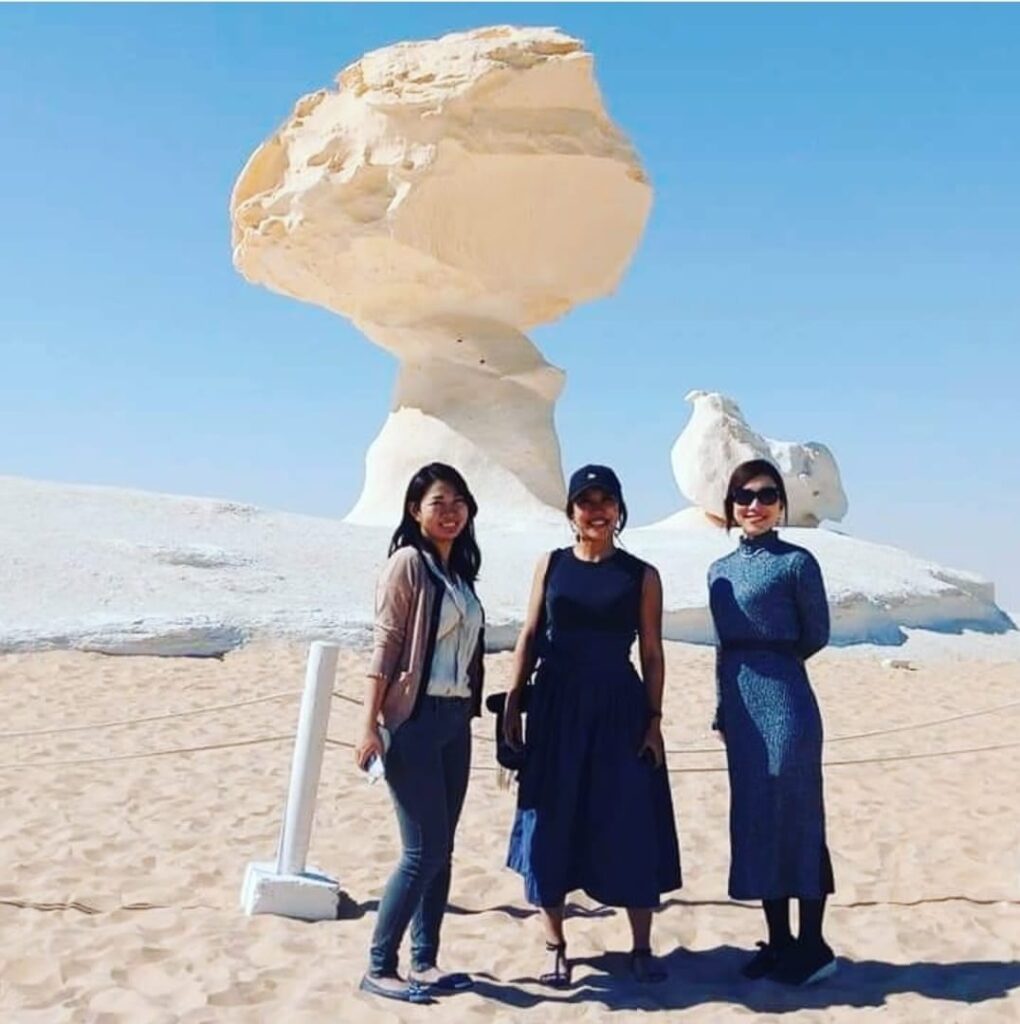
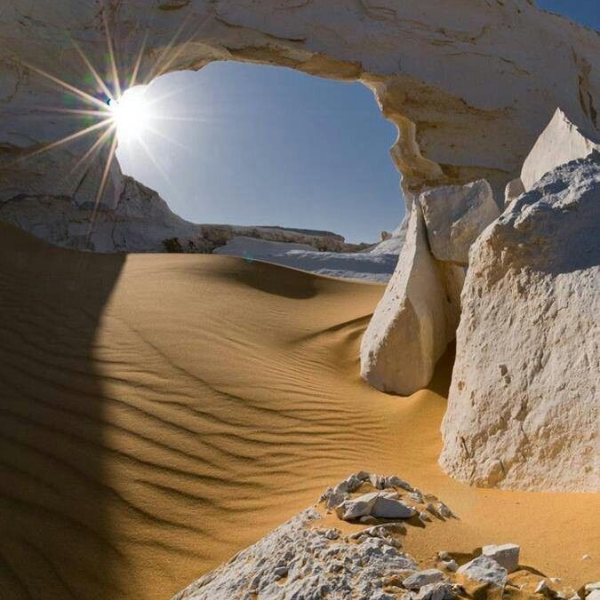
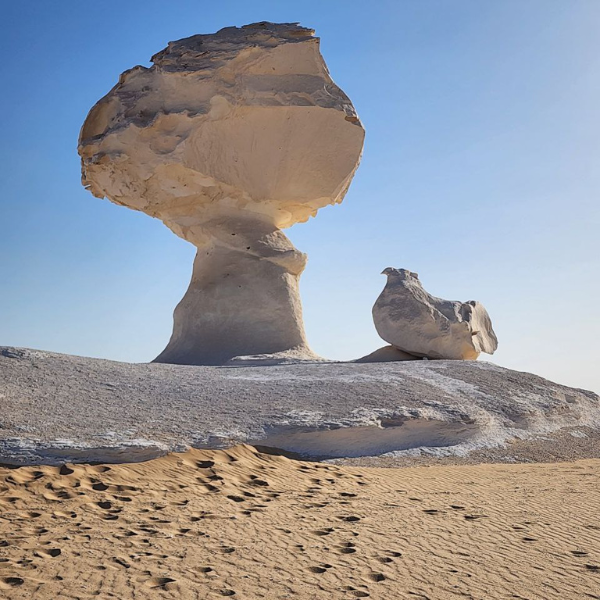
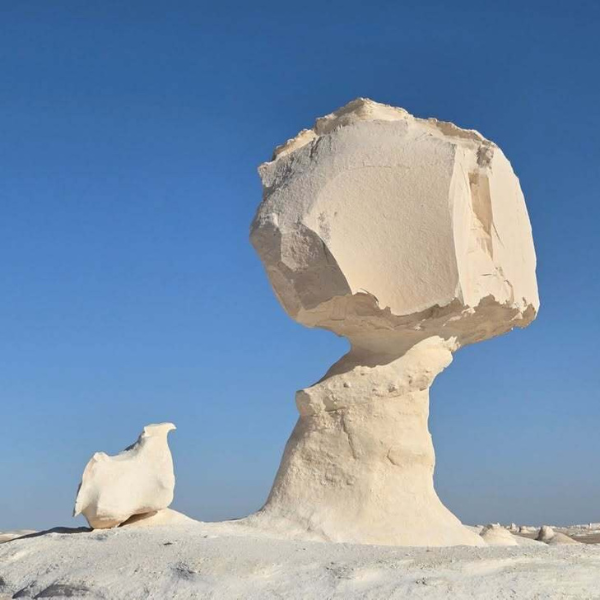
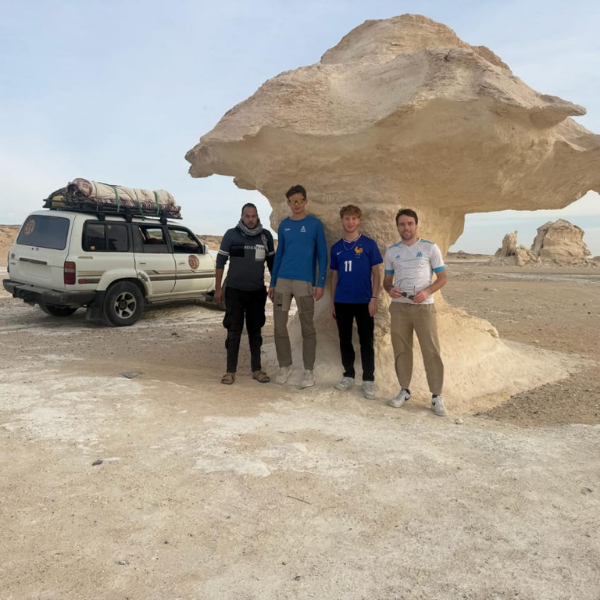
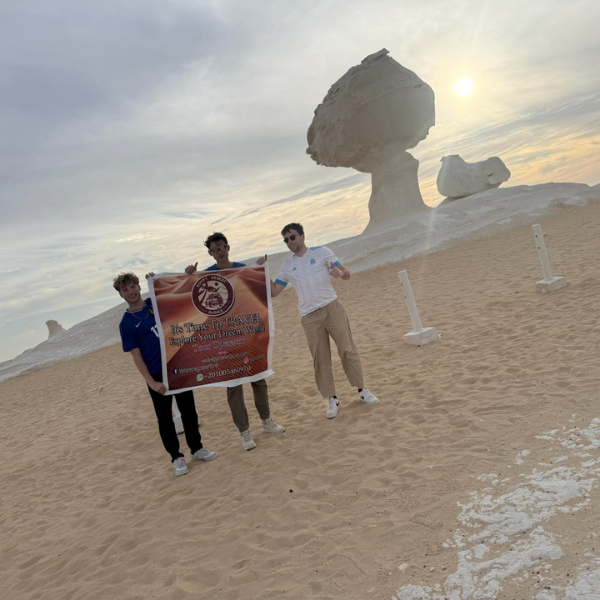
Mushroom-shaped rocks.


Crystal Mountain.


Agabat Valley.


And the strange white landscape stretching across Egypt’s Western Desert.


Then the Sun disappears.


The formations become silhouettes.


Vehicles stop moving.


Camp lights are switched off.


Your eyes slowly adapt.


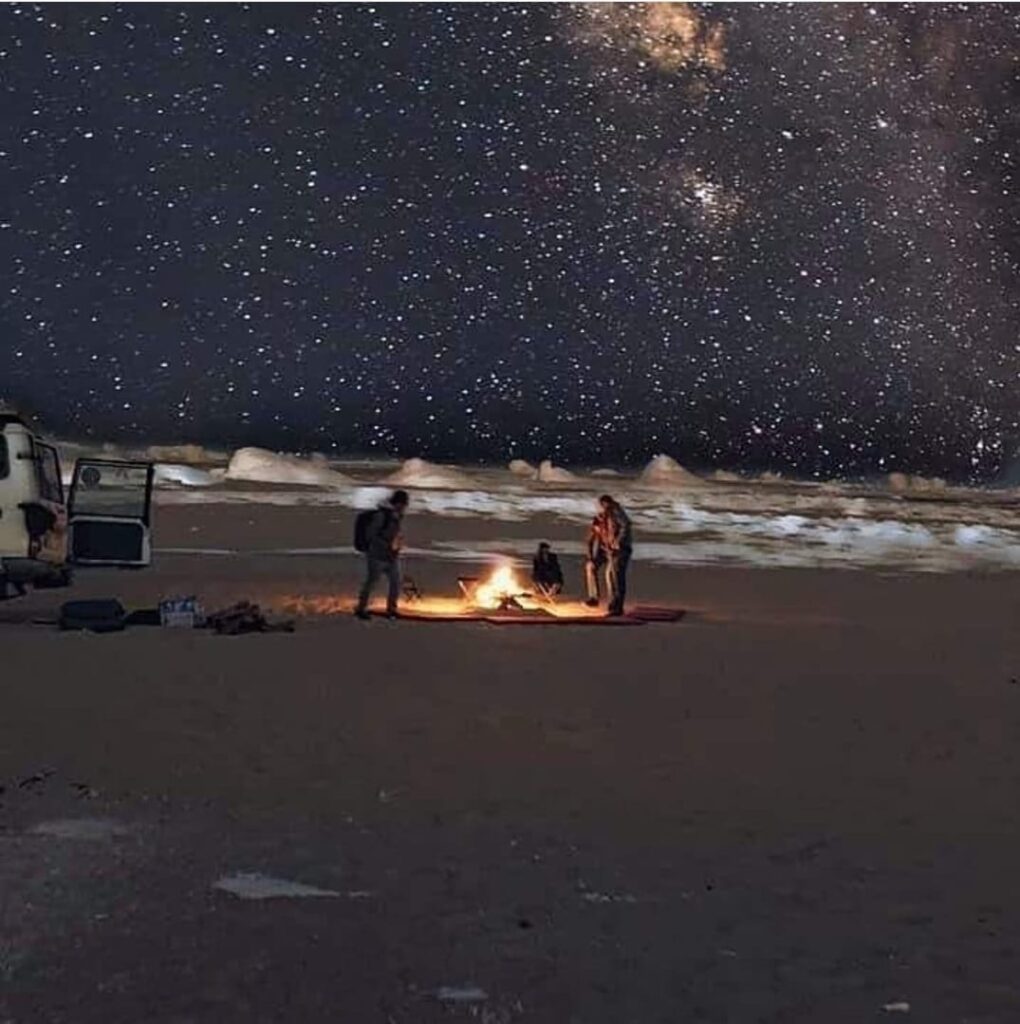
And suddenly the biggest attraction isn’t on the ground anymore.


It’s above you.


White Desert stargazing can be one of the most memorable parts of an overnight safari because the region places travelers far from the intense artificial lighting of Cairo and other large Egyptian cities.


On a clear, dark night with little moonlight, the sky can reveal far more stars than most urban travelers normally see, while the Milky Way can appear as a broad luminous band crossing the sky.


But there is an important catch:


Not every White Desert night offers the same stargazing conditions.


The Moon matters.

The season matters.

Cloud and dust matter.

Camp lighting matters.


And if your goal is specifically to photograph the bright central region of the Milky Way, the time of year and hour of night become even more important.


NASA’s skywatching guidance explains that dark skies away from city lights reveal far more stars, while bright moonlight creates skyglow that can hide faint objects such as the Milky Way. NASA recommends checking both Moon phase and Moonrise/Moonset when planning a stargazing trip.


That makes choosing your camping date almost as important as choosing the destination itself.


If you’re planning the complete destination first, read our White Desert Egypt Guide.


For the full overnight experience, explore our White Desert Overnight Tour from Cairo.

White Desert Stargazing at a Glance

Question

Quick Answer

Is the White Desert good for stargazing?

Yes, remote desert camps can provide very dark skies away from major cities

Best Moon phase for stars?

New Moon or when the Moon is below the horizon

Best for Milky Way?

Dark, clear nights with little moonlight

Best general camping season?

Cooler months are usually more comfortable

Can you see the Milky Way with your eyes?

Yes under sufficiently dark, clear conditions

Is a Full Moon bad?

For faint stars, yes; for illuminated desert landscapes, it can be beautiful

Need a telescope?

No

Best equipment for beginners?

Eyes, warm clothing and a red-light headlamp

Best camera equipment?

Tripod + fast wide-angle lens

Do you need to camp?

Not technically, but overnight camping gives the best experience

Main enemies of stargazing

Moonlight, artificial light, cloud, dust and haze

Why Is the White Desert Good for Stargazing?

Stargazing depends heavily on darkness.


In cities, artificial light is scattered through the atmosphere and produces skyglow.


That glow hides faint stars.


The stars haven’t disappeared.


Your sky has simply become too bright to see many of them.


DarkSky International explains that moving away from artificial light can transform the night sky, revealing stars and Milky Way structure invisible from bright urban environments.


NASA gives similar advice:


if you want to observe the Milky Way, travel somewhere dark and away from city lights.


This is where the White Desert has a natural advantage.


It lies deep within Egypt’s Western Desert, far from Cairo’s enormous concentration of artificial light.


Once your safari moves away from oasis settlements and established roads into remote camping areas, artificial illumination can become dramatically lower.


Turn off:


vehicle headlights,

tent lights,

phones,

and camp floodlights,

and the difference can be extraordinary.

Is the White Desert an Official Dark-Sky Reserve?

You may see websites describing the White Desert as:


“one of the darkest places on Earth”


or assigning it an exact Bortle Class 1 rating.


Be careful with those claims.


Dark-sky quality varies by exact location and atmospheric conditions, and an exact Bortle classification should ideally be supported by observations or measurements rather than assumed simply because a place is remote.


For travel planning, the more useful statement is:


The White Desert offers remote desert locations with very little nearby artificial lighting compared with major Egyptian cities.


That’s enough to produce excellent stargazing under the right conditions.


You don’t need a marketing superlative.


You need:


darkness,

clear air,

minimal moonlight,

and patience.

Can You See the Milky Way in Egypt's White Desert?

Yes.


Under a sufficiently dark sky, the Milky Way can be visible with the naked eye.


NASA describes the Milky Way from a dark location as a pale, cloudy band created by the combined light of huge numbers of distant stars, with the brightest region lying toward the direction of the galactic center.


Don’t expect it to look exactly like an edited astrophotography image.


That’s important.


Long-exposure cameras collect much more light than the human eye.


In photographs, the Milky Way may appear:


bright,

detailed,

colorful,

and extremely textured.


With your eyes, it generally looks more subtle:


a milky band,

bright star clouds,

dark gaps,

and dense sections of stars.


Give yourself time.


The longer your eyes remain in darkness, the more detail you’ll notice.

Milky Way vs Milky Way Core: They're Not Exactly the Same Thing

This distinction helps when planning your trip.


Our Solar System is inside the Milky Way.


The band we see across the night sky is our view through the galaxy’s disk.


But photographers often use the phrase “Milky Way season” when they actually mean the season when the bright galactic center region is conveniently visible.


That’s the spectacular dense region near Sagittarius and Scorpius that dominates many Milky Way photographs.


You can see parts of the Milky Way at different times of year.


But the bright galactic center has a seasonal viewing pattern.


NASA highlights the Milky Way’s bright central region near Sagittarius during Northern Hemisphere summer, while EarthSky notes that the thickest section becomes particularly convenient in evening skies from roughly June or July through about October.


That creates an interesting planning problem for White Desert travelers.

Best Time of Year for White Desert Milky Way Viewing

There are really two different “best times.”


Best Time for Comfortable Desert Camping


The cooler part of the year is generally more comfortable for a normal White Desert safari.


You can explore:


Black Desert,

Crystal Mountain,

Agabat,

and White Desert


during the day without the extreme heat associated with peak summer.


This is why many travelers prefer autumn through spring for Western Desert trips.

Best Time for Convenient Evening Milky Way Core Viewing

The bright galactic center is generally easier to observe during Northern Hemisphere summer and early autumn evenings.


NASA specifically identifies July dark-sky periods as excellent opportunities for viewing the bright Milky Way.


EarthSky similarly notes that the thickest part is easiest to see during evenings around June/July through October.


That means the two priorities don’t perfectly overlap.

The White Desert Milky Way Sweet Spot

For travelers who want:


comfortable desert conditions

and

convenient evening Milky Way viewing,


early autumn can be especially interesting, depending on the exact date and lunar cycle.


By late winter and spring, the galactic center can also become visible — but often later at night or toward predawn rather than immediately after dinner.


Exact rise, transit and set times change every night.


If Milky Way photography is a major reason for your trip, don’t choose the date using only a generic “best month” article.


Check:


your exact camping date,

Moon phase,

Moonrise,

Moonset,

Milky Way orientation,

and astronomical darkness

using a planetarium or astrophotography planning app before booking.

The Moon Matters More Than Most Travelers Realize

You could choose an incredibly remote desert site and still have disappointing Milky Way visibility.

Why?


A bright Full Moon.


NASA explains that moonlight produces skyglow similar to artificial light pollution and can hide faint stars and Milky Way detail.


DarkSky International therefore recommends planning Milky Way trips around the New Moon or periods when the Moon is below the horizon.


This is probably the single most useful stargazing planning rule in this article.

New Moon vs Full Moon in the White Desert

Both can be beautiful.


They’re simply beautiful for different reasons.


New Moon


Choose darker lunar conditions if your priority is:


Milky Way visibility,

faint stars,

meteor watching,

deep-sky observation,

or astrophotography.

The desert becomes much darker.

Chalk formations become silhouettes.

And the sky becomes the dominant visual element.


Full Moon


Choose a bright Moon if your priority is:


moonlit chalk formations,

night landscape photography,

walking around camp more easily,

or experiencing the White Desert glowing under natural moonlight.


But you’ll sacrifice many faint stars.


NASA notes that bright Moon phases make faint objects harder to see.

New Moon or Full Moon: Which Is Better?

Your Priority

Better Choice

Maximum stars

New Moon

Milky Way

New Moon / Moon below horizon

Meteor shower

Dark Moon

Deep-sky photography

New Moon

Chalk formations glowing at night

Bright Moon

Moon photography

Full or bright Moon

Romantic moonlit landscape

Bright Moon

Strongest dark-sky experience

New Moon

So don’t automatically ask:

“What is the best Moon phase?”

Ask:

“What do I actually want to see?”

You Don't Need to Camp Exactly on New Moon

Here’s a useful planning trick.


Moon phase isn’t the only thing that matters.


Moon rise and set times matter too.


NASA specifically recommends checking whether the Moon is actually above the horizon during your observing hours.


For example:


a bright Moon might set early,

giving you several dark hours afterward.

Or it might rise late,

allowing excellent stargazing before it appears.


That means you may still get fantastic night-sky conditions several days away from the exact New Moon date.

What Else Can Ruin Stargazing?

Darkness isn’t enough.


You also need atmospheric cooperation.


Clouds


Obvious enemy number one.


Even thin high cloud can reduce clarity and astrophotography contrast.


Dust


A major desert consideration.


Suspended dust scatters light and reduces transparency.


Haze


Even without obvious clouds, haze can weaken stars near the horizon.


Wind


Wind doesn’t necessarily ruin naked-eye astronomy, but it can make:


camping,

tripod photography,

and long exposures

much more difficult.


Artificial Camp Lighting


This one is completely avoidable.


One powerful white LED can wreck everyone’s dark adaptation.

How Long Does It Take Your Eyes to Adjust?

Don’t step out of a brightly lit 4×4, stare at the sky for 30 seconds and decide there aren’t enough stars.


Give your vision time.


Dark adaptation gradually increases your ability to see faint objects.


Avoid:


bright phone screens,

vehicle headlights,

white flashlights,

and strong tent lighting.


A dim red headlamp is much friendlier to night vision.


NASA’s Milky Way observing advice specifically recommends avoiding phone screens while your eyes adjust to darkness.


Try this:


turn everything off.

Sit quietly.

Wait.


The sky you see after twenty minutes may feel completely different from the one you saw during the first minute.

What Can You See Without a Telescope?

Quite a lot.


Depending on:


season,

time,

Moon,

weather,

and sky transparency,


you may see:


thousands of stars,

the Milky Way band,

bright planets,

constellations,

satellites,

meteors,

and potentially some brighter deep-sky objects.


You don’t need expensive astronomy equipment to enjoy the White Desert at night.


In fact, beginners often benefit from doing absolutely nothing.


Lie back.


Look up.


Learn a few constellations.


Follow the Milky Way.


Wait for meteors.


That’s enough.

Do You Need a Telescope?

No.


A telescope can be fun, but it’s not necessary for a memorable White Desert stargazing experience.


For first-time observers, I’d actually prioritize:


a dark sky,

comfortable seating,

warm clothing,

and enough time.


Binoculars can be a fantastic compromise.


They are:


lighter,

easier to travel with,

simpler to use,

and excellent for exploring dense star fields.


But if you’re bringing optical astronomy equipment into the desert, remember:


dust is not your telescope’s best friend.


Keep optics protected when not in use.

Best Constellations to Look For

The exact sky changes with season and hour.


But depending on your travel date, you may encounter recognizable patterns such as:


Orion,

Scorpius,

Sagittarius,

Cygnus,

Cassiopeia,

the Big Dipper,

and many others.


Don’t worry if you cannot identify everything.


Download an offline planetarium app before leaving Cairo or Bahariya.


Point it toward the sky.


Then — crucially — turn your screen brightness down and use red/night mode.


Your fellow stargazers will appreciate it.

Can You See Shooting Stars?

Yes.


Meteors occur on ordinary nights too.


During major meteor showers, activity can increase substantially.


Some famous annual showers include:


Quadrantids,

Perseids,

Orionids,

Leonids,

and Geminids.


But don’t assume that simply visiting during a meteor shower guarantees an extraordinary display.


Actual viewing quality depends on:


Moonlight,

shower peak timing,

cloud,

radiant position,

and local sky conditions.

For meteor watching, dark lunar conditions are especially valuable.

Milky Way or Meteor Shower: Which Should You Plan Around?

If your first priority is Milky Way photography:


plan around Milky Way position + Moon.


If your priority is a meteor shower:


plan around shower peak + Moon.


The ideal dates are not always identical.


A famous meteor shower under a Full Moon can be less impressive than an ordinary dark White Desert night.


Astronomy rewards people who check the calendar.

Why Overnight Camping Makes Such a Difference

Technically, you could watch stars for a while and leave.


But camping is much better.


Why?


Because you stop caring about time.


After dinner, you can stargaze.


Then go to sleep.


Wake again at midnight.


Look outside.


Wake before dawn.


Look again.


The sky changes continuously as Earth rotates.


A constellation low in the east at dinner may be high overhead several hours later.


And the Milky Way itself changes orientation throughout the night.


That’s why our White Desert Camping Guide and this stargazing guide complement each other rather than duplicate each other.

What Is a White Desert Night Actually Like?

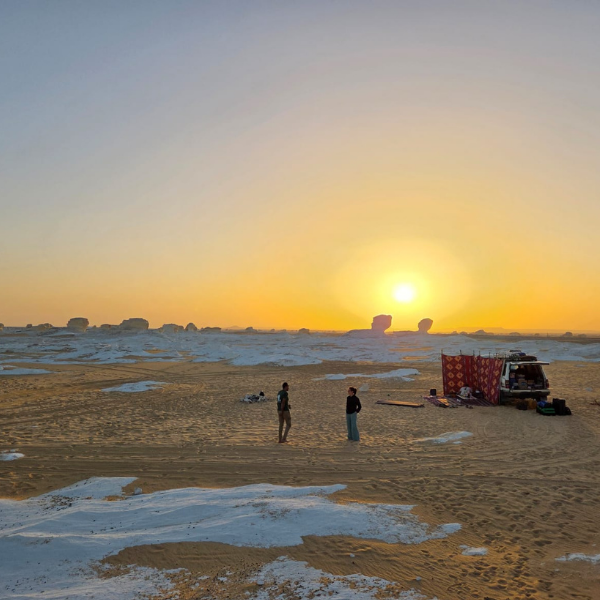
First comes sunset.


The chalk formations turn warmer.


Then twilight.


Color drains from the landscape.


Dinner begins.


Tea appears.


The first bright stars emerge.


Then more.


And more.


Once the final twilight fades and unnecessary lights are switched off, the desert can become exceptionally dark.


The soundscape changes too.


There is:


no Cairo traffic,

no hotel air-conditioning,

no street noise,

and often little except wind and the camp itself.


That’s part of stargazing.


Darkness isn’t only visual.


The entire environment slows down.

How Far Is the White Desert from Civilization?

Egypt’s official tourism portal places the White Desert around 40 km from Farafra and notes that excursions can range from one to ten nights depending on whether travelers want to camp, hike, explore by 4×4 or undertake longer desert experiences.


Many Cairo-based safaris approach the wider White Desert route through Bahariya and then continue through:


Black Desert,

Crystal Mountain,

Agabat Valley,

and other remote landscapes.


The more remote your approved campsite is from concentrated artificial lighting, the better the potential night-sky conditions.

White Desert vs Cairo for Stargazing

There’s almost no comparison.


Cairo is one of the world’s major cities.


Artificial lighting brightens the night sky significantly.


From the city, you can still see:


the Moon,

planets,

and brighter stars.


But many faint stars disappear into urban skyglow.


NASA explains that this is exactly why observers should move away from large city centers when trying to see the Milky Way.


The difference can be shocking if you’ve spent most of your life in cities.

White Desert vs Siwa for Stargazing

Both can provide excellent remote desert skies.


Siwa offers access to the Great Sand Sea, where travelers can move far from populated areas.


The White Desert offers a different visual advantage:


foregrounds.


Those chalk formations create spectacular astrophotography compositions.


So:


Siwa


Excellent for dunes + stars.


White Desert


Excellent for chalk formations + stars.


I wouldn’t choose between the destinations based purely on astronomy.


Choose based on the broader trip you want.

White Desert vs Fayoum for Stargazing

Fayoum is much closer to Cairo.


That’s its strength.


But proximity to populated parts of the Nile Valley means remote White Desert camps generally have a stronger natural advantage when the goal is maximum separation from major urban lighting.


Choose Fayoum if:


you need a short trip.


Choose White Desert if:


the night sky itself is one of your primary reasons for traveling.

White Desert Astrophotography: Beginner Setup

You don’t need a professional observatory.


A simple setup can produce excellent results.


Bring:


a camera with manual controls,

a sturdy tripod,

a wide-angle lens,

spare batteries,

memory cards,

and ideally a remote shutter or timer.


For night landscapes, a fast wide-angle lens is extremely useful.


Something in the approximate range of:


14–24 mm full-frame equivalent


with a wide aperture


works well for capturing both sky and desert.


But use whatever you already own.


Technique matters more than buying a new lens the week before your trip.

Starting Camera Settings for Milky Way Photography

There is no one perfect setting.


But a reasonable starting point might be:


Mode: Manual
Aperture: As wide as your lens performs well
Shutter: Roughly 10–20 seconds depending on focal length and resolution
ISO: Around 1600–6400 depending on camera
Focus: Manual, carefully focused near infinity
File: RAW
White Balance: Manual or adjusted later in RAW


Then test.


Zoom into stars.


If they’re becoming elongated:


shorten the shutter.


If the image is too dark:


increase ISO or open the aperture.


Modern high-resolution sensors can show star movement sooner than old “500 Rule” calculators suggest, so test your actual equipment instead of blindly following one formula.

How to Focus at Night

Autofocus often struggles in darkness.


Before the sky gets completely dark:


focus on a very distant object.


Or later:


use your camera’s live view,

magnify a bright star,

and manually adjust until the star becomes as small and sharp as possible.


Then switch autofocus off.


And don’t accidentally bump the focus ring.


Tape can help.

Use White Desert Formations as Foregrounds

This is what makes White Desert astrophotography special.


Don’t photograph only the sky.


Include:


Mushroom Rock,

chalk towers,

camp tents,

4×4 silhouettes,

or lone travelers.


Our Mushroom Rock White Desert Egypt Guide explains the famous chalk shapes in more detail.


A good night photograph needs a foreground just as much as it needs stars.

Don't Over-Light the Rocks

A common beginner mistake is attacking the foreground with an extremely bright flashlight.


The result often looks artificial.


Try:


natural starlight,

moonlight,

a very weak continuous light,

or subtle low-power light painting.


Also remember that you’re not alone.


Repeatedly firing a powerful flashlight across camp can ruin other travelers’ dark adaptation and long exposures.


Astrophotography etiquette matters.

New Moon Astrophotography vs Moonlit Photography

New Moon


Your foreground may become almost completely dark.


This is great for stars.


But the formations may require:


longer exposures,

subtle light painting,

or blending exposures.


Bright Moon


The Moon can naturally illuminate the chalk.


This can create stunning night landscapes.


But fewer faint stars will appear.


There’s no universal “better.”


There are two different artistic styles.

Can You Photograph the Milky Way with a Phone?

Modern flagship phones can produce surprisingly good night images.


Use:


Night Mode,

Astrophotography Mode if available,

a tripod,

and the longest supported exposure.


Keep the phone completely still.


Don’t expect professional-camera detail.


But you may be pleasantly surprised.


And if your phone photograph isn’t perfect?


Put it away.


Look at the actual sky.

Keep Batteries Warm

Desert nights can feel much colder than daytime conditions.


Cold reduces battery performance.


Carry spare batteries.


Keep them protected.


Photographers who spend several hours shooting long exposures will use power much faster than casual daytime travelers.


A power bank is useful for:


phones,

headlamps,

and USB-chargeable camera equipment.

What Should You Wear for Stargazing?

More than you think.


Standing still at night feels colder than walking around during the day.


Bring:


warm layers,

long trousers,

closed shoes,

a jacket,

and seasonal insulation.


Even if the afternoon felt warm.


You’re not packing only for the thermometer.


You’re packing for several hours sitting relatively still in an exposed desert environment.


Our White Desert Packing Guide covers the full trip.

Essential Stargazing Packing List

For casual observers:


  • warm layers;
  • red-light headlamp;
  • reclining chair or blanket if provided;
  • reusable water bottle;
  • power bank;
  • offline star map/app;
  • binoculars if desired.

For photographers:


  • camera;
  • tripod;
  • fast wide-angle lens;
  • spare batteries;
  • memory cards;
  • remote shutter;
  • lens cloth;
  • dust protection;
  • power bank;
  • optional intervalometer.

What Not to Bring

You can leave the giant white camping lantern on its brightest setting.


Please.


Strong artificial light is one of the easiest ways to ruin a dark-sky camp.


Use light only when needed.


Point it downward.


Use warm or red settings.


And turn it off afterwards.


DarkSky International encourages campers to minimize unnecessary artificial light when enjoying dark-sky locations.

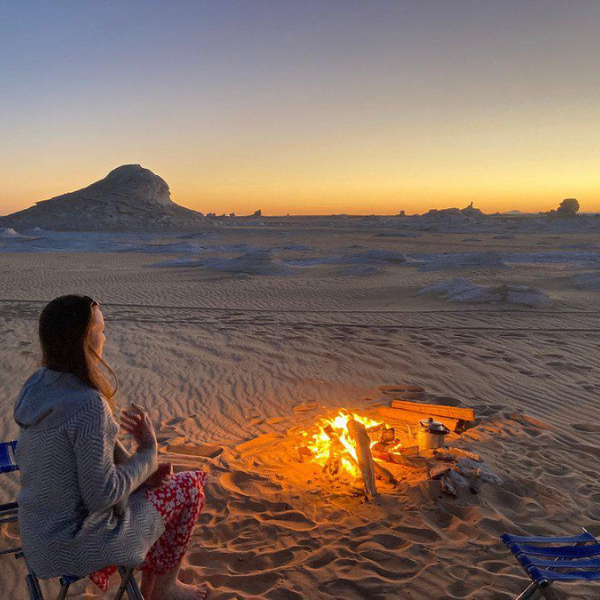
Campfire vs Stargazing

Campfires look beautiful.


They also produce light.


That doesn’t mean you can’t have one.


Enjoy dinner.


Enjoy tea.


Enjoy the fire.


Then, when serious stargazing begins, allowing the camp to become darker will improve your vision dramatically.


This is another reason not to judge the sky immediately after dinner.


Your eyes have spent an hour looking into bright flames.


Give them time.

Is the Full Moon Worth Experiencing Anyway?

Absolutely.


A Full Moon over the White Desert can be spectacular.


The pale chalk reflects moonlight beautifully.


You may be able to see formations across the landscape without artificial illumination.


Shadows appear across the ground.


The desert can feel almost snow-covered.


You’ll see fewer faint stars.


But you gain an entirely different night landscape.


So if you’ve already booked during a Full Moon:


don’t panic.


You’re not getting a worse trip.


You’re getting a different trip.

Is Winter Better for Stargazing?

For travel comfort, winter and the broader cooler season can be excellent.


But don’t confuse:


comfortable stargazing


with


best Milky Way core timing.


The bright galactic center isn’t at its most convenient in winter evenings.


Winter skies instead offer their own spectacular constellations and bright stars.


If your goal is simply:


“a breathtaking star-filled sky,”


winter can be fantastic.


If your specific goal is:


“a photograph of the Milky Way core behind Mushroom Rock,”


date planning becomes much more precise.

What Is Better: 2 Days or 3 Days for Stargazing?

2 Days / 1 Night


Enough for:


sunset,

camping,

several hours of stars,

and sunrise.

This is the classic format.


Explore our White Desert Overnight Tour from Cairo.


3 Days / 2 Nights


Better for serious night-sky travelers.


Why?


Two nights double your opportunity.


If:


Night 1 has dust,

cloud,

or strong wind,

Night 2 may be better.


You also gain additional locations and compositions.


Explore our White Desert 3 Days Tour from Cairo.


For the broader comparison, read 2-Day vs 3-Day White Desert Tour.

Can You Choose Your Campsite for Stargazing?

Not completely.


The White Desert is a protected landscape.


Current:


permits,

access rules,

environmental requirements,

and local conditions

matter.


Egypt’s official tourism portal tells visitors to check current regulations and permits through an authorized guide or travel agency before desert excursions.


As of October 2026, UK travel guidance also states that tourists entering Bahariya Oasis, Farafra, the White Desert and Black Desert must obtain permits in advance and use an official guide.


So don’t ask your driver to simply:


“go farther into the desert until there are no lights.”


Approved access comes first.

Is White Desert Stargazing Safe?

Stargazing itself isn’t physically difficult.


The challenge is the location.


You are in remote desert terrain where:


phone reception may be limited,

medical facilities are limited,

temperatures change after dark,

and wandering away from camp can create unnecessary risk.


Current FCDO guidance specifically notes limited phone reception and medical facilities in Western Desert areas including Bahariya, Farafra and the White Desert.


Stay near your group.


Tell your guide before walking away to photograph.


Carry a light.


And remember:


the landscape becomes much harder to navigate once everything turns into silhouettes.

Don't Wander Alone for the Perfect Photograph

This deserves its own section.


At night, a chalk formation that seemed obvious during daylight can become almost invisible.


Tracks disappear.


Distances become difficult to judge.


And photographers are particularly good at walking farther than they realize because:


“that foreground looks better over there.”


Coordinate with your guide.


Don’t disappear into the darkness with a tripod without telling anyone.


No photograph is worth turning camp into a search party.

Protect the Night Environment

Good stargazing and responsible tourism fit together naturally.


Reduce unnecessary lighting.


Keep noise reasonable.


Don’t leave batteries or waste.


Don’t damage formations while positioning cameras.


Don’t drive somewhere unofficial just because an app shows darker sky.


And don’t treat the White Desert as an empty piece of land with no rules.


It is a protected natural environment.

Sample White Desert Stargazing Itinerary from Cairo

Day 1 — Cairo to Bahariya Oasis

Leave Cairo early.


Travel southwest into the Western Desert.


Reach Bahariya.


Lunch and safari preparation.


Continue by appropriate desert vehicle.


Black Desert

Explore the dramatic dark hills.


This contrast becomes especially interesting once you later reach the pale White Desert.


Read our Black Desert Egypt Guide.


Crystal Mountain

Stop at one of the route’s most unusual geological features.


Read our Crystal Mountain Egypt Guide.


Agabat Valley

Continue through enormous pale cliffs and golden sand.


Read our Agabat Valley Egypt Guide.

White Desert Sunset

Reach the White Desert before or around the late-afternoon light depending on itinerary.


Photograph chalk formations.


Watch colors change.


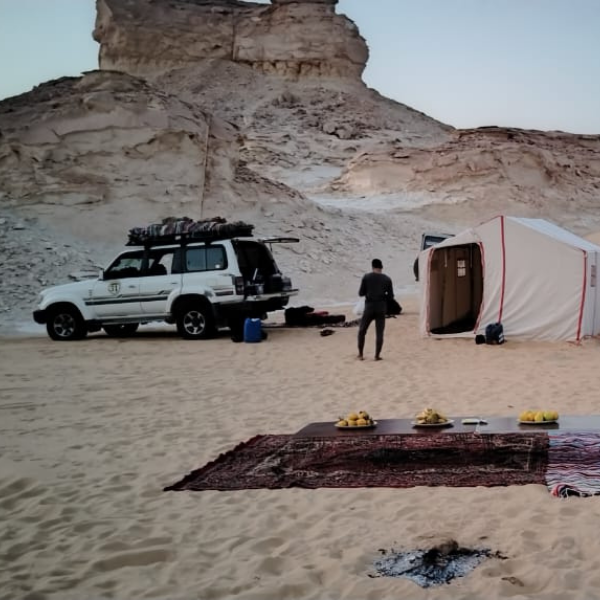
Camp


Dinner.


Tea.


Campfire.


Then:


lights off.


Stargazing Session 1

Start after astronomical darkness.


Let your eyes adapt.


Observe stars and constellations.


Photograph the night sky.


Stargazing Session 2

If astronomy really matters:


set an alarm for later.


The sky will have rotated.


The Moon may have set.


The Milky Way may have moved into a better position.


This second session can be dramatically better than the first.

Day 2 — Sunrise

Wake before sunrise.


Watch first light hit the chalk formations.


Breakfast.


Explore additional White Desert areas.


Return through Bahariya toward Cairo.


One night.


Two skies:


stars


and sunrise.

How to Choose the Best White Desert Stargazing Date

Before booking, check five things.


  1. Moon Phase

New Moon or darker lunar conditions for faint stars.


  1. Moonrise and Moonset

Often more useful than phase alone.


  1. Milky Way Position

Essential if galactic-core photography matters.


  1. Weather

Cloud, wind and dust.


  1. Travel Conditions

Permits, route access and appropriate guiding.


If all five line up?


You may have an exceptional night.

Should You Book Around the Moon?

If stargazing is merely a nice bonus:


probably not necessary.


Book the trip when it fits your Egypt itinerary.


But if your primary goal is:


Milky Way photography,

meteor observation,

or deep-sky viewing,

then yes.


The lunar calendar deserves serious consideration.


DarkSky’s own camping guidance puts New Moon timing alongside location and weather as one of the core elements of dark-sky planning.

Is White Desert Stargazing Worth the Overnight Stay?

Yes — especially if you’ve never experienced a genuinely dark rural or desert sky before.


The White Desert already looks unusual during daylight.


At night, the entire sense of scale changes.


A mushroom-shaped chalk rock becomes a black silhouette.


The horizon disappears.


Stars become more obvious.


The Milky Way may stretch through the sky.


A satellite moves silently overhead.


Maybe a meteor flashes for less than a second.


And suddenly the campfire seems tiny.


That’s the part photographs struggle to communicate.


Not because cameras can’t capture the stars.


They can.


But because the experience isn’t only about how the sky looks.


It’s about realizing how much sky city light normally hides.

Plan Your White Desert Stargazing Trip

For the strongest stargazing experience, remember four rules:


Get away from artificial light.


NASA identifies darkness as one of the most important requirements for Milky Way visibility.


Pay attention to the Moon.


A bright Moon can dramatically reduce faint-star visibility.


Check the season and time.


The Milky Way’s bright central region changes position throughout the year.


Stay overnight.


Because the best sky may not happen immediately after dinner.


The White Desert isn’t only about chalk formations.


It’s about what happens when those formations disappear into darkness and the universe above them takes over.


For the classic experience, explore our White Desert Overnight Tour from Cairo.


For two nights and better astronomical flexibility, see the White Desert 3 Days Tour from Cairo.


For broader safari options, browse Egypt Desert Safari Packages or all Egypt Desert Dunes Tours.

- Tours Carousel
✓ Available on Viator

Book Egypt Desert Dunes Tours on Viator

Discover our private White Desert camping adventures and Siwa Oasis experience. Choose your favorite itinerary and complete your reservation securely through Viator.

✓ Private Tours
✓ Cairo Pickup
✓ Mobile Ticket
✓ English Speaking Team
✓ Book Through Viator
4-Day Private White Desert Camping Tour from Cairo by Egypt Desert Dunes
✓ Book on Viator
Private Tour
White Desert • Bahariya Oasis • Egypt
⏱ 4 Days / 3 Nights ★ 5.0 (4 Reviews)

4-Day Private Camping Tour in the White Desert from Cairo

Go deeper into Egypt's Western Desert with a private four-day camping adventure including spectacular desert landscapes, Black Desert, White Desert, open-air meals and three nights beneath the stars.

Cairo Pickup Private Tour Desert Camping Meals Included
Reference price from
€588 / person*
Check Viator for today's live price
View on Viator →
2-Day 1-Night White Desert Camping Tour from Cairo by Egypt Desert Dunes
✓ Book on Viator
Best Short Trip
White Desert • Black Desert • Egypt
⏱ 2 Days / 1 Night ★ 5.0 (3 Reviews)

2-Day, 1-Night Camping Tour in White Desert from Cairo

Our most compact White Desert adventure for travelers who want to experience the desert from Cairo, explore its unique landscapes and spend an unforgettable night camping beneath the stars.

1 Night Camping Cairo Pickup Breakfast Lunch & Dinner
Reference price from
€197 / person*
Price varies by date and group size
View on Viator →
3-Day Private White Desert Camping Tour from Cairo by Egypt Desert Dunes
✓ Book on Viator
Popular Choice
Black Desert • Aqabat • White Desert
⏱ 3 Days / 2 Nights ★ 5.0 (5 Reviews)

3-Day Private Camping Tour of White Desert from Cairo

Spend three days exploring the Western Desert, including the Black Desert, Crystal Mountain, Aqabat area and White Desert, with two nights of private desert camping.

2 Nights Camping Black Desert White Desert Private Experience
Reference price from
€394 / person*
Check Viator for today's live price
View on Viator →
4-Day Siwa Oasis Trip from Cairo by Egypt Desert Dunes
✓ Book on Viator
Siwa Experience
Siwa Oasis • Western Desert • Egypt
⏱ 4 Days Egypt Desert Dunes • 14 Operator Reviews

Siwa Oasis Trip with Cairo Pick Up

Travel from Cairo to legendary Siwa Oasis on a private four-day journey exploring Siwan culture, desert landscapes, Lake Siwa, traditional sites and some of the oasis's most distinctive attractions.

4 Days Cairo Pickup Siwa Hotel Meals Included
Reference price from
$1,150 / adult*
Check Viator for today's live price
View on Viator →
*Important: Prices shown above are reference “from” prices observed while reviewing the listings and may change based on travel date, number of travelers, availability, currency and Viator pricing. Click “View on Viator” for the current final price before booking.

Explore Egypt's Desert with Egypt Desert Dunes

From a one-night White Desert camping adventure to extended Western Desert and Siwa Oasis experiences, choose the itinerary that matches your travel style and complete your booking through Viator.

Explore Our Tours →
Plan Your Desert Adventure

Book a Tour or Create Your Own Egypt Experience

Choose one of our ready-made tours or customize your own private journey. Select your destinations, duration and travel style, then send your request directly to Egypt Desert Dunes on WhatsApp.

Book Your Desert Tour

Select your preferred itinerary and send us your travel details. Our team will reply on WhatsApp with availability and the final quote.

Choose Your Tour *
Please select a tour and complete your name, travel date and number of travelers.
Your booking request will open directly in WhatsApp. No payment is made through this form.

Create Your Own Private Egypt Tour

Combine Cairo, Giza, Fayoum, the Western Desert and Siwa in one custom itinerary. Choose the destinations and experiences you want and our team will recommend the best route based on your available days.

Which Places Would You Like to Visit? *
Select as many destinations as you like. Egypt Desert Dunes will recommend the best route according to your trip duration.
What Are You Most Interested In?
Please enter your name, number of travelers, trip duration and select at least one destination.
Egypt Desert Dunes will review your selections and send you a customized itinerary and quotation on WhatsApp.

FAQ — White Desert Stargazing

Is the White Desert good for stargazing? +

Yes. Remote White Desert camping locations can provide very dark conditions away from major cities, making them excellent for observing stars and potentially the Milky Way when weather and Moon conditions are favorable.

Can you see the Milky Way from the White Desert? +

Yes. The Milky Way can be visible with the naked eye from sufficiently dark locations. Visibility of its brightest central region depends on the season, time of night, Moon phase and atmospheric conditions.

What is the best Moon phase for White Desert stargazing? +

A New Moon or a period when the Moon is below the horizon generally provides the darkest sky and best visibility of faint stars and the Milky Way.

Is a Full Moon bad for White Desert stargazing? +

A Full Moon reduces visibility of faint stars, but it can beautifully illuminate the White Desert's chalk formations. Full Moon nights are better for moonlit landscapes than for maximum Milky Way visibility.

What is the best time of year to see the Milky Way in Egypt? +

The bright galactic-center region is especially convenient during Northern Hemisphere summer and early-autumn evenings. During other seasons it may be visible later at night or before dawn. Exact timing should be checked for your travel date.

Is winter good for White Desert stargazing? +

Yes. Winter can provide comfortable desert travel conditions and beautiful star-filled skies, although the bright Milky Way core is not as conveniently positioned during winter evenings as it is during summer.

Do I need a telescope in the White Desert? +

No. Many stars, constellations and the Milky Way can be enjoyed with the naked eye under favorable dark-sky conditions. Binoculars or telescopes are optional.

Do I need to camp overnight for stargazing? +

Camping isn't technically required, but an overnight safari provides far more time under dark skies and allows you to observe how the sky changes throughout the night.

Is a 2-day White Desert safari enough for stargazing? +

Yes. A two-day and one-night trip provides the classic sunset, camping, stargazing and sunrise experience.

Is a 3-day White Desert trip better for astrophotography? +

It can be. Two camping nights provide more time, more potential foregrounds and an additional chance if one night has poor cloud, dust or wind conditions.

What camera settings should I use for Milky Way photography? +

A common starting point is a wide aperture, roughly 10–20 second exposure and ISO around 1600–6400, but settings depend on your camera, lens, focal length and sky brightness. Always test for sharp stars rather than following one fixed formula.

Can you photograph the Milky Way with a phone? +

Many modern smartphones can capture stars and parts of the Milky Way using Night or Astrophotography modes when mounted securely on a tripod.

What should I bring for White Desert stargazing? +

Bring warm layers, closed shoes, a red-light headlamp, water, a power bank and optional binoculars. Photographers should add a tripod, wide-angle lens, spare batteries and dust protection.

Does moonlight affect the Milky Way? +

Yes. Bright moonlight increases sky brightness and makes faint stars and Milky Way structure harder to see.

How long should I let my eyes adjust to darkness? +

Give yourself time in darkness and avoid bright phone screens, white lights and vehicle headlights. Your ability to detect faint stars improves significantly as your eyes adapt.

Are there meteor showers visible from the White Desert? +

Meteor showers can be visible from Egypt when their timing, radiant position, weather and Moon conditions are favorable. Dark desert skies can improve visibility compared with light-polluted cities.

Is White Desert stargazing safe? +

It can be enjoyed safely with an experienced authorized guide, but the White Desert is remote. Stay near camp, avoid wandering alone at night and follow current permit and travel guidance.

Traveler Reviews

What Our Guests Say on Tripadvisor

Real experiences from travelers who explored Egypt’s deserts, oases, and cultural landmarks with Egypt Desert Dunes. Read their Tripadvisor reviews and discover why guests choose us for private desert safaris, camping adventures, and unforgettable Egypt tours.

Posted on Tripadvisor Tripadvisor
Inesamaral profile picture
Inesamaral
Tripadvisor star 1Tripadvisor star 2Tripadvisor star 3Tripadvisor star 4Tripadvisor star 5Verified
Magical moments in the White Desert The White Desert tour was one of our favourite moments in Egypt. The sunset and sunrise surrounded by a lunar landscape were absolutely incredible. Mohammed was very responsive, since the beginning and he adapted the tour to all our needs. The food was delicious, we had the opportunity of having some sort of showers during the trip and the pace of the tour was really good too. He kindly helped us sort some further travel plans with a trustworthy agency in Luxor. I can definitely recommend Mohammed, who is Bedouin, and his small team for your adventure in the desert, you just need to relax and enjoy. On a final note, we were two female travellers and always felt safe and comfortable. Thank you for everything!
Posted on Tripadvisor Tripadvisor
Cladeh profile picture
Cladeh
Tripadvisor star 1Tripadvisor star 2Tripadvisor star 3Tripadvisor star 4Tripadvisor star 5Verified
Amazing Desert Dunes Adventure 🏜️ Our two-day adventure to the Western Desert with Egypt Desert Dunes was an amazing experience, that I can safely recommend to anyone! Cairo pick-up was directly from hotel, and transport was in a very modern and comfortable car. Enough breaks at (not overpriced!) gas stations. Lunch at Bahariya was in a guesthouse-like space that we shared with a few other small groups. I personally wished for a more private and "local" lunch experience, but that's minor detail. Food was tasty and they asked if we wanted more! Eventually we changed to a jeep and headed to the desert where we saw many amazing sights. There were two guides - the "main guy" who came from Cairo with us and a local driver. They were mainly chatting with each other in the front of the car, which was okay for us. The guides let us explore and take pictures independently. I would've wished that they'd tell us more about each sight without asking, but they were always happy to answer our questions! Camping at the desert was simply awesome! We shared the camp with another small group of young travellers like ourselves and made friends with them. The guides set up everything very nicely for us while we got to explore the area and chill at the bonfire in the meantime. Dinner at the desert camp, or "Restaurant White Desert" as they called it, was fantastic! Grilled chicken over bonfire was some of the best meal I ate in my 3 weeks in Egypt! Some programme at the camp would've been nice, but it was also okay to just chill. I forgot his name, but our guide told that the big tent was reserved for his customers only (us), so if we want to stay there instead of the other group, we can. We were happy to sleep in the smaller tents instead, but appreciate the gesture. Everything was handled very professionally and the guides were super friendly and helpful! P. S. I STRONGLY recommend sleeping under the stars. You won't get much colder than in the tent, and the starry sky at late night and sunrise in early morning when you open your eyes is stunning! It's sooo worth it! The blankets, mattresses and sleeping bags are really warm and comfy. Book with Egypt Desert Dunes and you won't regret it 😎
Posted on Tripadvisor Tripadvisor
Simon C profile picture
Simon C
Tripadvisor star 1Tripadvisor star 2Tripadvisor star 3Tripadvisor star 4Tripadvisor star 5Verified
Top egyptian desert adventure Absolutely incredible adventure with Mohamed ! Good food, unreal landscape and true egyptian vibe !! We really enjoyed it and definitly recommend.
Posted on Tripadvisor Tripadvisor
Meyes profile picture
Meyes
Tripadvisor star 1Tripadvisor star 2Tripadvisor star 3Tripadvisor star 4Tripadvisor star 5Verified
Séjour parfait ! Séjour au top, Mohamed est très amical et connaît parfaitement la région. Nous avons passé un très agréable séjour privé en couple. Nous avons beaucoup apprécié (et rigolé 🤣) merci encore 👌
Posted on Tripadvisor Tripadvisor
Laia profile picture
Laia
Tripadvisor star 1Tripadvisor star 2Tripadvisor star 3Tripadvisor star 4Tripadvisor star 5Verified
Brutal! Espectacular experiencia en el desierto blanco! No solo por lo maravilloso que es el lugar sino por lo bien cuidada que me he sentido, los chicos son divertidos y atentos. Estoy segura que repetiré! Enamoran!🥰
Posted on Tripadvisor Tripadvisor
Helen Casanovas profile picture
Helen Casanovas
Tripadvisor star 1Tripadvisor star 2Tripadvisor star 3Tripadvisor star 4Tripadvisor star 5Verified
Mágica aventura en el fascinante Desierto Blanco Hemos vivido una maravillosa experiencia en todoterreno por el mágico Desierto Blanco. Una experiencia única con expertos y profesionales que conocen palmo a palmo este desierto, cuyos variados y cambiantes paisajes te dejan sin palabras. Son pacientes, te cuidan y cocinan una comida sabrosa increíble. Disfruta del silencio de las noches estrelladas alrededor del fuego. ¡Una experiencia que recomiendo 100%!
Posted on Tripadvisor Tripadvisor
GemasTravelSecrets profile picture
GemasTravelSecrets
Tripadvisor star 1Tripadvisor star 2Tripadvisor star 3Tripadvisor star 4Tripadvisor star 5Verified
A LIFETIME ADVENTURE with Real Desert Experts Look no further! Egypt Desert Dunes are the REAL DEAL. They’ll take you to an UNFORGETTABLE ever changing off-road experience in the White Desert. It’s ran by EXPERT Beduins who know and respect nature. They’ll stop at all the best spots for you. They are patient, work super hard to please you & cook amazing tasty food. Sshhh…Be amazed by probably the best dates in the world, which grow in their oasis. Stay at least three days in the desert to appreciate the multiple magical landscapes and enjoy the stary nights around the fire. Book with Mohammed NOW!
Posted on Tripadvisor Tripadvisor
na_ni_022018 profile picture
na_ni_022018
Tripadvisor star 1Tripadvisor star 2Tripadvisor star 3Tripadvisor star 4Tripadvisor star 5Verified
Magical desert adventure! A magical three days! Mustafa and Ahmed are not just skilled guides, they are the most thoughtful and kind people. While we packed a lot of activity into three days, we never once felt rushed or frantic. Everything was beautifully paced. They picked the most amazing spots for us to explore and to sleep under the stars. They know the desert and how to navigate it. Mustafa and Ahmed had everything we might have needed: snacks, water, sleeping bags, extra blankets. We had what was one of our most memorable and delicious meals, cooked by our guides on a camp stove. This followed by music and dancing around a campfire and under a nearly full moon. Then a deep, peaceful sleep in the cozy tent they set up for us. This is no out-of-the-box tour. Guides will cater to your needs (e.g., delicious vegetarian meals), abilities, and interests. We would do this again without hesitation and probably for longer than three days next time. Book a trip with Egypt Desert Dunes -- you will be happy you did!
Posted on Tripadvisor Tripadvisor
Sarah profile picture
Sarah
Tripadvisor star 1Tripadvisor star 2Tripadvisor star 3Tripadvisor star 4Tripadvisor star 5Verified
Incredible and amazing experience - A must do! What a great experience! We will never forget this. Two nights and three days in the desert. So much to see with the terrain changing from the black desert through to the white desert with stops at the crystal mountain (my favourite!), the Karaween dunes for sandboarding (my kids favorite), the magic springs (and seeing the remains of a Roman soldier we think!) and many other sights. Excellent driving, relaxing times, wide open spaces, starry nights, campfire chats and the best was the Bedouin-style tent and camping equipment. We were very comfortable and cosy. Our guides Mustafa and Hany catered to our needs so graciously and kindly and cooked wonderfully tasty meals for us! Even a little fox came to get some of the barbecue chicken! Highly recommend this a once in a lifetime opportunity! We hope to do another trip soon as so much to see still and experience. Thank you Mustafa and Hany for the amazing trip!
Posted on Tripadvisor Tripadvisor
Lauren profile picture
Lauren
Tripadvisor star 1Tripadvisor star 2Tripadvisor star 3Tripadvisor star 4Tripadvisor star 5Verified
Unbelievable experience We LOVED our adventure with Egypt Desert Dunes. They communicate everything very clearly so you know where you are going, what you will be doing, and all of the logistics. They also take care of everything - our driver from Cairo to the desert was wonderful and the car was comfortable and clean and then we had lunch and changed to our 4wd car with our two hosts and started the adventure. They brought plenty of snacks, water, and had a ton of information to share with us about the desert. Our camp set up was amazing. Again, our guides took car of everything - cooking dinner, setting up the tents, cooking breakfast and then taking down the tents for the journey home. The camping was very comfortable and the desert is so peaceful. I would absolutely recommend Egypt Desert Dunes to anyone looking to visit the white and black desert. They have other tours to Siwa as well. We will definitely meet our guides again!

Leave a Comment

Your email address will not be published. Required fields are marked *