White Desert Wildlife: Desert Foxes, Birds & Animals You May See

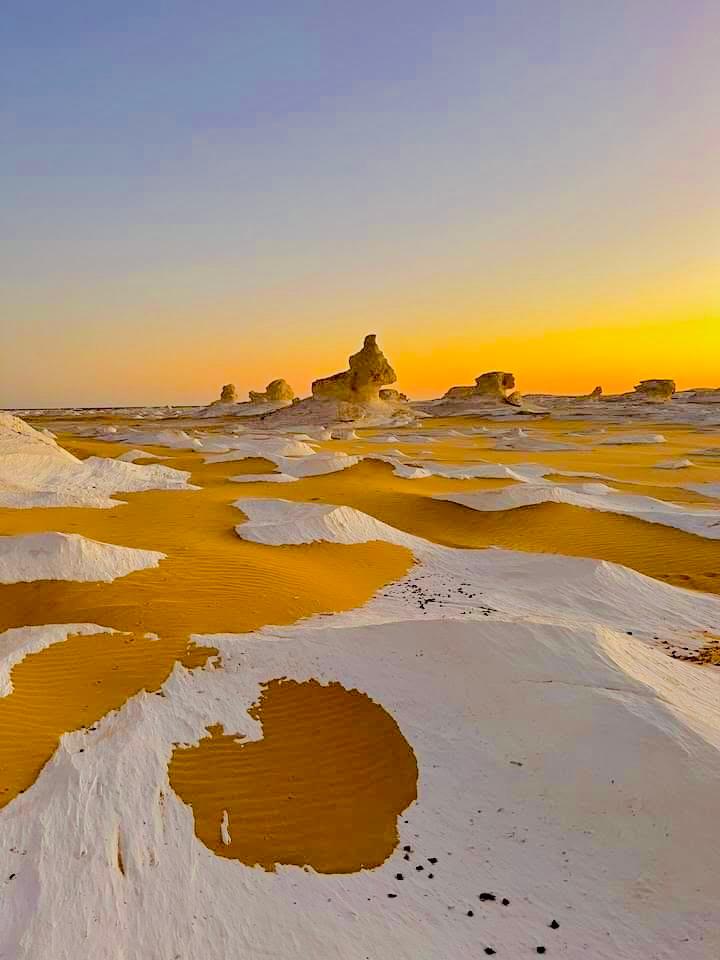
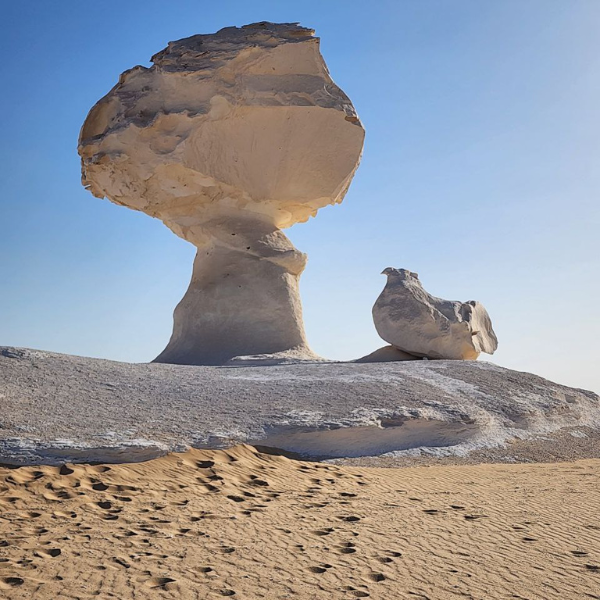
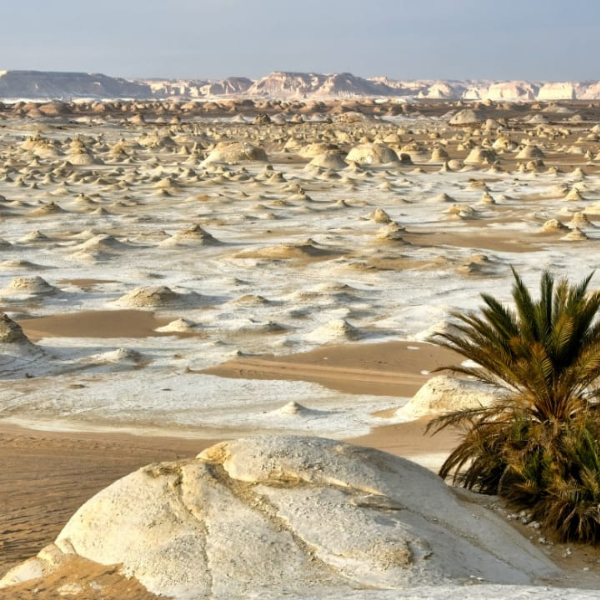
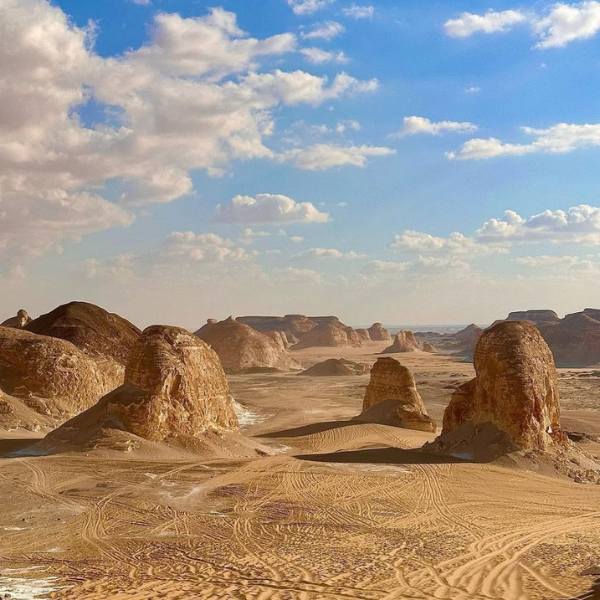
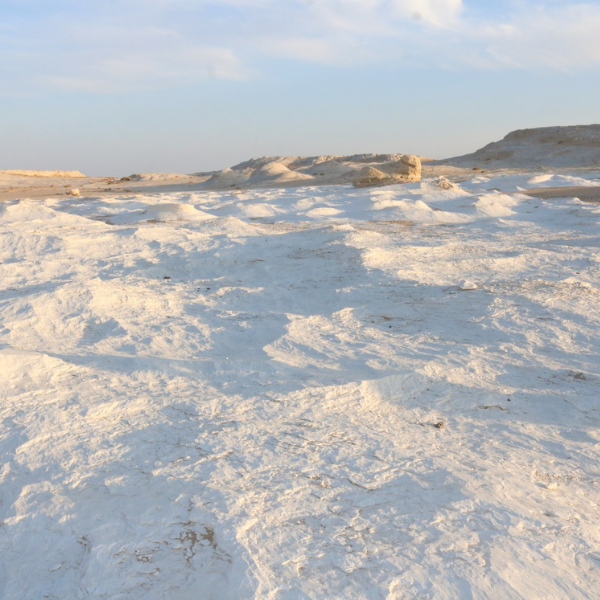
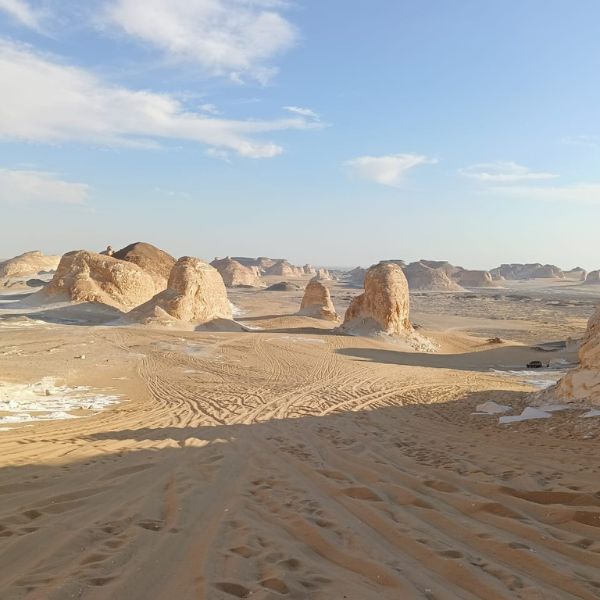
At first glance, Egypt’s White Desert can look almost lifeless.


There are no forests.


No rivers cutting through the chalk formations.


No large herds moving across the horizon.


In some places, there may not even appear to be much vegetation.


But look more carefully.


A line of tiny tracks crosses the sand near camp.

A fox appears briefly after sunset.

A raven moves between the rocks.

A lizard disappears into a crack.

A bird of prey circles above a cliff.

And suddenly the desert doesn’t feel empty at all.


The White Desert wildlife experience is very different from a classic African safari.


You shouldn’t expect lions beside the road or hundreds of grazing animals.


Instead, wildlife here is adapted to one of the harshest environments in Egypt.


Many species are:


nocturnal,

secretive,

widely dispersed,

highly camouflaged,

or active mainly during cooler hours.


That means seeing wildlife in the White Desert often requires a different mindset.


You don’t simply look for animals.


You look for evidence of life.


Tracks.

Burrows.

Feathers.

Calls.

Movement around camp after dark.

Birds near cliffs.


And occasionally, if you’re lucky, a memorable encounter with a desert fox.


Egypt’s official environmental authorities describe the White Desert Protected Area as an important refuge for Saharan wildlife and specifically identify rare gazelles among its conservation priorities.


The White Desert’s remarkable karst landscape also provides nesting habitat for the Sooty Falcon, a migratory bird of prey that has been studied inside the protected area.


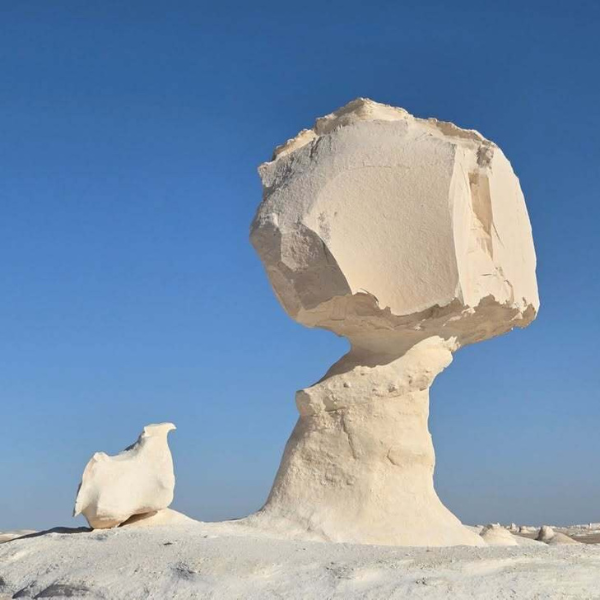
So while most visitors come for the chalk formations, the White Desert is also a functioning desert ecosystem.


For the bigger destination picture, start with our White Desert Egypt Guide.


And to understand why this ecosystem is protected, read our White Desert National Park Egypt Guide.

- Tours Carousel

White Desert Wildlife at a Glance

Wildlife

Recorded / Possible?

Realistic Tourist Sighting?

Desert foxes

Yes

One of the more realistic mammal encounters

Rüppell’s fox

Documented in the White Desert

Possible, especially around quiet nighttime areas

Fennec fox

Reported from the wider White Desert region

Possible but not guaranteed

Dorcas gazelle

Officially recorded

Uncommon / difficult

Slender-horned gazelle

Conservation significance in the protected area

Very rare to encounter

Sooty Falcon

Scientifically documented breeding species

Possible seasonally

Ravens & desert birds

Yes

More realistic than large mammals

Small rodents

Part of the desert ecosystem

More active at night

Lizards / reptiles

Present in desert habitats

Possible

Snakes

Possible in Western Desert ecosystems

Usually avoided rather than sought

Scorpions / insects

Desert invertebrates occur

Possible, especially after dark

Sand cat

Associated with Egypt’s desert ecosystems

Exceptionally difficult to see

The most important word in that table is:


possible.


A protected-area record does not equal a guaranteed tourist sighting.

Is There Really Wildlife in the White Desert?

Yes.


The White Desert is not biologically empty.


Its protected landscape contains a combination of:


open desert,

sand dunes,

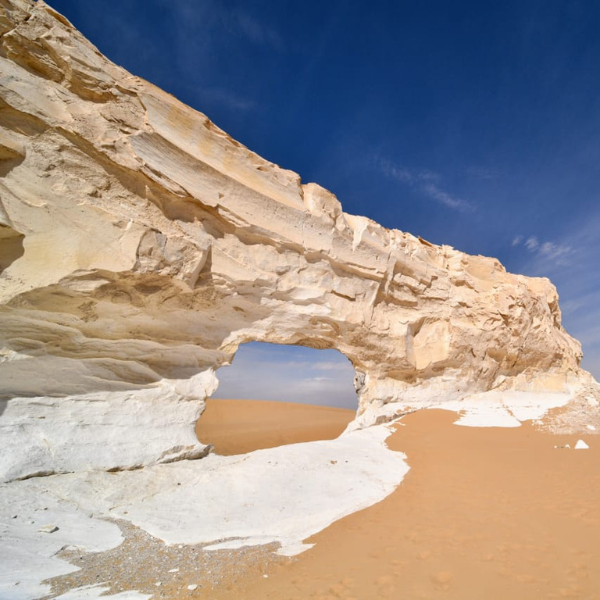
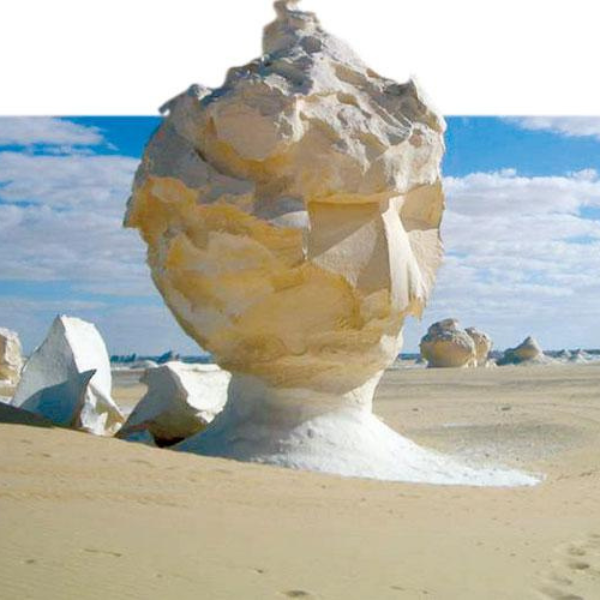
chalk formations,

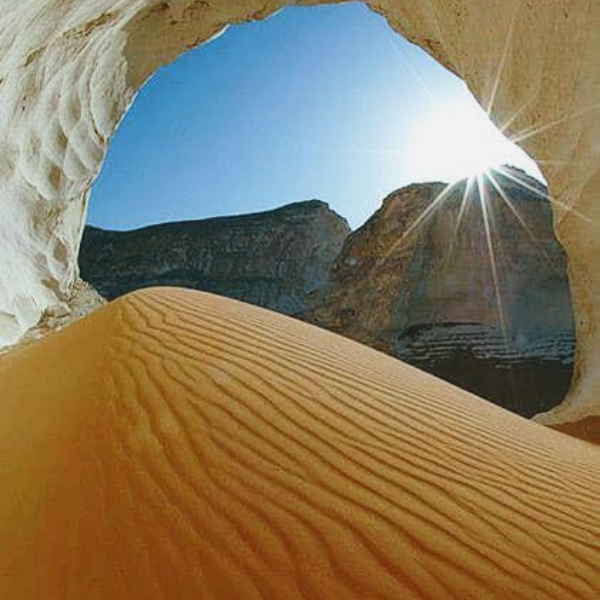
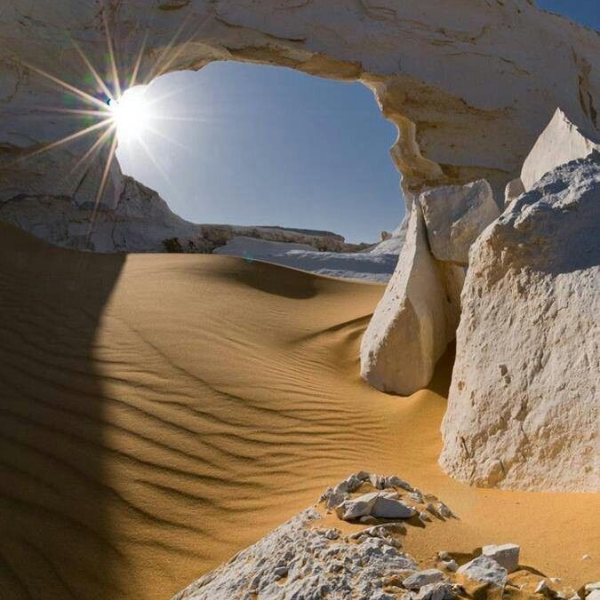
karst cavities,

cliffs,

wadis,

isolated vegetation,

and small oasis habitats.


Those environments create different ecological niches.


Official Egyptian protected-area material highlights areas such as Wadi Hennis, Ain El Maqfi and Ain El Wadi, where vegetation and oasis-like habitat increase the biological importance of the wider White Desert ecosystem.


This matters because animals don’t distribute themselves evenly across the landscape.


A completely exposed chalk plain may support far less visible activity than:


a vegetated wadi,

a spring,

a cliff,

or a sheltered rock formation.


So the wildlife experience changes as you move through the protected area.

The White Desert Is Not an East African Safari

This is worth establishing immediately.


If you arrive expecting:


zebra,

large gazelle herds,

predators standing beside the road,

or animals around every corner,

you’ll probably be disappointed.


Desert wildlife survives partly by not being visible.


Animals reduce their exposure to:


heat,

predators,

and humans.


Many rest during the hottest part of the day.


Others become active only after sunset.


Some travel huge distances across sparsely populated landscapes.


The correct expectation is:


White Desert wildlife is subtle.


Once you accept that, spotting one fox can become much more memorable than seeing 50 animals inside a fenced wildlife attraction.

Desert Foxes: The Animal Most Visitors Ask About

Ask people what animal they associate with the White Desert and you’ll often hear:


foxes.


That’s understandable.


Foxes are among the mammals most likely to become associated with camps because they’re:


intelligent,

opportunistic,

mostly nocturnal,

and excellent at finding food.


A quiet desert camp can therefore occasionally attract a curious fox after dark.


That does not mean every camp will see one.


But compared with trying to find a rare gazelle or sand cat, fox encounters are a much more realistic possibility.

Rüppell's Fox in the White Desert

One species that has been directly photographed in Egypt’s White Desert is Rüppell’s fox (Vulpes rueppellii).


This desert-adapted fox has:


large ears,

a relatively slender body,

pale sandy coloration,

and a long bushy tail.


Its appearance is perfectly suited to the desert.


The coat helps it blend into:


sand,

rock,

and pale desert terrain.


Like many desert mammals, Rüppell’s fox is primarily active during cooler periods and at night.


That is one reason overnight campers may have a better chance of detecting fox activity than day visitors.

Fennec Foxes: Do They Live in the White Desert?

The fennec fox (Vulpes zerda) is another species strongly associated with Egypt’s deserts, and photographic records and traveler observations have linked fennecs with the White Desert region.


Fennecs are famous for their enormous ears.


They’re also much smaller than many people imagine.


Their large ears aren’t only cute.


They help with:


hearing prey,

detecting movement,

and coping with desert heat.


But here’s an important identification warning:


Not every pale, large-eared fox seen in the White Desert is automatically a fennec.


Rüppell’s foxes also have large ears and pale desert coloring.


Quick nighttime sightings can therefore be misidentified.


If you photograph one, let a knowledgeable guide or wildlife specialist help identify it rather than confidently posting:


“Fennec!”


because it had big ears.

How Can You Tell Fennec and Rüppell's Foxes Apart?

Very roughly:


Fennec Fox


Smaller overall.


Extremely large ears relative to the head.


Compact, delicate appearance.


Very pale sandy coat.


Rüppell’s Fox


Generally larger and longer-legged.


Large ears, but less exaggerated relative to the body.


Long bushy tail.


Often more obvious dark facial or tail markings.


But wildlife identification from:


headlights,

distance,

or a five-second nighttime encounter


isn’t always easy.


A photograph helps.

Why Do Foxes Approach Camps?

Food.


Or at least the possibility of food.


Foxes are excellent opportunists.


A camp can contain:


cooking smells,

food scraps,

bread,

meat,

rubbish,

and people who think:


“It’s adorable. Let’s give it something.”


That’s exactly where responsible tourism becomes important.

Should You Feed White Desert Foxes?

No.


Even if the fox appears friendly.


Even if it walks directly toward you.


Even if somebody tells you:


“It comes every night.”


Feeding wildlife can:


change natural behavior,

create dependence,

encourage animals to approach people,

increase conflict,

alter feeding patterns,

and turn campsites into artificial food sources.


The best fox encounter is one where the fox chooses to appear naturally and leaves naturally.


Take photographs.


Don’t create a restaurant.

Don't Leave Food Around Camp

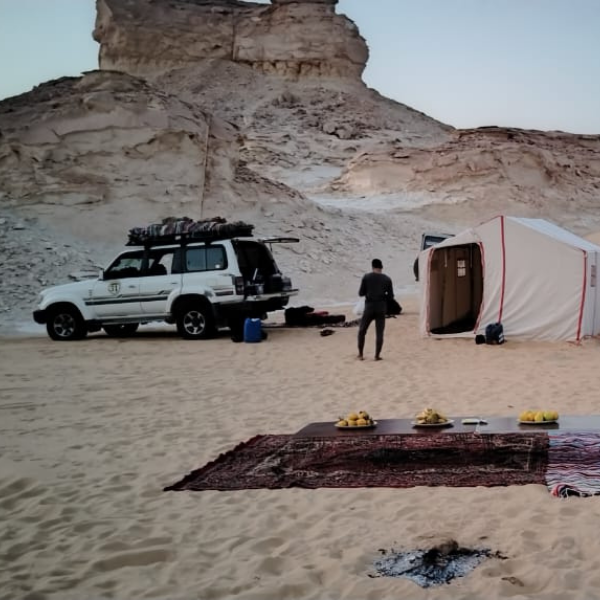
Responsible camping can reduce unnecessary wildlife interactions.


Keep food:


properly stored,

inside appropriate containers,

and managed by the camp team.


Dispose of leftovers correctly.


Do not leave:


bread,

meat,

fruit,

or food packaging

outside the tent overnight.


This protects both:


wildlife


and


the campsite.


For the complete camping experience, see our Guida al campeggio nel Deserto Bianco.

Dorcas Gazelle

The Dorcas gazelle is one of the most important larger mammals associated with Egypt’s deserts.


Egyptian environmental authorities have specifically recorded Dorcas gazelles within the White Desert Protected Area.


They’re exceptionally well adapted to dry landscapes.


Their survival strategy includes:


efficient use of water,

feeding on desert vegetation,

and avoiding unnecessary activity during extreme heat.


But tourists should keep expectations realistic.


Seeing a Dorcas gazelle during a normal two-day White Desert safari would be a lucky encounter.


They don’t stand around major Mushroom Rock viewpoints waiting for tour vehicles.


Wildlife pressure and the size of the landscape make sightings unpredictable.

What Does a Dorcas Gazelle Look Like?

They’re relatively small, elegant gazelles.


Typical features include:


slender legs,

light sandy coloration,

a pale underside,

dark facial markings,

and ringed horns.


Their coloring works brilliantly against open desert terrain.


From far away, a stationary gazelle can almost disappear.


That’s one reason binoculars can be useful if you’re genuinely interested in wildlife.

Slender-Horned Gazelle

The White Desert Protected Area also has conservation importance for the slender-horned gazelle, sometimes called the rhim gazelle.


Egypt’s environmental management material identifies this species as one of the key endangered animals for which the wider area provides refuge.


This doesn’t mean tourists commonly encounter it.


Quite the opposite.


If your safari advertisement promises:


“See rare slender-horned gazelles!”


I’d be skeptical.


Wildlife conservation value and wildlife-tourism visibility are two completely different things.

The Correct Way to Talk About Rare Wildlife

Say:


the protected area provides habitat for rare desert species.


Don’t say:


you will see them.


This distinction matters for credibility.


A responsible tour operator cannot schedule a wild gazelle for 4:15 PM between Crystal Mountain and sunset.

Sand Cats: The Desert Ghost

Few desert mammals generate more excitement than the sand cat.


And few are harder to find.


Sand cats are:


small,

highly nocturnal,

camouflaged,

and adapted to living in extremely arid landscapes.


Their feet are covered with dense fur that helps insulate them from hot sand.


They spend much of the day hidden.


So while sand cats belong to the broader Saharan wildlife story and are associated with Egypt’s deserts, a visitor should not plan a White Desert trip expecting to see one.


Think of a sand-cat sighting as:


an extraordinary wildlife event.


Not an itinerary item.

What About Jackals?

Canids such as jackals occur across suitable Egyptian desert environments.


They tend to be:


wary,

mainly active in cooler periods,

and more likely to avoid busy tourist camps than bold foxes are.


As with other mammals, signs may be more common than direct sightings.


Tracks tell stories.

Small Mammals: The Wildlife Beneath Your Feet

The desert’s smaller mammals rarely get the attention foxes and gazelles receive.


But rodents play an important ecological role.


Desert environments can support animals such as:


gerbils,

jerboa-like rodents,

and other small mammals.


These animals:


eat seeds,

move plant material,

dig burrows,

and provide prey for foxes, owls, snakes and raptors.


You may never see one clearly.


But you may see their footprints the next morning.

Tracks Are Part of Wildlife Watching

This is one of my favorite things about desert wildlife.


Sand records movement.


In the morning, you may notice:


tiny rodent prints,

fox tracks,

bird marks,

reptile trails,

or beetle tracks.


Suddenly you realize:


while you were sleeping, the desert was busy.


Learning to read tracks can sometimes reveal more wildlife than looking directly for animals.

Birds of the White Desert

Birds are generally easier to detect than large mammals.


Why?


They move during daylight.


They fly above the landscape.


They call.


And the White Desert’s:


cliffs,

karst towers,

cavities,

wadis,

and oasis vegetation

provide very different habitats.


The most scientifically important bird story in the White Desert is the Sooty Falcon.

Sooty Falcon: One of the White Desert's Most Important Birds

The Sooty Falcon (Falco concolor) is a migratory bird of prey.


Research published in the international protected-areas journal PARKS documented breeding Sooty Falcons inside White Desert National Park.


Field surveys were conducted from 2009 to 2013, with between 33 and 101 breeding pairs recorded annually during the study period.


The research found a particularly interesting relationship between the birds and White Desert geology:


the falcons used cavities within the region’s tower karst formations as nesting habitat.


That’s one of the most fascinating ecological stories in the White Desert.


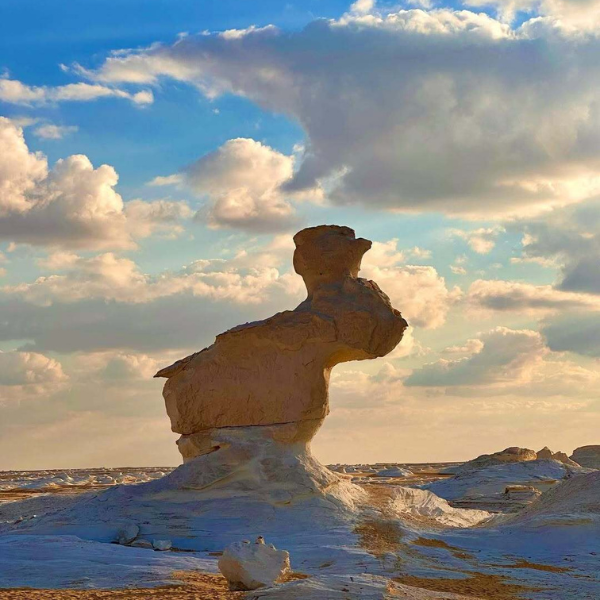
The famous rock formations aren’t merely scenery.


Some are habitat.

Geology Creates Wildlife Habitat

This is where White Desert ecology becomes especially interesting.


The same geological processes that created:


towers,

cavities,

cliffs,

and erosion features


also created:


nesting sites,

shade,

shelter,

and protection.


So geology and wildlife are connected.


A hole in a chalk tower may look like an interesting photo composition to us.


For a bird?


It could be a home.


That’s another reason visitors should not:


climb,

disturb,

or damage

the formations.


Read our White Desert National Park Egypt Guide for the conservation rules.

When Can You See Sooty Falcons?

Sooty Falcons are migratory.


Their visibility therefore changes seasonally.


The historic White Desert breeding surveys were conducted mainly from:


September through November.


That doesn’t guarantee a tourist sighting during those months.


But it shows that season matters.


The bird isn’t simply a permanent object in the landscape.


Wildlife changes throughout the year.

Other Birds You May Encounter

Across the broader Bahariya–Farafra–White Desert route, birdlife can include desert-adapted species and birds concentrated around:


oases,

springs,

vegetation,

and cliffs.


Travelers may encounter birds such as:


ravens,

larks,

wheatears,

kestrels,

and migratory species depending on season and location.


You may see far more birds around:


Oasi di Bahariya


or


vegetated areas


than in the most exposed White Desert plains.


That’s normal.


Water and vegetation concentrate life.

Brown-Necked Raven

One of the characteristic birds of desert environments in Egypt is the Brown-necked Raven.


Ravens are:


intelligent,

adaptable,

and capable of traveling across extremely dry landscapes.


They’re also much easier to notice than a hidden desert rodent.


Look for dark birds moving between:


cliffs,

roads,

camps,

and open terrain.

White-Crowned Black Wheatear

The White-crowned Black Wheatear is another bird strongly associated with rocky desert environments across Egypt.


Its contrasting plumage makes adults relatively easy to recognize.


These birds often use:


rocks,

walls,

cliffs,

and desert structures

as lookout points.


Again, exact species observations depend heavily on which parts of the wider route you’re visiting.

Birds Around Springs and Oasis Vegetation

If your safari passes:


Bahariya,

El Haize,

springs,

or vegetated wadis,

slow down.


These places may support far more visible bird activity than open chalk fields.


Why?


Because they provide:


water,

shade,

insects,

seeds,

and plant cover.


A tiny patch of vegetation can become extremely important in a desert.

Reptiles in the White Desert

Reptiles are another important part of desert ecosystems.


Lizards and other reptiles survive conditions that would be difficult for many mammals.


Depending on:


season,

temperature,

time of day,

and habitat,

you may see a lizard moving between rocks or across warm ground.


But many reptiles avoid extreme midday conditions and use:


burrows,

cracks,

and shade

to regulate their temperature.

Are There Snakes?

Snakes occur in Egyptian desert ecosystems.


That doesn’t mean you should spend the trip worrying about them.


Most wild animals prefer avoiding people.


The sensible rules are simple:


wear closed shoes,

use a light when walking around camp at night,

don’t put your hands blindly into holes,

don’t attempt to catch reptiles,

and follow your guide’s advice.


If you see a snake:


give it space.


You’re the visitor.

Are There Scorpions?

Scorpions are also part of Egyptian desert ecosystems.


Again:


possible


does not mean


constantly crawling through every tent.


Good camping habits help.


Keep your sleeping area organized.


Use closed footwear.


Shake out shoes if they’ve been left outside.


Use a light at night.


And don’t handle animals you cannot identify.

Insects: Small but Important

Desert insects are easy to overlook.


But they are fundamental to the ecosystem.


You may encounter:


beetles,

ants,

moths,

flies,

and other invertebrates.


They contribute to:


decomposition,

pollination,

soil processes,

and food chains.


A fox or falcon gets the photograph.


An insect helps keep the ecosystem functioning.


Both matter.

What Animals Are Active at Night?

This is when the desert becomes more interesting.


Potential nighttime activity includes:


foxes,

small rodents,

some reptiles,

insects,

and other nocturnal wildlife.


That’s one reason our Tour con pernottamento nel Deserto Bianco da Il Cairo offers a fundamentally different experience from a daylight-only visit.


You’re staying in the landscape during the hours when many desert animals become more active.

Does Camping Increase Your Chance of Seeing Wildlife?

Yes in one sense:


you’re present for more hours.


You experience:


sunset,

night,

pre-dawn,

and sunrise.


Those cooler periods overlap with increased activity for many desert animals.


But camping should never intentionally attract animals.


The goal is not:


leave food outside so a fox arrives.


The goal is:


stay quietly enough that normal wildlife can continue behaving naturally.

Best Time of Day for White Desert Wildlife

If wildlife is one of your interests, prioritize:


Early Morning

Cool temperatures.

Fresh tracks.

Bird activity.


Late Afternoon

Heat begins dropping.


Birds and mammals may become more active.


Sunset

Excellent transition period.


Night

Best potential for nocturnal mammals.


Dawn

Another strong period for movement.

Midday is generally less productive for mammal watching because of heat.

Best Season for Wildlife Watching

There is no single perfect wildlife month.


Different species have different seasonal patterns.


But for visitors, the cooler months have several practical advantages.


You can spend longer outside comfortably.


Walking is easier.


Dawn and dusk wildlife watching feels less punishing.


Bird migration may also create seasonal variation.


For general trip planning, read our Il periodo migliore per visitare il Deserto Bianco in Egitto.

White Desert Wildlife in Summer

Wildlife doesn’t disappear because it’s summer.


But the observation experience becomes harder.


During extreme heat, many animals reduce daytime activity.


They may use:


burrows,

shade,

rock cavities,

or nighttime activity

to avoid the heat.


So if you’re traveling during hotter months:


don’t expect midday wildlife to be particularly cooperative.


To be fair, humans aren’t particularly cooperative at 40°C either.

How to Improve Your Chances of Seeing Wildlife

You cannot control wildlife.


But you can avoid scaring it away.


Be quiet

Constant shouting doesn’t improve wildlife sightings.


Move slowly

Sudden movement can scare animals.


Use binoculars

Distance is your friend.


Watch at dawn and dusk

Better temperatures often mean increased activity.


Look for tracks

Don’t only scan the horizon.


Reduce unnecessary lights

Particularly around camp.


Listen

A sound may reveal an animal before you see it.


Ask your guide

Local guides often recognize tracks, calls and behavior quickly.

Don't Chase Wildlife with a 4x4

See a gazelle in the distance?


Amazing.

Stop.

Watch.

Photograph.


Do not turn the vehicle into a pursuit vehicle.


Chasing wildlife:


creates stress,

wastes animal energy,

damages habitat,

and ruins the encounter.


If an animal walks away:


let it.

Wildlife Photography in the White Desert

A long lens is useful.


Something in the:


200–400 mm


or similar range can allow you to photograph wildlife without approaching closely.


But wildlife isn’t the only photographic story.


Try including:


animal tracks,

fox silhouettes,

birds against chalk formations,

or a raven crossing the sunset sky.


Environmental wildlife photography often communicates the White Desert better than an extreme close-up.

Never Use Food to Get the Photograph

A fox standing beside your dinner may produce a cute picture.


But intentionally feeding it to create that moment isn’t responsible wildlife photography.


Don’t:


bait,

corner,

grab,

or repeatedly follow animals.


A natural photograph is worth more.

Flash Photography at Night

Use caution.


Blasting a nocturnal animal repeatedly with powerful flash at close range can disturb it.


If a fox appears briefly:


you don’t need 150 flash photographs.


Take a few respectful images if appropriate.


Then enjoy the encounter.

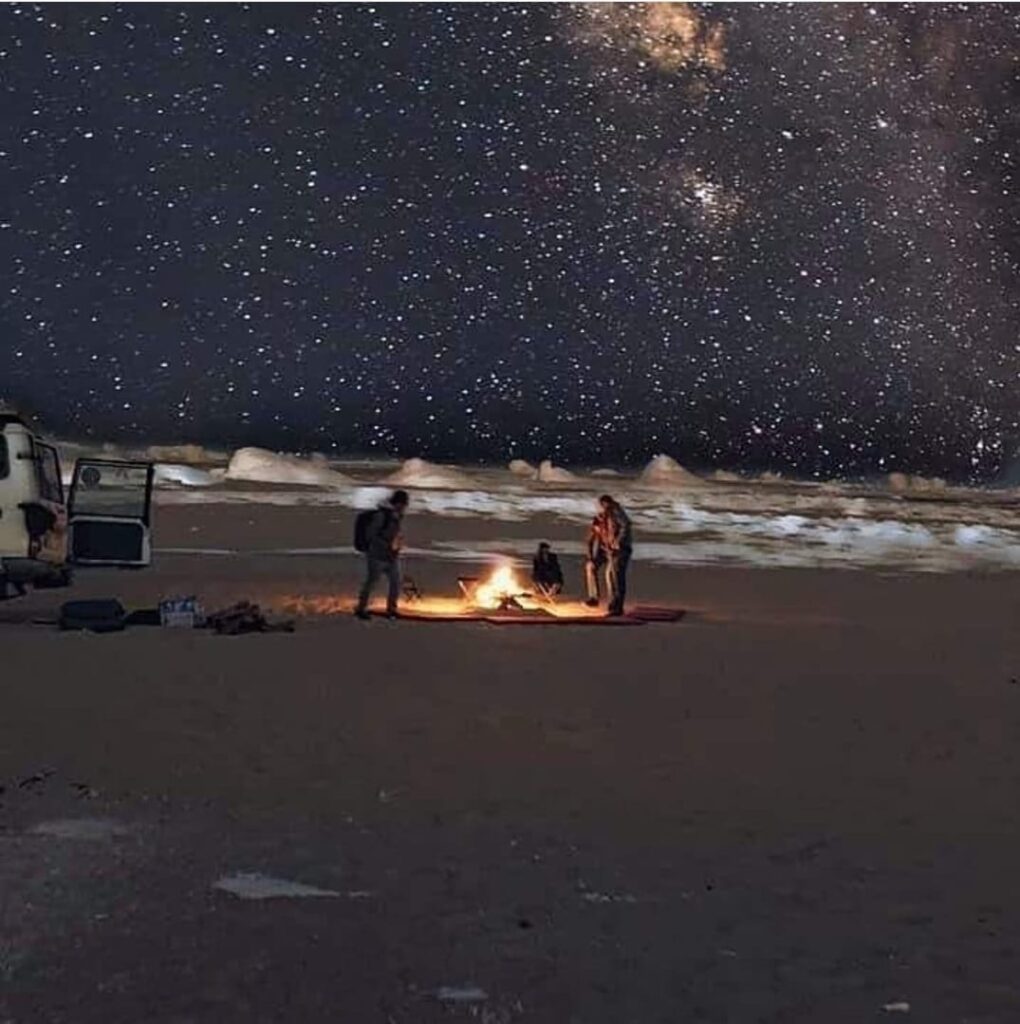
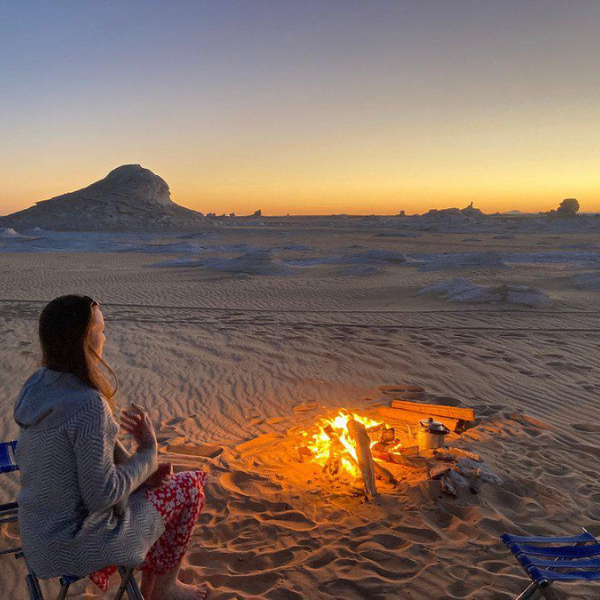
Wildlife and the White Desert Campfire

Campfires can change wildlife behavior.


So can:


food smells,

lights,

noise,

and human activity.


That doesn’t mean you shouldn’t enjoy your camp.


It means:


keep the camp managed,

don’t spread food waste,

and don’t deliberately draw wild animals into the firelight.


For the complete overnight experience, read our Overnight Desert Safari Egypt Guide.

Why You Should Never Keep a Wild Fox as a Pet

A desert fox appearing comfortable around humans does not mean it’s domesticated.


Wild animals have:


specialized diets,

natural territories,

complex behavior,

and ecological roles.


Taking one from the wild harms both:


the individual animal


and


the ecosystem.


Observe.


Don’t capture.

Wildlife Is Protected

The White Desert is a protected area.


Egypt’s protected-area framework prohibits activities that damage wildlife or natural habitats.


That includes:


hunting,

killing,

capturing,

or deliberately disturbing wild animals.


This isn’t only wildlife etiquette.


It’s conservation.


Our White Desert National Park Egypt Guide covers the protected-area rules in detail.

Don't Remove Nests, Feathers or Eggs

The same leave-it-there rule that applies to rocks and fossils should guide wildlife encounters.


Don’t collect:


eggs,

nests,

animals,

or biological material.


Even seemingly abandoned wildlife material can have ecological or scientific significance.


Take photos.


Leave nature where it belongs.

Why the Chalk Formations Matter to Animals

One of the most fascinating lessons from White Desert research is that its geology creates habitat.


Karst cavities can provide:


nesting places,

shade,

shelter,

and protection.


Large formations also create:


microclimates,

wind protection,

and shaded ground.


So damaging the rocks can affect more than geology.


It can affect wildlife.

Vegetated Wadis Matter Too

The open desert gets most of the photographs.


But biological conservation often becomes especially important around:


wadis,

springs,

and vegetation.


Why?


Because water and plant cover are scarce.


A relatively small vegetated zone may provide:


food,

shelter,

nesting opportunities,

and water access

for many species.


Don’t drive across vegetation simply because an open desert photo looks better from the other side.

Why Desert Wildlife Is So Adapted to Heat

Desert species survive through combinations of:


behavior,

physiology,

body shape,

timing,

and habitat use.


Common strategies include:


being nocturnal,

remaining underground during heat,

large ears that can aid heat exchange,

light-colored fur,

obtaining moisture from food,

and reducing unnecessary water loss.


The desert is not empty because it is impossible to survive there.


It’s quiet because survival requires efficiency.

Why Large Ears Are Common in Desert Foxes

Large ears offer two major advantages.


Hearing

They help detect tiny prey moving under or across sand.


Heat Management

The large surface area can help dissipate heat.


This is a perfect example of evolution matching the environment.


A feature tourists think is:


“cute”


is also:


survival equipment.

What Do Desert Foxes Eat?

Their diets can include combinations of:


small mammals,

insects,

reptiles,

birds,

eggs,

and plant material,

depending on species and availability.


In other words:


they’re opportunistic.


Which explains why food at tourist camps is extremely tempting.


Another reason not to feed them.

What Do Gazelles Eat?

Desert gazelles browse and graze on available vegetation.


They can survive environments where plants appear almost nonexistent to us.


This makes isolated vegetation patches extremely important.


Destroying a shrub can therefore have more ecological impact than it appears.

White Desert Wildlife vs Siwa Wildlife

Both are Saharan landscapes, but they’re different ecosystems.


Siwa includes:


large oasis habitats,

extensive palms,

salt lakes,

springs,

and Great Sand Sea environments.


The White Desert has:


chalk karst,

cliffs,

wadis,

isolated vegetation,

and desert plains.


You shouldn’t expect an identical wildlife mix.


If nature is your main priority, the two destinations complement rather than replace each other.


Explore Oasi di Siwa, Egitto for the broader destination.

White Desert Wildlife vs Fayoum

Fayoum offers much more obvious wetlands and lakes.


That can produce very different birdwatching opportunities.


The White Desert is much drier and more extreme.

Choose:


Fayoum


for wetlands + desert combination.


Il Deserto Bianco


for Saharan wildlife + wilderness + geology.


They’re completely different nature experiences.

Is the White Desert Good for Birdwatching?

It can be very interesting, particularly for travelers who understand desert birding.


But don’t compare it with:


the Nile Delta,

Lake Qarun,

or major wetland reserves.


Species density may be lower.


The reward comes from observing birds adapted to:


extreme arid landscapes,

karst formations,

oasis edges,

and migration routes.


The Sooty Falcon alone gives the park major ornithological interest.

Bring Binoculars

Most White Desert visitors don’t.


Wildlife enthusiasts should.


Binoculars weigh almost nothing compared with a giant camera lens and can transform:


bird observation,

gazelle spotting,

and distant wildlife identification.


Something compact like:


8×32


or


8×42


is convenient for travel.

Should You Bring a Wildlife Camera Trap?

Not without permission.


Setting equipment in a protected area can require authorization and may interfere with:


wildlife,

other visitors,

or protected-area management.


Don’t treat the White Desert as your personal research station.


If you’re doing scientific work:


arrange the proper permissions.

Can You Hear Wildlife at Night?

Sometimes.


And this can be more atmospheric than actually seeing it.


You may hear:


movement near camp,

birds,

wind around the rocks,

or animals calling in the distance.


Don’t automatically rush outside with the brightest flashlight available.


Pause.


Listen.


The desert at night rewards patience.

What If a Fox Comes Close to Your Tent?

Stay calm.


Don’t feed it.


Don’t corner it.


Don’t attempt to touch it.


Keep food properly stored.


Give it a clear escape route.


A fox approaching camp is generally interested in:


smells

and

food opportunities,

not making new human friends.

What If You Find an Injured Animal?

Don’t improvise veterinary treatment unless there is an immediate safety reason.


Tell your guide.


The appropriate response may involve:


protected-area staff,

local authorities,

or wildlife specialists.


Wild animals can carry diseases and can injure people when frightened.


Professional handling is better for both sides.

What If You See a Snake or Scorpion?

Give it space.


Alert the guide.


Don’t kill it simply because you’re afraid.


Don’t touch it.


Don’t spend twenty minutes trying to get your phone 5 cm from its face.


Most encounters become dangerous when humans decide they need a better look.

Leave No Food Waste

Wildlife conservation and responsible camping overlap here.


A campsite covered in leftovers teaches animals to return.


That can cause:


habituation,

dependency,

aggression,

and unnatural population changes.


Take rubbish out.


Keep organic waste controlled too.


The fact that food decomposes eventually doesn’t mean dumping it is harmless.

Don't Leave Water Out to Attract Animals

This can sound compassionate.


But artificially concentrating wildlife around camps can:


alter natural movement,

increase disease transmission,

and make animals dependent on tourism.


Unless an authorized conservation program is providing water:


don’t create one yourself.

Wildlife and Children

The White Desert can be fantastic for children interested in nature.


Turn the trip into a game:


find tracks,

identify birds,

look for insects,

listen for sounds.


But teach one rule early:


Wild animals are for watching, not touching.


That one sentence prevents a lot of bad ideas.

Wildlife for Photographers

If wildlife matters more than general sightseeing, tell your operator before the trip.


You may benefit from:


slower mornings,

less noisy camp placement,

more dawn observation,

or additional time near suitable habitats.


A standard White Desert itinerary is designed around:


geology

and

landscape.


Not dedicated wildlife tracking.


Expectations matter.

Can a White Desert Tour Guarantee Wildlife?

No.


And it shouldn’t.


A guarantee of:


“fox sighting”

or

“gazelle encounter”


would be a red flag unless the animals have become unnaturally habituated around a camp.


The correct promise is:


You are traveling through a protected desert ecosystem where wildlife occurs naturally, and sightings depend on luck, season, time and animal behavior.


That’s authentic wildlife travel.

Best White Desert Trip for Wildlife Lovers

A 3-day / 2-night safari has an advantage over a quick trip.


Why?


More time means:


two evenings,

two nights,

two dawn periods,

and less rushing.


You can also experience more habitat types.


Our Tour di 3 giorni nel Deserto Bianco da Il Cairo is the stronger format for travelers who want a slower desert experience.


For most first-time visitors, however, the Tour con pernottamento nel Deserto Bianco da Il Cairo is still enough to experience the transition from daylight into the nocturnal desert.

Sample Wildlife-Friendly White Desert Itinerary

Day 1 — Cairo to Bahariya Oasis


Travel southwest from Cairo.


Look for oasis birdlife around Bahariya.


Deserto Nero


Observe open-desert birds and tracks without leaving permitted routes.


Crystal Mountain & Agabat


Focus mainly on geology and landscape.


Watch cliffs and rocky areas for birds.


White Desert Sunset


Slow down as temperatures fall.


Listen.


Watch.


Camp


Keep food controlled.


Reduce unnecessary artificial light.


Do not feed wildlife.


Night


Observe stars.


Watch quietly for fox movement at a respectful distance.


Day 2 — Dawn


Wake before sunrise.


Look for fresh tracks around camp.


Observe birds during cooler morning conditions.


Morning


Continue White Desert exploration.


Photograph wildlife only when encounters happen naturally.


Return


Leave the campsite with no rubbish and no food waste.


Simple.


Low impact.


And far more rewarding than chasing animals.

White Desert Wildlife Photography Checklist

Bring:


binoculars,

telephoto lens if available,

spare batteries,

memory cards,

dust protection,

quiet shoes,

red-light headlamp,

and patience.


You don’t need:


bait,

food for foxes,

loud speakers,

or a drone chasing animals.

Conservation Comes First

The White Desert’s wildlife survives in an environment that already demands everything from it.


Animals deal with:


extreme temperatures,

little water,

limited vegetation,

predation,

and vast distances.


They don’t need additional stress from tourism.


The best wildlife encounter ends with:


the animal continuing whatever it was doing


after you leave.

Why Wildlife Makes the White Desert More Interesting

At first, the White Desert feels geological.


Chalk.

Wind.

Sand.

Erosion.


Then you realize that those geological formations create habitat.


A cavity shelters a falcon.


A shaded rock protects a reptile.


Vegetation in a wadi supports gazelles and small mammals.


Fox tracks cross the sand after dark.


Birds use cliffs as lookout points.


Suddenly the White Desert isn’t simply a museum of rock formations.


It’s alive.


That makes the landscape much more interesting.

Is Wildlife a Reason to Visit the White Desert?

Yes.


But wildlife should be a bonus, not the main guarantee.


Come primarily for:


the White Desert landscape,

Black Desert,

Agabat,

camping,

stars,

sunset,

and sunrise.


Then pay attention to the life around you.


If a fox appears?

Fantastic.

If you see a gazelle?

Exceptional.

If no large mammal appears?


You haven’t had a failed safari.

Look at the tracks.

Watch the birds.

Notice the insects.

Listen at night.

The desert was alive the entire time.


You simply had to learn where to look.

Plan a White Desert Wildlife-Friendly Safari

Start by understanding the destination with our White Desert Egypt Guide.


Learn the conservation rules in the White Desert National Park Egypt Guide.


For the strongest chance of experiencing the desert during active wildlife hours, choose an overnight trip through our Tour con pernottamento nel Deserto Bianco da Il Cairo.

For more time at:


dusk,

night,

and dawn,

consider the Tour di 3 giorni nel Deserto Bianco da Il Cairo.


You can also browse our Egypt Desert Safari Packages or all Egypt Desert Dunes tours.


And remember:


The best wildlife encounters in the White Desert are the ones the animals choose to give you.

- Tours Carousel
✓ Available on Viator

Book Egypt Desert Dunes Tours on Viator

Discover our private White Desert camping adventures and Siwa Oasis experience. Choose your favorite itinerary and complete your reservation securely through Viator.

✓ Private Tours
✓ Cairo Pickup
✓ Mobile Ticket
✓ English Speaking Team
✓ Book Through Viator
4-Day Private White Desert Camping Tour from Cairo by Egypt Desert Dunes
✓ Book on Viator
Tour privato
White Desert • Bahariya Oasis • Egypt
⏱ 4 Days / 3 Nights ★ 5.0 (4 Reviews)

4-Day Private Camping Tour in the White Desert from Cairo

Go deeper into Egypt's Western Desert with a private four-day camping adventure including spectacular desert landscapes, Black Desert, White Desert, open-air meals and three nights beneath the stars.

Cairo Pickup Tour privato Campeggio nel deserto Meals Included
Reference price from
€588 / person*
Check Viator for today's live price
View on Viator →
2-Day 1-Night White Desert Camping Tour from Cairo by Egypt Desert Dunes
✓ Book on Viator
Best Short Trip
White Desert • Black Desert • Egypt
⏱ 2 Days / 1 Night ★ 5.0 (3 Reviews)

2-Day, 1-Night Camping Tour in White Desert from Cairo

Our most compact White Desert adventure for travelers who want to experience the desert from Cairo, explore its unique landscapes and spend an unforgettable night camping beneath the stars.

1 Night Camping Cairo Pickup Breakfast Lunch & Dinner
Reference price from
€197 / person*
Price varies by date and group size
View on Viator →
3-Day Private White Desert Camping Tour from Cairo by Egypt Desert Dunes
✓ Book on Viator
Popular Choice
Black Desert • Aqabat • White Desert
⏱ 3 Days / 2 Nights ★ 5.0 (5 Reviews)

3-Day Private Camping Tour of White Desert from Cairo

Spend three days exploring the Western Desert, including the Black Desert, Crystal Mountain, Aqabat area and White Desert, with two nights of private desert camping.

2 Nights Camping Deserto Nero Il Deserto Bianco Private Experience
Reference price from
€394 / person*
Check Viator for today's live price
View on Viator →
4-Day Siwa Oasis Trip from Cairo by Egypt Desert Dunes
✓ Book on Viator
Siwa Experience
Siwa Oasis • Western Desert • Egypt
⏱ 4 Days Egypt Desert Dunes • 14 Operator Reviews

Siwa Oasis Trip with Cairo Pick Up

Travel from Cairo to legendary Siwa Oasis on a private four-day journey exploring Siwan culture, desert landscapes, Lake Siwa, traditional sites and some of the oasis's most distinctive attractions.

4 Days Cairo Pickup Siwa Hotel Meals Included
Reference price from
$1,150 / adult*
Check Viator for today's live price
View on Viator →
*Important: Prices shown above are reference “from” prices observed while reviewing the listings and may change based on travel date, number of travelers, availability, currency and Viator pricing. Click “View on Viator” for the current final price before booking.

Explore Egypt's Desert with Egypt Desert Dunes

From a one-night White Desert camping adventure to extended Western Desert and Siwa Oasis experiences, choose the itinerary that matches your travel style and complete your booking through Viator.

Explore Our Tours →
Plan Your Desert Adventure

Book a Tour or Create Your Own Egypt Experience

Choose one of our ready-made tours or customize your own private journey. Select your destinations, duration and travel style, then send your request directly to Egypt Desert Dunes on WhatsApp.

Book Your Desert Tour

Select your preferred itinerary and send us your travel details. Our team will reply on WhatsApp with availability and the final quote.

Choose Your Tour *
Please select a tour and complete your name, travel date and number of travelers.
Your booking request will open directly in WhatsApp. No payment is made through this form.

Create Your Own Private Egypt Tour

Combine Cairo, Giza, Fayoum, the Western Desert and Siwa in one custom itinerary. Choose the destinations and experiences you want and our team will recommend the best route based on your available days.

Which Places Would You Like to Visit? *
Select as many destinations as you like. Egypt Desert Dunes will recommend the best route according to your trip duration.
What Are You Most Interested In?
Please enter your name, number of travelers, trip duration and select at least one destination.
Egypt Desert Dunes will review your selections and send you a customized itinerary and quotation on WhatsApp.

FAQ — White Desert Wildlife

What animals live in Egypt's White Desert? +

The protected area supports Saharan wildlife including desert foxes, gazelles, small mammals, birds, reptiles and invertebrates. Official conservation material specifically identifies Dorcas gazelle and slender-horned gazelle as important species in the area.

Are there foxes in the White Desert? +

Yes. Desert foxes occur in the White Desert, and Rüppell's fox has been directly photographed there. Fennec foxes are also associated with the wider region.

Can you see fennec foxes in the White Desert? +

It is possible, particularly at night, but sightings are never guaranteed. Rüppell's fox can also occur in the area and may be confused with a fennec during brief nighttime sightings.

What is the difference between a fennec fox and a Rüppell's fox? +

Fennecs are generally smaller and have extremely large ears relative to their heads. Rüppell's foxes are larger and longer-legged with a long bushy tail. Identification from distant nighttime sightings can be difficult.

Do foxes come to White Desert camps? +

Foxes may investigate camps because of food smells and scraps, particularly after dark. Visitors should never intentionally feed them.

Should you feed White Desert foxes? +

No. Feeding can change natural behavior, create dependence and encourage wildlife to associate tourist camps with food.

Are there gazelles in the White Desert? +

Yes. Dorcas gazelles have been officially recorded, and the protected area has conservation importance for slender-horned gazelles. Tourist sightings are uncommon.

Can tourists see Dorcas gazelles? +

It is possible, but they are not commonly seen on every safari. A sighting should be considered a lucky wildlife encounter rather than a guaranteed attraction.

Are there sand cats in Egypt's Western Desert? +

Sand cats are desert-adapted cats associated with Saharan environments, but they are highly nocturnal and exceptionally difficult to observe. Visitors should not expect a sand-cat sighting.

What birds live in the White Desert? +

The area supports desert birds and migratory species. One of the most important scientifically documented species is the Sooty Falcon, which uses karst cavities in the White Desert for nesting.

Are Sooty Falcons found in the White Desert? +

Yes. Scientific surveys recorded breeding Sooty Falcons in White Desert National Park and documented their use of cavities in tower-karst formations.

When is the best time to see Sooty Falcons? +

Their visibility is seasonal because they are migratory. Historic White Desert breeding surveys were conducted from September through November.

Are there ravens in the White Desert? +

Desert-adapted ravens, including Brown-necked Ravens, may be encountered across the broader Western Desert route.

Are there reptiles in the White Desert? +

Yes. Desert habitats support reptiles including lizards and snakes, although most visitors will see relatively few because many avoid people or extreme daytime heat.

Are there snakes in the White Desert? +

Snakes can occur in Egyptian desert ecosystems. Wear closed shoes, use a light around camp after dark and never attempt to catch or handle a snake.

Are there scorpions in the White Desert? +

Scorpions occur in desert environments, although sightings are not guaranteed. Use normal camping precautions such as wearing shoes and checking footwear that has been left outside.

What is the best time of day to see wildlife in the White Desert? +

Early morning, late afternoon, dusk, night and dawn are generally more promising than extreme midday heat.

Is an overnight White Desert safari better for wildlife? +

It gives you more opportunities because you are present during sunset, nighttime and dawn, when many desert animals are more active.

Can a White Desert tour guarantee fox or gazelle sightings? +

No. Wildlife is free-ranging and unpredictable. Reputable operators should never guarantee sightings of wild foxes, gazelles or other mammals.

Can I photograph wildlife? +

Yes, but keep a respectful distance, avoid feeding or chasing animals and use a telephoto lens rather than approaching closely.

Can you use flash on White Desert wildlife? +

Avoid repeated powerful flash at close range, especially with nocturnal animals. Minimizing disturbance should take priority over getting a photograph.

Why is wildlife protected in the White Desert? +

The White Desert is a protected natural area preserving not only geological formations but also Saharan ecosystems, wildlife habitat and biodiversity.

Is the White Desert good for birdwatching? +

It can be rewarding for travelers interested in desert and migratory birds, particularly around cliffs, karst formations, wadis, springs and oasis vegetation.

Is the White Desert mainly a wildlife safari? +

No. It is primarily a landscape, geology and desert-adventure destination. Wildlife is an important part of the ecosystem, but sightings are generally subtler than on traditional African wildlife safaris.

Lascia un commento

Il tuo indirizzo email non sarà pubblicato. I campi obbligatori sono contrassegnati *