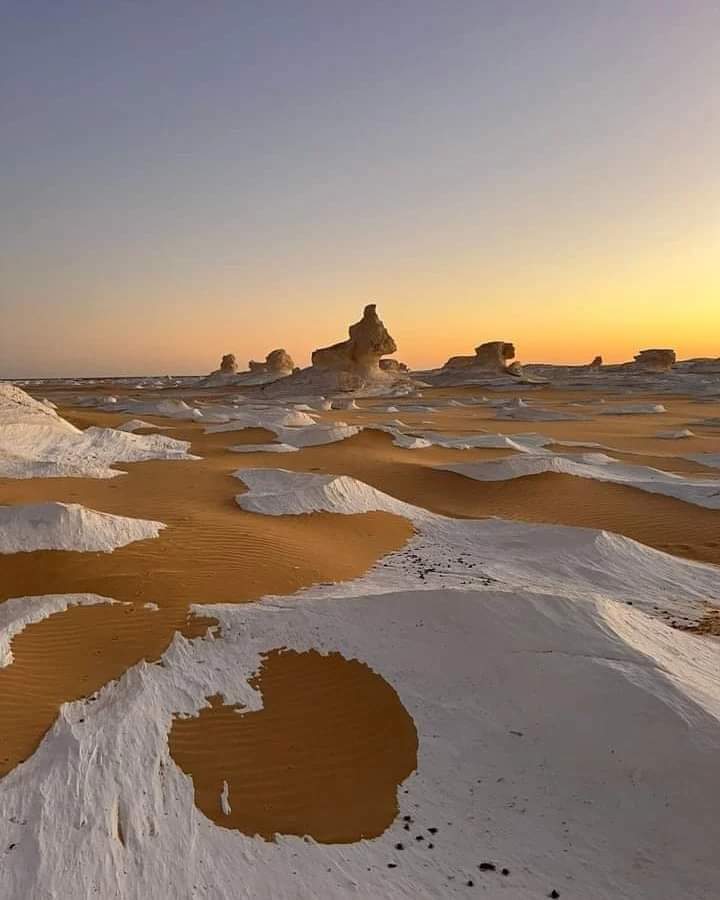
White Desert National Park Egypt: Rules, Conservation & Visitor Guide

Egypt’s White Desert looks almost indestructible.


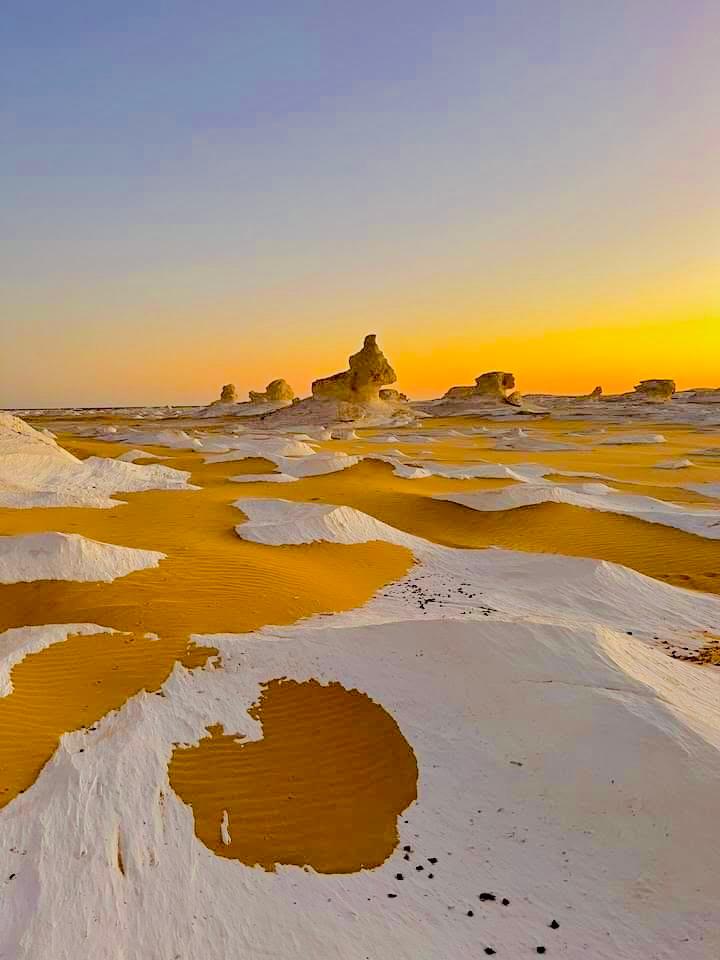
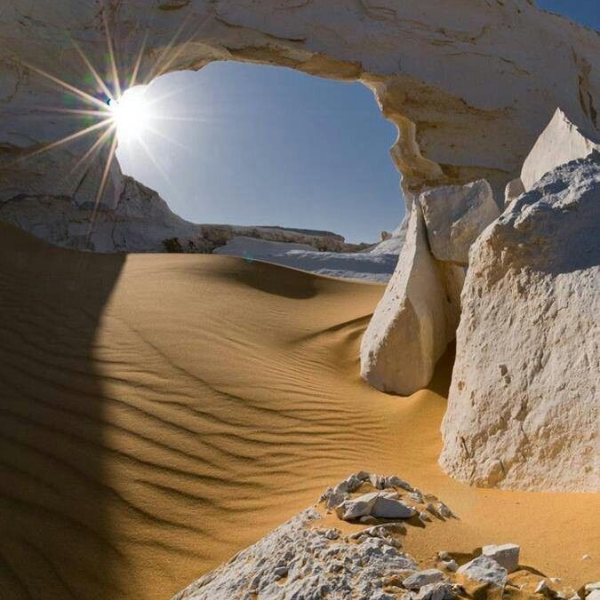
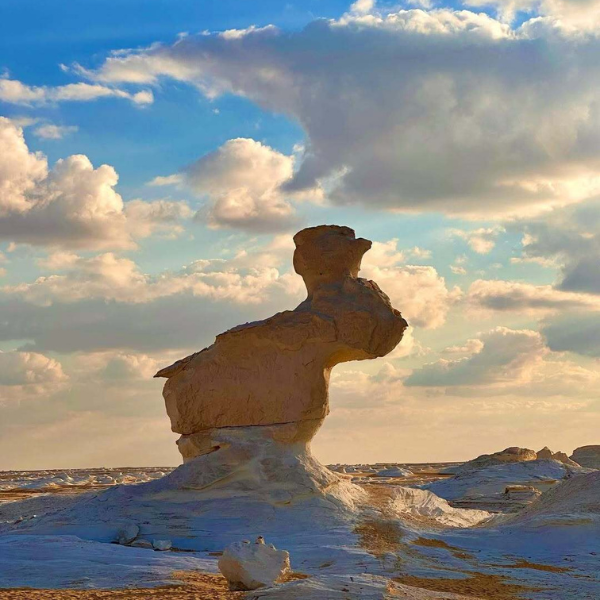
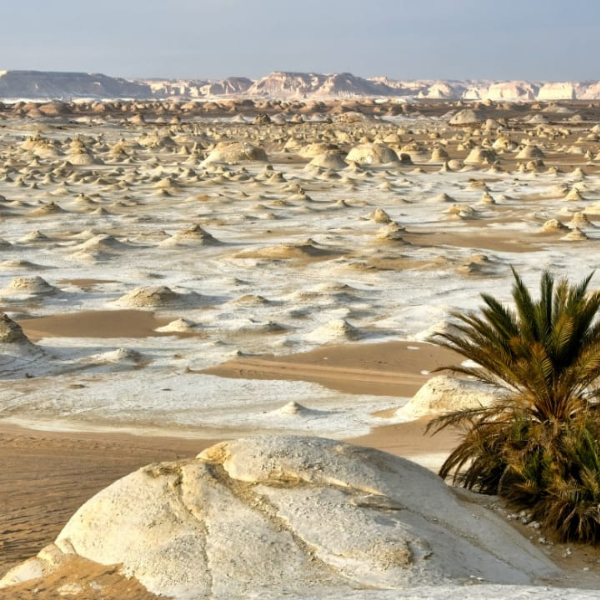
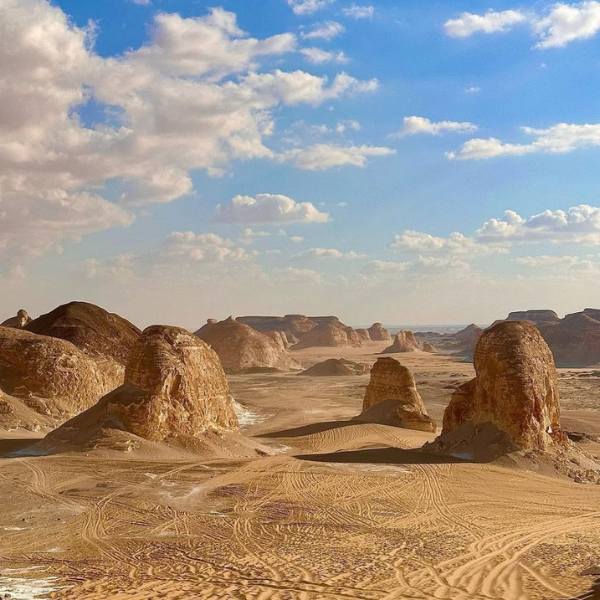
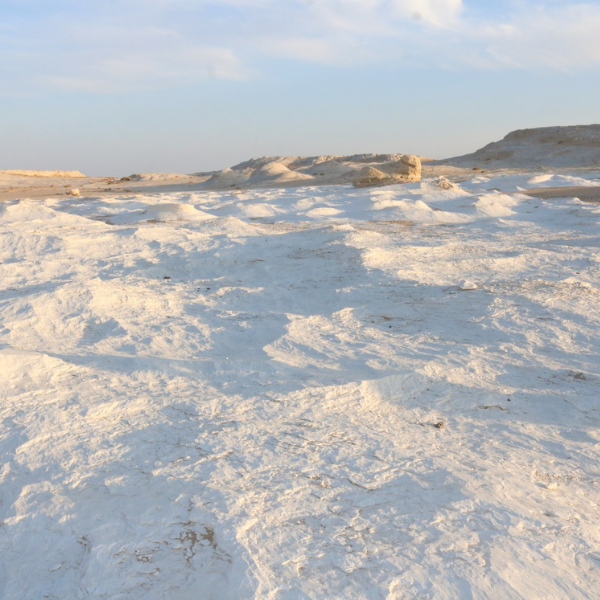
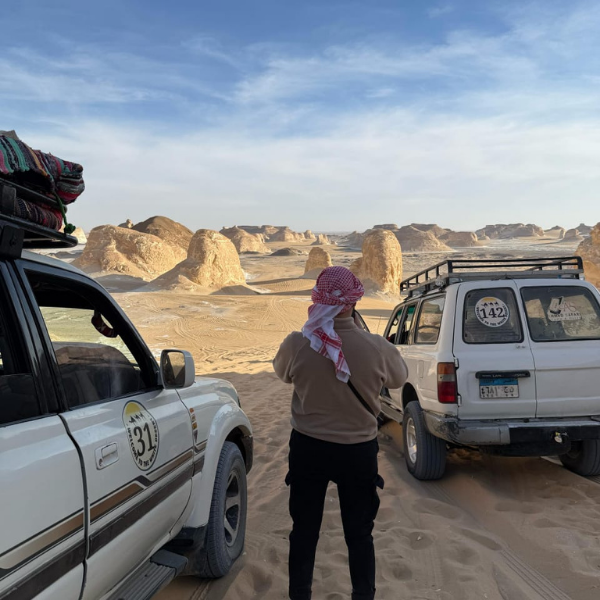
Massive white formations rise from a seemingly endless desert.


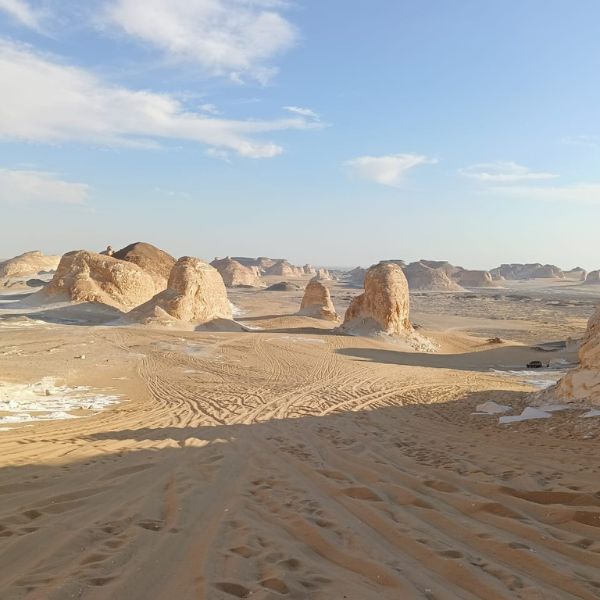
The ground stretches toward the horizon.


There are no fences around every rock.


No ropes around every fossil.


No museum glass protecting the chalk formations.


That can create a dangerous illusion:


that visitors can go anywhere, drive anywhere, camp anywhere or take a small rock home because the desert is so enormous that nobody will notice.


That’s not how the White Desert works.


The White Desert is a legally protected natural area containing important geological formations, fossils, wildlife, archaeological remains and fragile desert environments.


Egypt’s Environmental Affairs Agency currently lists the White Desert Natural Protected Area in New Valley Governorate as having been declared in 2002, with an official area of approximately 3,133.5 square kilometres. The agency classifies it as a landscape protected area and describes it as an exceptional landscape of white chalk, geological formations, fossils, karst features and desert wildlife.


The White Desert therefore isn’t simply an attraction.


It’s a protected landscape.


That distinction affects:


where vehicles can travel,

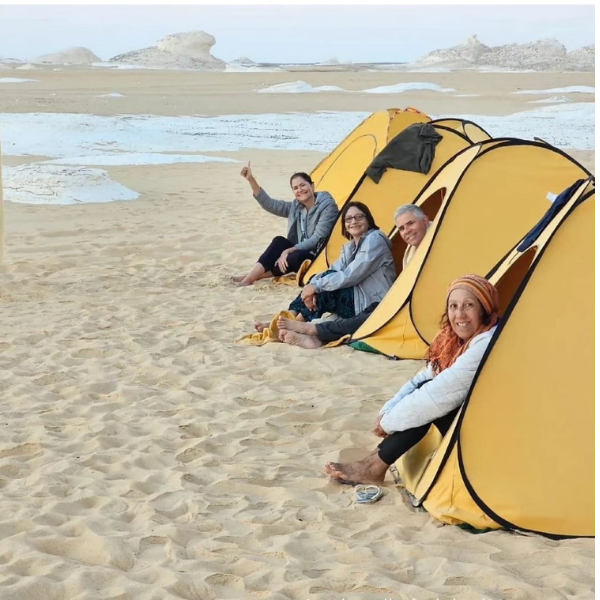
where visitors can camp,

what can be removed,

how waste should be handled,

which activities need permits,

and how tourists should interact with the environment.


If you’re planning your first trip, start with our White Desert Egypt Complete Guide.


If you’re ready to visit from Cairo with the appropriate desert logistics, explore our Safari nel Deserto Bianco dal Cairo.

- Tours Carousel

White Desert National Park Rules at a Glance

Question

Quick Answer

Official current name

White Desert Natural Protected Area

Common tourism name

Parco Nazionale del Deserto Bianco

Declared protected

2002

Official current area

About 3,133.5 km²

Governorate

New Valley

Nearest oasis

Farafra

Can you remove rocks?

No

Can you collect fossils?

No

Can you damage formations?

No

Can you carve your name?

No

Can you drive anywhere?

No

Can you camp anywhere?

No; camping depends on approved zones/current rules

Can you dump or bury rubbish?

No

Can you cut desert plants for firewood?

No

Need a guide?

Current travel guidance says tourists should use an official/licensed guide or operator

Need permits?

Current guidance requires advance permit arrangements

Can you fly a drone freely?

No; drone use in Egypt requires approvals

Can rules change?

Yes — reconfirm before travel

Is It White Desert National Park or White Desert Protected Area?

Both names appear online.


But they’re not equally precise.


The current official EEAA protected-area listing calls the site:


White Desert Natural Protected Area


and classifies it as a:


Landscape Protected Area.


It was declared in 2002.


However, older official management documents repeatedly use the English term:


Parco Nazionale del Deserto Bianco


and one management plan discussed managing the site under IUCN National Park principles.


This history explains why travel agencies, maps and articles often use:


Parco Nazionale del Deserto Bianco


while Egyptian environmental material may use:


White Desert Protected Area.


For visitors, the practical difference is simple:


Treat the White Desert as a protected natural area governed by Egyptian environmental law and current protected-area regulations.

When Was the White Desert Protected?

Egypt declared the White Desert a protected area in:


2002.


The current Egyptian Environmental Affairs Agency listing gives the area as:


3,133.5 km².


It describes the site as important for:


karst phenomena,

desert environments,

geographical features,

fossils,

wildlife,

archaeological remains,

prehistoric evidence,

white limestone formations,

and snow-white chalk pillars sculpted by natural erosion.


That’s an enormous amount of natural and cultural heritage inside one protected landscape.

Why Is the White Desert Protected?

Most visitors first notice the rocks.


But conservation goes much deeper.


The White Desert contains several overlapping values.

1. Geological Heritage

This is the most obvious.


The White Desert contains:


chalk formations,

limestone,

karst features,

fossils,

cliffs,

erosional landforms,

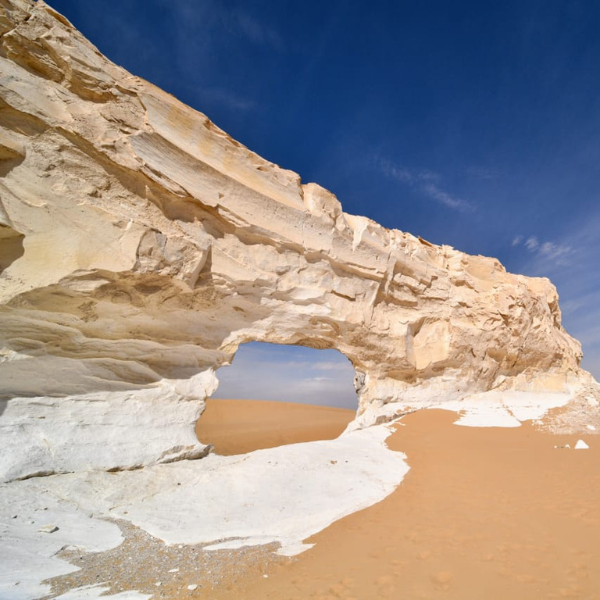
and extraordinary rock sculptures.


The shapes are not decorations placed there for tourism.


They’re geological records.


Our guide Why Is Egypt’s White Desert White? explains how the chalk and limestone developed and why the landscape has its famous pale appearance.

2. Fossils

The White Desert’s sedimentary rocks preserve evidence of ancient environments.


Egyptian environmental authorities specifically identify fossils as one of the protected area’s major scientific values.


That means finding a fossil does not turn it into a souvenir.


Its location matters scientifically.


Removing it destroys context.


We’ll come back to this because it’s one of the most important visitor rules.

3. Wildlife

The White Desert may look empty.


It isn’t.


Desert ecosystems support:


mammals,

reptiles,

birds,

insects,

plants,

and other organisms adapted to difficult conditions.


Wildlife can be sparse and difficult to see, which makes it easy to underestimate.


The official management philosophy for the site includes preserving wildlife populations, native vegetation and ecological processes.


Our upcoming White Desert Wildlife Guide will explore this in detail.

4. Archaeological and Prehistoric Heritage

Official management documents identify archaeological sites and prehistoric evidence within the protected area.


That means the White Desert isn’t only a geological landscape.


It also contains traces of human history.


Ancient material deserves the same respect as geological material:


look,

photograph,

don’t remove.

5. Landscape Value

This sounds less scientific.


But it’s extremely important.


Egyptian protected-area law explicitly protects the aesthetic value of protected landscapes.


That matters because:


graffiti,

vehicle tracks,

rubbish,

damaged formations,

and uncontrolled construction


can destroy a landscape without completely destroying its geology.


The view itself is part of what is protected.

The Law Behind White Desert Protection

Egypt’s Law No. 102 of 1983 concerning Natural Protectorates creates the legal framework for protected areas.


Article 2 prohibits actions that destroy, damage or degrade the natural environment or harm wildlife, vegetation or the aesthetic quality of a protected area.


It specifically prohibits activities including:


taking or moving rocks or soil,

damaging geological formations,

removing plants,

disturbing wildlife,

and polluting protected land, water or air.


It also restricts construction, roads, vehicle operation and commercial activities unless authorized by the competent authority.


That is much stronger than:


“Please don’t touch the rocks.”


These are legally protected resources.

Rule 1: Do Not Take Rocks

This is probably the easiest rule to understand.


Don’t take:


white chalk,

limestone,

interesting stones,

dark stones,

mineral pieces,

or geological souvenirs.


Egypt’s protected-area law specifically prohibits taking or transferring rocks from natural protectorates.


It doesn’t matter if:


the piece is tiny,

it was already loose,

there are thousands of similar pieces,

or nobody is watching.

Leave it.


“But It’s Only One Small Rock”


Imagine 50,000 visitors saying that.


Protected landscapes rarely disappear because one traveler removes an entire mountain.


They degrade through thousands of small actions.


One rock.

One crystal.

One fossil.

One piece of chalk.

One carved name.

Then another.


The correct souvenir is:


a photograph.

Rule 2: Do Not Collect Fossils

This deserves even more emphasis.


The White Desert’s official management plan identifies collection of fossils and prehistoric tools as a conservation problem requiring patrols and enforcement.


So if you find:


a shell,

a fossil fragment,

a strange imprint,

or something that looks archaeological,

do not pocket it.


Photograph it.


Show your guide.


Leave it where it is.


Why Fossil Location Matters


A fossil contains more information than:


what animal was this?


Its position can tell researchers about:


rock layer,

age,

environment,

sedimentation,

and relationship to nearby material.


Remove the fossil and much of that information disappears.


A fossil on your bookshelf becomes decoration.


A fossil in context becomes evidence.

Rule 3: Do Not Break or Damage Geological Formations

Egyptian law explicitly prohibits damaging geological and geographical formations within protected areas.


That means:


don’t break chalk,

don’t chip formations,

don’t test how soft a rock is with a tool,

and don’t deliberately modify formations for photographs.


The formations may look solid.


Chalk can be fragile.


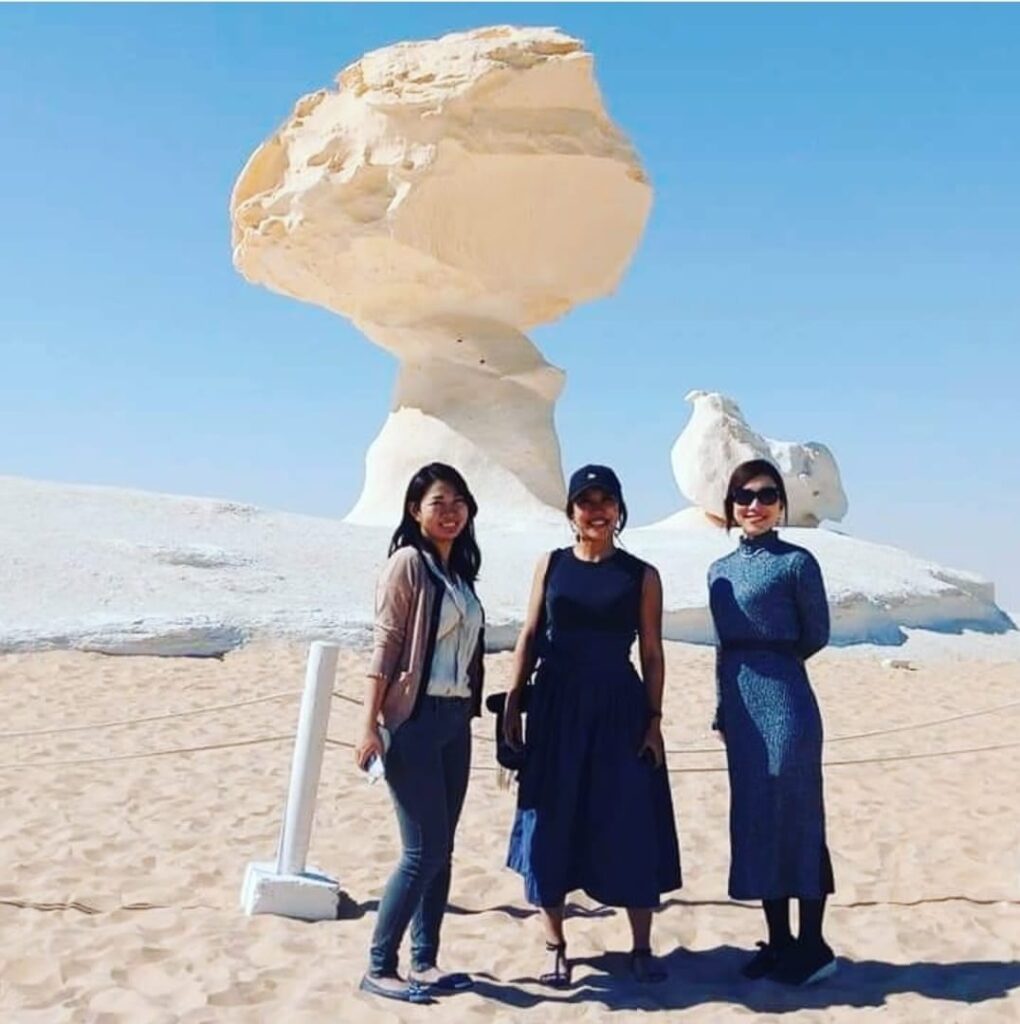
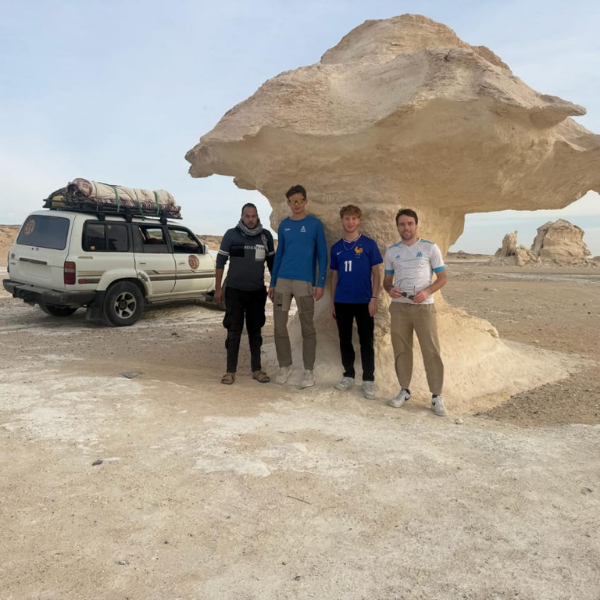
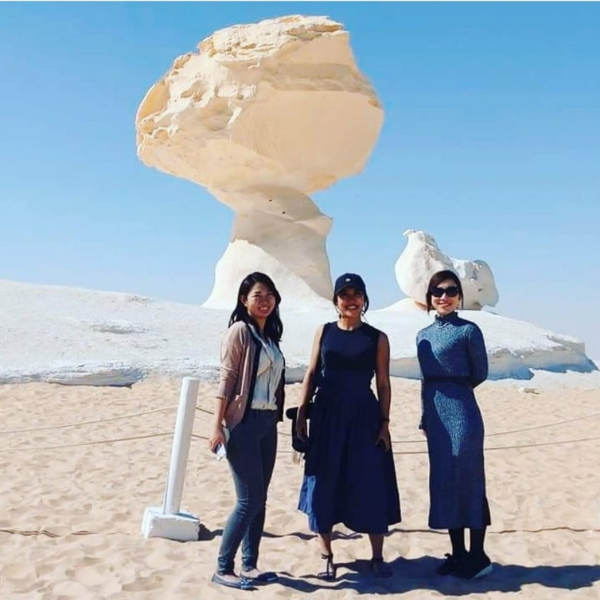
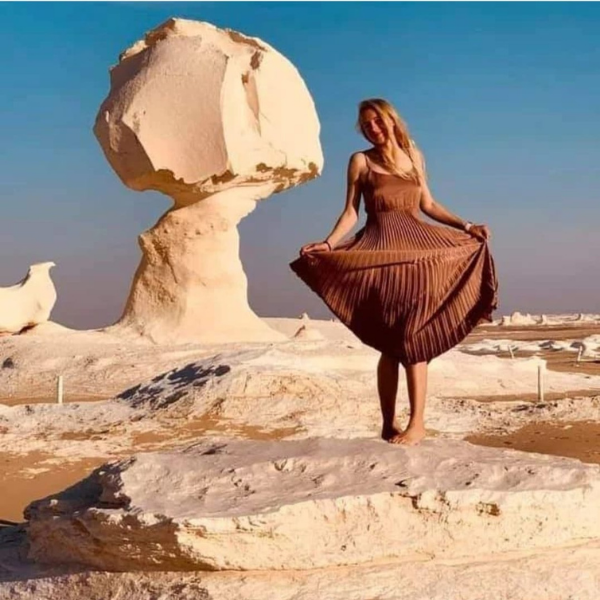
Can You Climb Mushroom Rock?


Don’t.


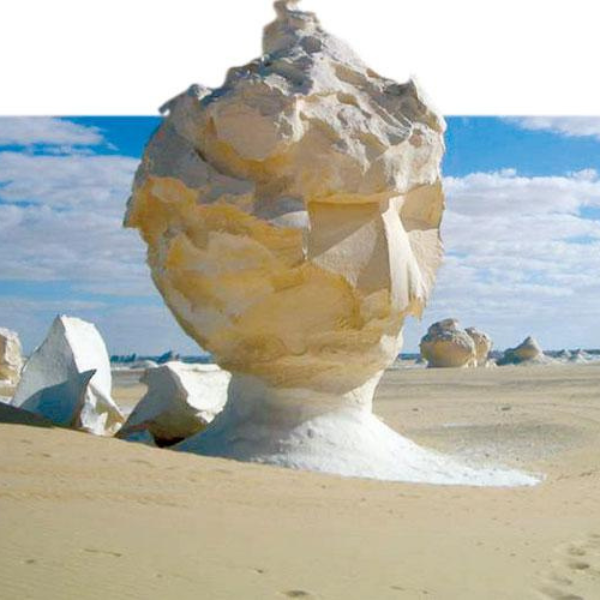
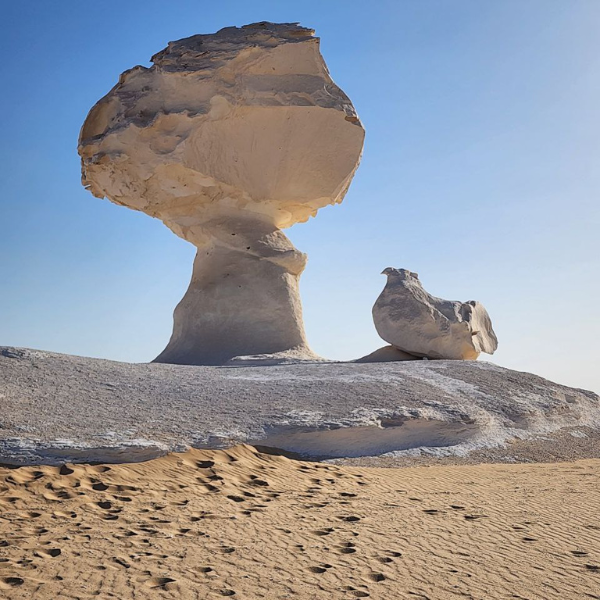
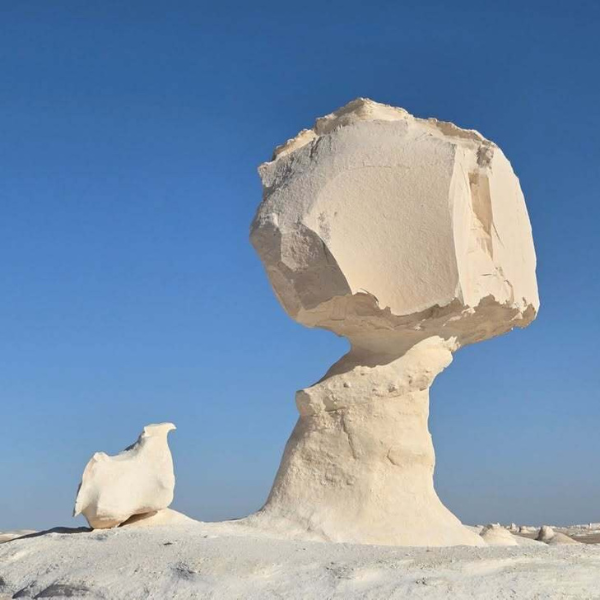
The famous mushroom-shaped formations exist because erosion has narrowed parts of their structure.


Adding human weight to fragile formations is unnecessary.


Even if a formation doesn’t collapse, repeated climbing can:


scrape surfaces,

break edges,

and accelerate damage.


If you want a dramatic photo:


stand beside it.

Use perspective.

You do not need to stand on it.


Read our Mushroom Rock White Desert Egypt Guide to understand why these formations are so unusual.

Rule 4: Never Carve or Write on the Rocks

No names.

No dates.

No hearts.

No initials.

No Instagram handles.


The official White Desert management plan specifically identifies writing on rocks as a destructive visitor activity and calls for monitoring and penalties against violations.


If your relationship requires carving both names into a geological formation to survive:


the relationship may have bigger problems.


Use a photo instead.

Rule 5: Do Not Disturb Wildlife

Egypt’s Natural Protectorates Law prohibits:


hunting,

moving,

killing,

or disturbing wild animals in protected areas.


That means wildlife encounters should remain wildlife encounters.


Don’t:


chase animals for photographs,

corner them,

pick up reptiles,

disturb nests,

or encourage guides to get closer than appropriate.

Should You Feed Desert Foxes?

No.


Wildlife should remain wild.


Feeding animals can change their behavior and make them dependent on human camps.


It can also encourage animals to associate:


people = food.


That often ends badly for both the wildlife and visitors.


If an animal approaches camp:


enjoy the sight.

Don’t turn it into a pet.

Rule 6: Do Not Remove Desert Plants

Egyptian protected-area law also prohibits damaging or transferring plants from protected areas.


Desert vegetation can look insignificant.


A tiny bush may have taken years to establish itself under extreme conditions.


Don’t:


pull plants,

collect branches,

or cut shrubs.


This connects directly with the next rule.

Rule 7: Don't Cut Local Plants for Firewood

The published White Desert management plan specifically addresses the collection of wild plants for fuel.


Its approach is clear:


tour companies and visitors should use alternatives such as fuel or wood brought from outside the protected area rather than harvesting desert vegetation.


So a responsible campfire should not begin with:


“Let’s find a bush to burn.”


The camp team should bring appropriate fuel.


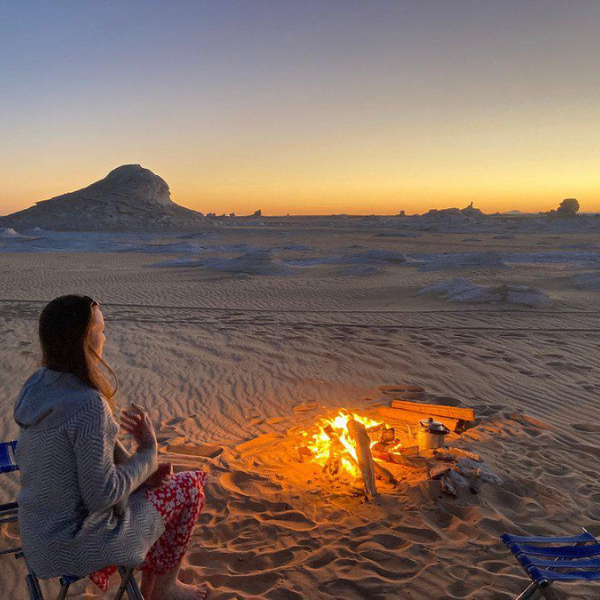
Are Campfires Allowed?


Don’t interpret desert camping as unlimited permission to build fires anywhere.


Whether a fire is appropriate can depend on:


the camping zone,

current protected-area rules,

weather,

operator procedures,

and local instructions.


A licensed operator should know the current arrangements.


The important conservation rule is:


Never collect protected vegetation as firewood.


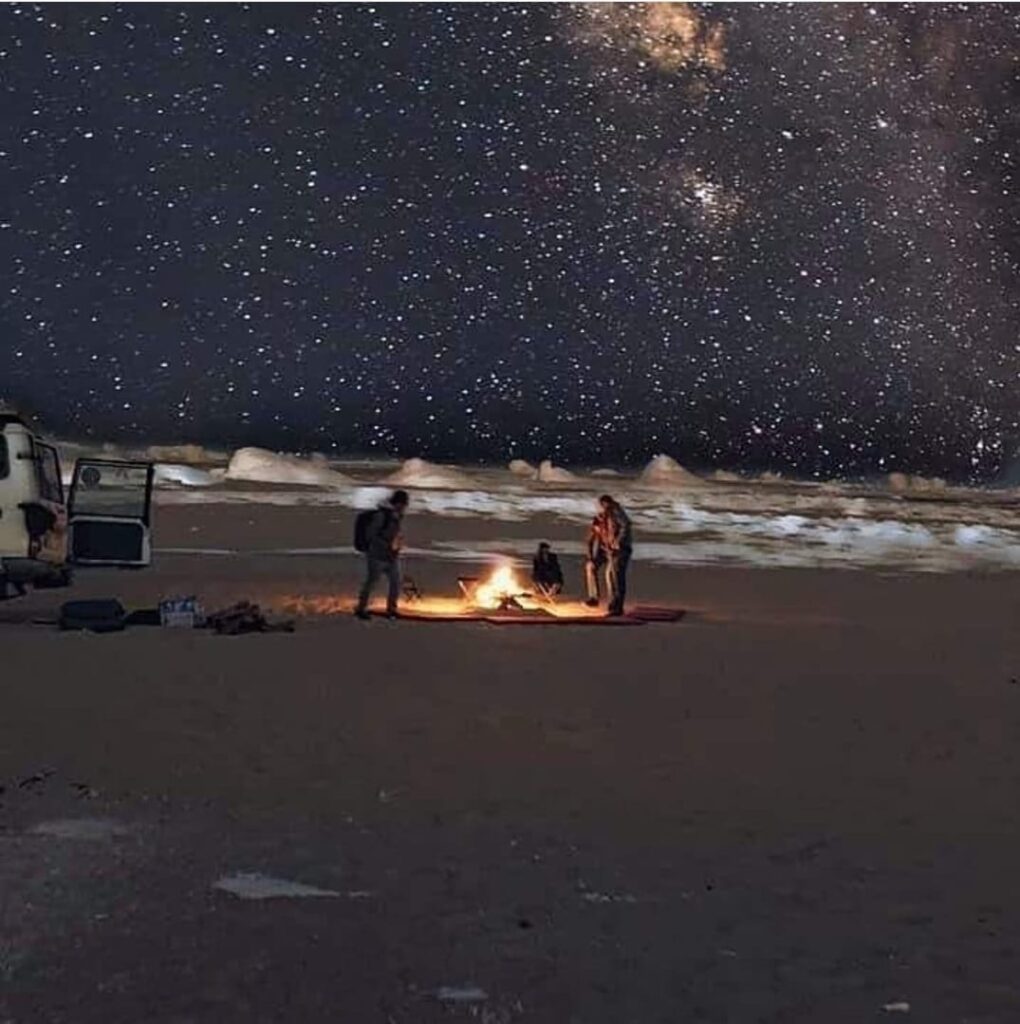
And after any permitted fire:


the campsite should not be left full of burnt rubbish, cans or plastic.

Rule 8: Take Your Rubbish Out

This one sounds obvious.


Yet waste is one of the conservation issues specifically addressed in the protected-area management plan.


The plan calls for preventing dumping or burying rubbish inside the protected area and for inorganic waste to be removed beyond the protected area’s boundaries.


That includes:


plastic bottles,

food packaging,

tissues,

batteries,

cans,

glass,

and cigarette waste.


Don’t Bury Your Rubbish


Sand is not a magic delete button.


If you bury plastic:


you have not removed it.


You have hidden it.


Wind or animals can expose it later.


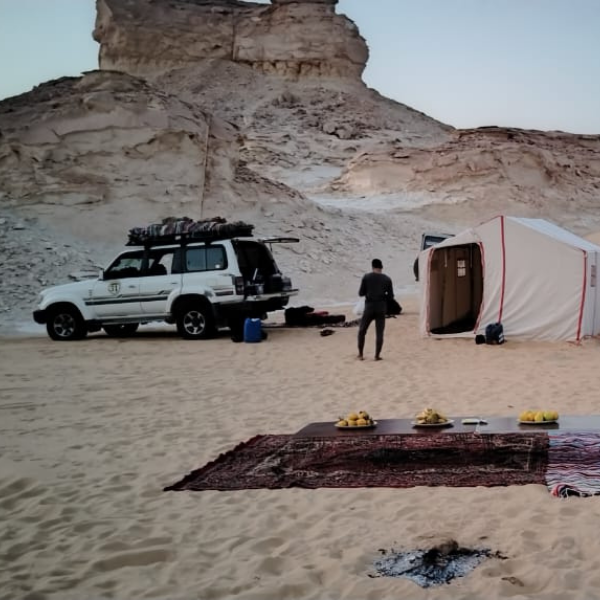
Organized camps should have a waste-management system.


Ask your operator how waste is handled.


That’s a very revealing question.

Rule 9: Don't Leave Toilet Waste Carelessly

Remote camping naturally creates bathroom questions.


Facilities vary between operators and approved camp areas.


The key conservation principle is that human waste and toilet paper must be managed according to current camp and protected-area procedures.


Do not assume:


“It’s a giant desert, anywhere is fine.”


Follow your guide.


Our upcoming dedicated guide White Desert Camping Toilets, Showers & Facilities will cover the practical side in detail.


For the broader camping experience, see our Guida al campeggio nel Deserto Bianco.

Rule 10: Don't Drive Wherever You Want

This is one of the most important White Desert conservation issues.


A 4×4 can create environmental damage much faster than a person walking.


The official White Desert management plan identifies uncontrolled off-road tracks as a management issue and calls for:


closing sensitive areas,

controlling routes,

using permitted tracks,

and coordinating a driving code with safari operators.


In recreational zones described by the plan, vehicle access is restricted to designated and marked tracks.


So:


4×4 does not mean drive anywhere.

Why Vehicle Tracks Matter in a Desert

A common assumption is:


“It’s just sand. The tracks will disappear.”


Sometimes they do.


Sometimes they don’t.


Vehicles can affect:


desert crust,

vegetation,

wildlife habitat,

archaeological material,

and landscape quality.


Repeated vehicles also create new informal tracks.


Soon one road becomes:


five roads.


That’s why responsible drivers follow current permitted routes.

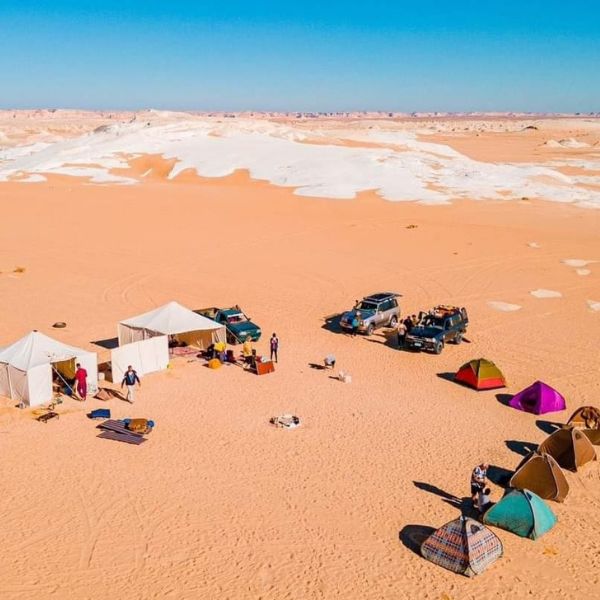
Rule 11: Camping Is Not Automatically Allowed Everywhere

This point matters a lot.


The published EEAA White Desert management plan uses different conservation zones with different access levels.


For example, the plan describes:


Strict Nature Zones


No public vehicle access and no camping.


Premium Wilderness Zones


Very limited access and stronger protection.


Recreational Zones


Vehicle access on designated tracks, with camping in designated areas/zones under protected-area management.


However, that management plan was developed for an earlier management period, so travelers should not treat an old zoning document as a substitute for current instructions.


The practical rule in 2026 is:


Camp only where your authorized guide/operator confirms current camping is allowed.

Can You Pick Your Own Beautiful Campsite?

Not necessarily.


You may see an incredible formation and think:


“This would be perfect.”


But:


fragile geology,

protected zones,

wildlife habitat,

current permits,

or operational rules


may make another camp location more appropriate.


Your guide should select a site that balances:


experience,

safety,

and conservation.

White Desert Camping Fees

Egypt’s Environmental Affairs Agency currently publishes a protected-area fee schedule that includes the White Desert and separates charges for:


entry,

camping,

and vehicles.


The agency also notes that protected-area fee pages are being updated, so current charges should be confirmed close to your trip.


A good tour operator should tell you whether official protected-area fees are:


included

or

paid separately.


Don’t compare safari prices without checking this.

Do You Need a Permit to Visit the White Desert?

Current travel guidance says advance arrangements are required.


As of October 2026, UK FCDO guidance states that tourists entering:


Bahariya Oasis,

Farafra,

the White Desert,

and Black Desert

must apply for permits in advance and use an official guide.


Egypt’s official tourism portal also tells travelers to check permits and regulations with an authorized guide or travel agency before desert excursions.


Requirements can change.


So don’t treat a blog post from 2019 as your permit authority for a 2027 trip.

Do You Need a Licensed Tour Company?

For most international travelers:


this is the practical and currently recommended approach.


The U.S. State Department currently advises against Western Desert travel unless using a professionally licensed tour company and specifically says the Black and White Deserts should only be visited with a licensed company.


Egypt’s official tourism portal similarly encourages visitors to use specialized and licensed operators around Farafra.


That isn’t only about paperwork.


Experienced operators handle:


vehicles,

drivers,

navigation,

permits,

camping,

food,

water,

and emergency logistics.

Can You Visit the White Desert Independently?

This is not a place where I would recommend arriving with:


a rental car,

Google Maps,

two bottles of water,

and optimism.


The White Desert is remote.


Current access arrangements involve permits and official guiding.


Phone reception can be limited.


Advanced medical facilities are far away.


Road and track conditions vary.


Use proper local arrangements.


Our detailed Can You Visit the White Desert Without a Tour? article later in this cluster will examine the question in depth.

Can You Fly a Drone in the White Desert?

Do not assume so.


Egypt regulates drones.


The Egyptian Ministry of Civil Aviation’s current FAQ says bringing a drone from abroad for personal use requires approval through the Ministry of Defense followed by an application for a Civil Aviation flight permit.


The Ministry of Civil Aviation also operates a formal drone-flight permit process.


And that’s before considering protected-area or site-specific restrictions.


So:


Don’t arrive at the White Desert with a drone and assume empty sky means unrestricted airspace.


Confirm all required approvals before bringing or flying one.

Can You Take Normal Photos?

Yes.


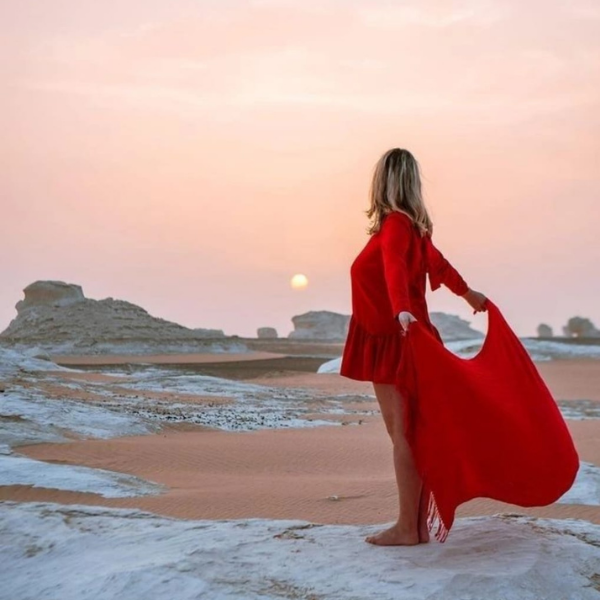
Normal tourist photography is one of the joys of the White Desert.


You can photograph:


chalk formations,

sunset,

camp,

stars,

4x4s,

and landscapes


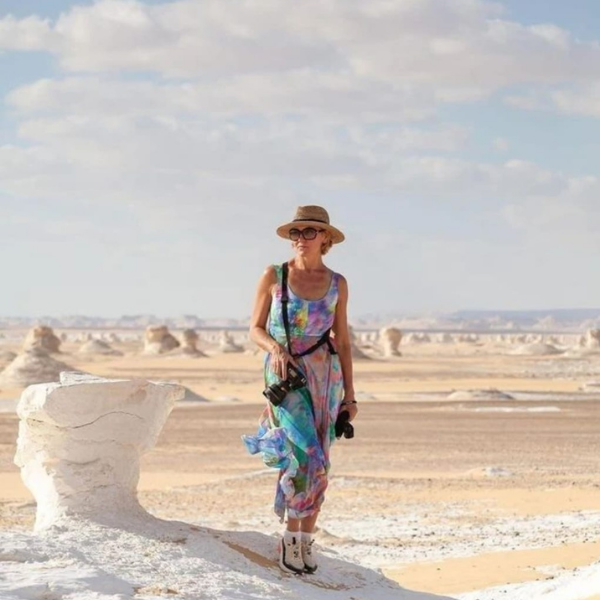
without physically damaging the environment.


For dedicated photography planning, use our Consigli per fotografare il Deserto Bianco.


For light conditions, see the White Desert Sunrise & Sunset Guide.

Photography Rule: The Photo Is Not More Important Than the Rock

Don’t:


climb fragile formations,

move geological objects,

drive a vehicle beside a formation for scale,

or damage a site because your composition would look better.


If the perfect Instagram image requires harming the location:


it’s not the perfect image.

Can You Touch the White Desert Formations?

Normal proximity isn’t the same as deliberate damage.


But unnecessary touching, scraping and climbing should be minimized.


Chalk can be soft and fragile.


Thousands of visitors repeatedly touching one iconic formation can have an effect.


A useful rule is:


Look more. Touch less.

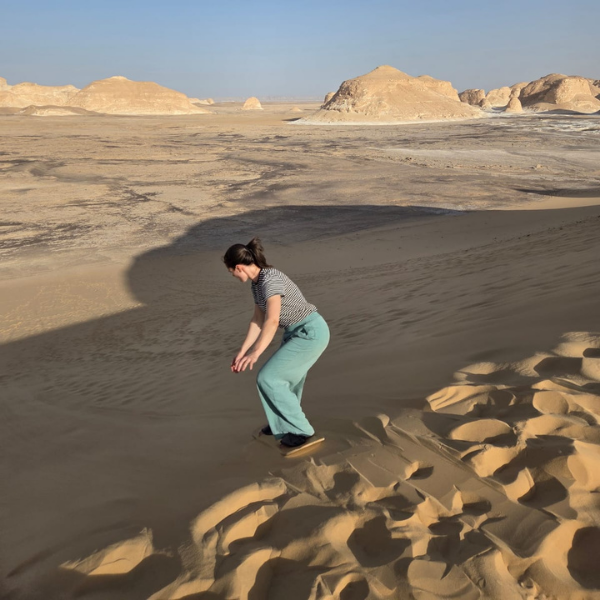
Can You Sandboard?

Sandboarding is included in some Western Desert safari itineraries.


But activity locations should be selected by your authorized guide according to current access and protected-area rules.


Do not drag boards across fragile chalk or protected geological formations.


Use appropriate dunes.

Can You Hike in the White Desert?

Yes, walking is one of the best ways to appreciate the landscape.


Official Egyptian tourism information describes White Desert excursions ranging from one to ten nights and involving:


camping,

hiking,

camel riding,

and 4×4 exploration.


But the existence of hiking doesn’t mean every zone is unrestricted.


Follow your guide and current access rules.

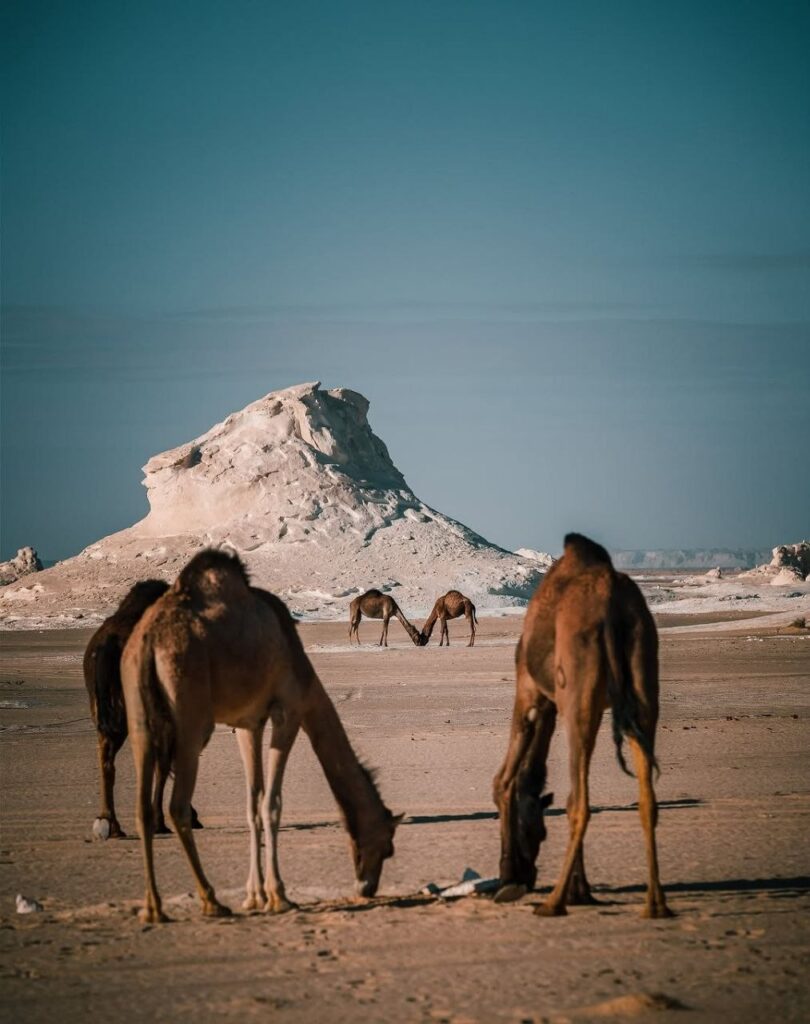
Can You Ride Camels?

Camel-based desert travel is also part of the area’s tourism history.


The official tourism portal lists camel riding among the ways visitors can explore the White Desert.


Longer camel safaris can create a very different experience from a 4×4 itinerary.


They move slower.


They also make route planning, water and camping logistics much more important.

Where Is the White Desert?

The White Desert lies in Egypt’s Western Desert in New Valley Governorate near Farafra Oasis.


Egypt’s official tourism portal places it approximately:


40 km from Farafra.


Farafra is therefore the closest major oasis.


However, many tours from Cairo approach the wider White Desert route through:


Oasi di Bahariya

because Bahariya lies farther north and closer to Cairo.

For that route, see our Bahariya Oasis to White Desert Guide.

Bahariya or Farafra: Which Is the Gateway?

Both can be.


It depends on where you’re coming from.


From Cairo


Bahariya is commonly used.


The route can continue through:


Black Desert,

Crystal Mountain,

Agabat,

and White Desert.


From New Valley / Farafra


Farafra is geographically much closer to the protected area.


The official Egyptian tourism portal specifically describes Farafra as an ideal starting point for desert excursions.


So avoid absolute statements like:


“The only gateway to White Desert is Bahariya.”


It isn’t.

How Far Is the White Desert from Cairo?

The current EEAA protected-area listing gives approximately:


570 km from Cairo


for the protected area.


Actual tourist routes vary because most visitors do not simply drive directly to one boundary point.


A Cairo-based safari may travel:


Cairo → Bahariya → desert attractions → White Desert.


That is why trip duration matters more than a simple highway distance.


Read our Cairo to White Desert Egypt Guide for the full route.

Best Way to Visit

For most first-time travelers:


2 days / 1 night


is the classic minimum.


This lets you experience:


Bahariya,

Black Desert,

Crystal Mountain,

Agabat Valley,

White Desert,

sunset,

camping,

stars,

and sunrise.


Explore the Tour con pernottamento nel Deserto Bianco da Il Cairo.


Is 3 Days Better?


For photographers and desert lovers:


yes.


A Tour di 3 giorni nel Deserto Bianco da Il Cairo provides:


a slower pace,

additional exploration,

more photography,

and potentially two desert nights.


That can reduce pressure to rush between protected landscapes simply to check attractions off a list.

What Should a Responsible Tour Operator Do?

A good operator should think beyond:


getting you there.


Look for an operator that handles:


permits,

authorized guiding,

appropriate routes,

4×4 logistics,

waste,

camping sites,

water,

food,

and visitor safety.


Ask:


Where does your camp rubbish go?

Are protected-area fees included?

Who arranges permits?

Do vehicles follow approved routes?

What toilet system is used?

What happens if access changes?


A responsible operator should have answers.

Visitor Safety Inside the Protected Area

Conservation and safety overlap.


The White Desert is remote.


Current UK travel guidance notes limited phone reception and poor medical facilities in Bahariya, Farafra and the White/Black Desert region.


That means you should:


stay with your group,

carry essential medication,

tell guides before walking away from camp,

keep water accessible,

and not rely on continuous mobile data.


Our Guida alla sicurezza nel Deserto Bianco in Egitto covers this separately.

Don't Wander Away from Camp at Night

The landscape looks completely different after dark.


White formations become:


grey,

black,

or invisible.

Distances become harder to judge.

Tracks disappear.


A photographer can walk much farther than expected while chasing:


“just one more composition.”

Tell your guide.

Carry a light.

Stay aware of camp position.

What Should You Pack?

Responsible travel also means arriving prepared.


Bring:


sun protection,

closed shoes,

warm night layers,

personal medication,

reusable water bottle,

power bank,

toiletries,

and appropriate camera protection.


If you prepare properly, you’re less likely to create emergency situations or rely on disposable items.


Use our full Cosa portare nel Deserto Bianco in Egitto checklist.

Best Time to Visit

The cooler season is generally easier for:


walking,

4×4 exploration,

camping,

sunset photography,

and sleeping outdoors.


Summer can be extremely demanding.


But regardless of season, the desert requires:


sun protection during the day

and

temperature awareness after sunset.


Use our Il periodo migliore per visitare il Deserto Bianco in Egitto guide for seasonal planning.

Why Responsible Tourism Helps Local Communities

Protected areas are not only about keeping people out.


Successful conservation can support nearby communities.


The White Desert management plan explicitly connects sustainable ecotourism with economic benefits for oasis residents, including work as:


guides,

tourism operators,

local service providers,

and handicraft producers.


Choosing professional local operators therefore supports both:


visitor logistics

and

local economies connected to conservation.

Don't Treat Local Guides as Just Drivers

A good desert guide understands:


routes,

geology,

weather,

camp locations,

safety,

local culture,

and protected-area procedures.


That knowledge matters.


The official management plan specifically discusses improving environmental training for guides and safari drivers because they play an important role in protecting resources.


Ask questions.


Learn from them.

The White Desert Is Not an Adventure Playground

You can absolutely have adventures here.


Drive a 4×4.


Camp.


Hike.


Photograph stars.


Explore formations.


But adventure doesn’t mean:


no rules.


The White Desert remains spectacular partly because large portions still retain a natural wilderness character.


Responsible travel is what allows adventure tourism to continue without destroying the thing people came to see.

White Desert Rules: Simple Visitor Checklist

Before entering the protected area, remember:


  1. Use the required permits and authorized guide/operator.
  2. Do not remove rocks, fossils, plants or other natural material.
  3. Do not break or damage chalk formations.
  4. Do not carve or write on rocks.
  5. Do not disturb or feed wildlife.
  6. Do not collect desert vegetation for firewood.
  7. Take rubbish out; never dump or bury it.
  8. Follow permitted vehicle routes and guide instructions.
  9. Camp only where current rules allow.
  10. Do not assume drones are permitted.
  11. Respect archaeological and prehistoric sites.
  12. Do not create new vehicle tracks for photographs.
  13. Keep camp impacts minimal.
  14. Follow current protected-area instructions even if an old blog says otherwise.
  15. Leave the White Desert looking like you were never there.

What Happens If Visitors Ignore the Rules?

Egypt’s protected-area law provides enforcement powers and penalties for violations.


The White Desert management framework also calls for:


patrols,

monitoring,

law enforcement,

and penalties for damaging activities.


But the bigger point isn’t:


“Don’t do it because you’ll get caught.”


It’s:


“Don’t destroy a place you’re paying to experience.”

Rules Can Change

This is one of the most important parts of the entire guide.


Desert access can change because of:


security conditions,

environmental management,

protected-area zoning,

road conditions,

permit procedures,

and government decisions.


That’s why the official Egyptian tourism authority tells travelers to check current permits and regulations through an authorized guide or travel agency before entering desert excursion areas.


Always reconfirm shortly before departure.

What About Old Blog Posts Saying No Permit Is Needed?

Treat them cautiously.


Access conditions have changed at different times.


Even the White Desert’s older management plan contains historical policy proposals that may not match today’s operational arrangements.


For current trip planning, prioritize:


Egyptian authorities,

current protected-area instructions,

your licensed operator,

and recent official travel guidance.


A travel blog from 2014 is not a permit.

White Desert Entrance & Camping Costs

There are several components that can affect what you pay:


protected-area entrance,

vehicle charges,

camping fees,

guide/operator costs,

4×4,

food,

equipment,

and transportation.


EEAA currently publishes a separate official fee schedule for protected areas including the White Desert.


Because fees can be revised, ask your operator:


“Are current White Desert entrance, vehicle and camping fees included in my tour price?”


That produces a more useful answer than relying on an old dollar figure from Google.


For broader trip pricing, see our White Desert Egypt Cost Guide.

White Desert vs Black Desert Protection

The Black Desert around Bahariya also includes officially protected natural heritage.


Egypt’s Environmental Affairs Agency announced protected areas in the Bahariya region including parts of the Black Desert in 2010, citing geological heritage, biodiversity, springs and sustainable ecotourism.


So responsible behavior doesn’t begin only after you reach the white chalk.


The entire Western Desert route deserves respect.


Read our Black Desert Egypt Guide for that landscape.

Crystal Mountain Needs Protection Too

The same principle applies at Crystal Mountain Egypt.


A crystal becomes tempting because it’s small.


But if every visitor takes:


one crystal,

one fossil,

one piece of chalk,

geological sites slowly become souvenir mines.


Don’t contribute.

Agabat Valley Needs the Same Respect

Agabat’s huge scale can create another illusion:


that vehicle tracks don’t matter because the landscape is enormous.


They do.


Use established/permitted routes and follow local guides.


Read our Agabat Valley Egypt Guide before visiting.

Sample Responsible 2-Day White Desert Trip

Day 1 — Cairo to Bahariya


Leave Cairo early.

Reach Bahariya.

Meet the local desert team.

Confirm current permits and route.


Deserto Nero


Stay on approved routes.

Photograph without collecting geological material.


Montagna di Cristallo


Observe.

Photograph.

Do not remove crystals.


Agabat Valley


Explore on permitted routes.

Avoid unnecessary vehicle tracks.


Il Deserto Bianco


Walk around formations carefully.

Do not climb fragile chalk structures.


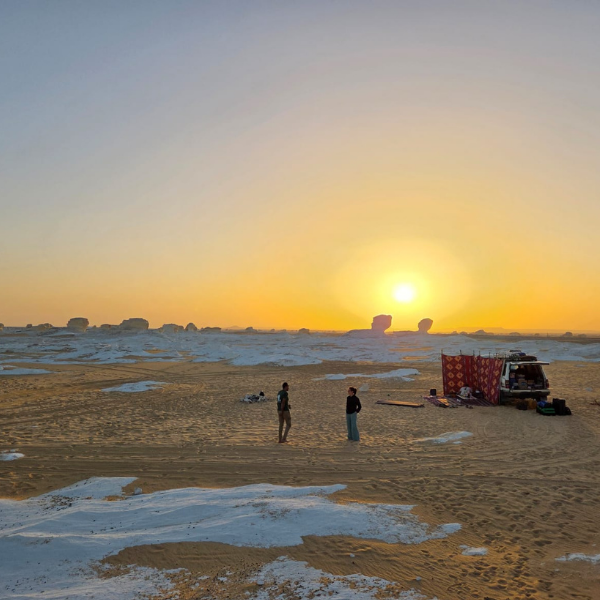
Sunset


Photograph the landscape without moving natural material for compositions.


Camp


Use the designated/approved camp area selected by the guide.

Manage waste properly.

Use fuel brought from outside rather than desert vegetation.


Night


Enjoy stars.

Limit unnecessary light.

Avoid wandering far from camp.


Day 2 — Sunrise


Photograph responsibly.

Leave formations untouched.


Breakfast & Departure


Pack all rubbish.

Leave no camping debris.

Return toward Bahariya.

That’s what responsible desert tourism should look like.

Why Conservation Makes the Trip Better

Rules can sound like restrictions.

But think about what they protect.

Because someone didn’t remove every fossil:

you can still find them.

Because someone didn’t carve every formation:

you can still photograph clean white rock.

Because vehicles don’t have unrestricted access everywhere:

parts of the desert can remain wilderness.

Because camps remove waste:

you can watch sunrise without plastic bottles in your photograph.

Conservation doesn’t reduce the White Desert experience.

It protects it.

Is White Desert National Park Worth Visiting?

Absolutely.


But visit it for what it actually is:


not an amusement park,

not a quarry,

not a free campsite,

and not an unlimited off-road driving area.


It is one of Egypt’s most unusual protected landscapes.


The white chalk.

Mushroom rocks.

Ancient marine geology.

Fossils.

Desert wildlife.

Silence.

Sunset.

Stars.

Sunrise.


Those are exactly the reasons it deserves protection.

Plan Your White Desert Protected Area Visit

For most visitors starting in Cairo, the easiest experience is an organized Western Desert safari through Bahariya.


Start with our Safari nel Deserto Bianco dal Cairo.


For one night beneath the stars, explore the Tour con pernottamento nel Deserto Bianco da Il Cairo.


For a slower trip, use the Tour di 3 giorni nel Deserto Bianco da Il Cairo.


You can compare wider options through our Egypt Desert Safari Packages and all Egypt Desert Dunes tours.


Before departure, always confirm:


current permits,

protected-area fees,

authorized routes,

camping arrangements,

and any activity-specific permissions.


Then visit the White Desert the way a protected landscape deserves to be visited:


experience everything, damage nothing, and take only photographs.

- Tours Carousel
✓ Available on Viator

Book Egypt Desert Dunes Tours on Viator

Discover our private White Desert camping adventures and Siwa Oasis experience. Choose your favorite itinerary and complete your reservation securely through Viator.

✓ Private Tours
✓ Cairo Pickup
✓ Mobile Ticket
✓ English Speaking Team
✓ Book Through Viator
4-Day Private White Desert Camping Tour from Cairo by Egypt Desert Dunes
✓ Book on Viator
Tour privato
White Desert • Bahariya Oasis • Egypt
⏱ 4 Days / 3 Nights ★ 5.0 (4 Reviews)

4-Day Private Camping Tour in the White Desert from Cairo

Go deeper into Egypt's Western Desert with a private four-day camping adventure including spectacular desert landscapes, Black Desert, White Desert, open-air meals and three nights beneath the stars.

Cairo Pickup Tour privato Campeggio nel deserto Meals Included
Reference price from
€588 / person*
Check Viator for today's live price
View on Viator →
2-Day 1-Night White Desert Camping Tour from Cairo by Egypt Desert Dunes
✓ Book on Viator
Best Short Trip
White Desert • Black Desert • Egypt
⏱ 2 Days / 1 Night ★ 5.0 (3 Reviews)

2-Day, 1-Night Camping Tour in White Desert from Cairo

Our most compact White Desert adventure for travelers who want to experience the desert from Cairo, explore its unique landscapes and spend an unforgettable night camping beneath the stars.

1 Night Camping Cairo Pickup Breakfast Lunch & Dinner
Reference price from
€197 / person*
Price varies by date and group size
View on Viator →
3-Day Private White Desert Camping Tour from Cairo by Egypt Desert Dunes
✓ Book on Viator
Popular Choice
Black Desert • Aqabat • White Desert
⏱ 3 Days / 2 Nights ★ 5.0 (5 Reviews)

3-Day Private Camping Tour of White Desert from Cairo

Spend three days exploring the Western Desert, including the Black Desert, Crystal Mountain, Aqabat area and White Desert, with two nights of private desert camping.

2 Nights Camping Deserto Nero Il Deserto Bianco Private Experience
Reference price from
€394 / person*
Check Viator for today's live price
View on Viator →
4-Day Siwa Oasis Trip from Cairo by Egypt Desert Dunes
✓ Book on Viator
Siwa Experience
Siwa Oasis • Western Desert • Egypt
⏱ 4 Days Egypt Desert Dunes • 14 Operator Reviews

Siwa Oasis Trip with Cairo Pick Up

Travel from Cairo to legendary Siwa Oasis on a private four-day journey exploring Siwan culture, desert landscapes, Lake Siwa, traditional sites and some of the oasis's most distinctive attractions.

4 Days Cairo Pickup Siwa Hotel Meals Included
Reference price from
$1,150 / adult*
Check Viator for today's live price
View on Viator →
*Important: Prices shown above are reference “from” prices observed while reviewing the listings and may change based on travel date, number of travelers, availability, currency and Viator pricing. Click “View on Viator” for the current final price before booking.

Explore Egypt's Desert with Egypt Desert Dunes

From a one-night White Desert camping adventure to extended Western Desert and Siwa Oasis experiences, choose the itinerary that matches your travel style and complete your booking through Viator.

Explore Our Tours →
Plan Your Desert Adventure

Book a Tour or Create Your Own Egypt Experience

Choose one of our ready-made tours or customize your own private journey. Select your destinations, duration and travel style, then send your request directly to Egypt Desert Dunes on WhatsApp.

Book Your Desert Tour

Select your preferred itinerary and send us your travel details. Our team will reply on WhatsApp with availability and the final quote.

Choose Your Tour *
Please select a tour and complete your name, travel date and number of travelers.
Your booking request will open directly in WhatsApp. No payment is made through this form.

Create Your Own Private Egypt Tour

Combine Cairo, Giza, Fayoum, the Western Desert and Siwa in one custom itinerary. Choose the destinations and experiences you want and our team will recommend the best route based on your available days.

Which Places Would You Like to Visit? *
Select as many destinations as you like. Egypt Desert Dunes will recommend the best route according to your trip duration.
What Are You Most Interested In?
Please enter your name, number of travelers, trip duration and select at least one destination.
Egypt Desert Dunes will review your selections and send you a customized itinerary and quotation on WhatsApp.
Recensioni dei viaggiatori

Cosa dicono i nostri ospiti su TripAdvisor

Esperienze reali di viaggiatori che hanno esplorato i deserti, le oasi e le meraviglie culturali dell'Egitto con Egypt Desert Dunes. Leggi le loro recensioni su TripAdvisor e scopri perché i nostri ospiti ci scelgono per safari privati nel deserto, avventure in campeggio e tour indimenticabili in Egitto.

FAQ — White Desert National Park Egypt

Is the White Desert a national park? +

“White Desert National Park” is a common English tourism name and appears in older official management material. The current Egyptian Environmental Affairs Agency listing calls it the White Desert Natural Protected Area and classifies it as a landscape protected area.

When was the White Desert declared a protected area? +

The White Desert was officially declared a protected area in 2002.

How large is the White Desert Protected Area? +

The current EEAA listing gives an official area of approximately 3,133.5 square kilometres.

Where is the White Desert Protected Area? +

It lies in New Valley Governorate in Egypt's Western Desert, near Farafra Oasis.

How far is the White Desert from Farafra? +

Egypt's official tourism portal places the White Desert approximately 40 km from Farafra.

How far is the White Desert from Cairo? +

The EEAA currently lists the protected area as approximately 570 km from Cairo, although tourist routes vary according to the gateway and safari itinerary.

Do you need a permit for the White Desert? +

Current travel guidance says tourists entering the White Desert and related Western Desert areas should arrange permits in advance and use an official guide. Requirements should be reconfirmed before travel.

Do you need a guide to visit the White Desert? +

Current official travel guidance recommends or requires authorized/licensed guiding arrangements for tourists visiting the relevant Western Desert areas.

Can you take rocks from the White Desert? +

No. Egyptian protected-area law prohibits taking or moving rocks from protected areas.

Can you collect fossils in the White Desert? +

No. Fossil and prehistoric-material collection is specifically identified as a conservation and enforcement issue in the White Desert management plan.

Can you take crystals from Crystal Mountain? +

Visitors should leave geological material where they find it. Do not remove crystals, rocks or fossils from protected natural sites.

Can you climb White Desert rock formations? +

Avoid climbing fragile chalk formations. Egyptian law protects geological formations from damage, and repeated climbing can accelerate erosion.

Can you write your name on White Desert rocks? +

No. Graffiti and rock writing damage the protected landscape and are specifically addressed as violations in the protected-area management plan.

Can you drive anywhere in the White Desert? +

No. Vehicle access is controlled. Published management guidance restricts vehicles to designated routes in visitor zones and identifies uncontrolled off-road tracks as a conservation issue.

Can you camp anywhere in the White Desert? +

No. Camping depends on protected-area zoning, current permits and approved locations. Follow your authorized guide's instructions.

Are campfires allowed? +

Do not assume unrestricted fires are allowed. Follow current operator and protected-area rules, and never collect local desert plants for fuel.

Can you collect firewood in the White Desert? +

No. Official management guidance calls for visitors and operators to use fuel or wood supplied from outside the protected area rather than collecting native plants.

Can you leave or bury rubbish in the desert? +

No. Protected-area management guidance prohibits dumping or burying waste and calls for inorganic rubbish to be removed from the protected area.

Can you feed wildlife in the White Desert? +

You should not feed or disturb wild animals. Egyptian protected-area law protects wildlife against disturbance and harm.

Can you fly a drone in the White Desert? +

Do not assume so. Egypt regulates drones, and official Civil Aviation guidance says personal drone import/use requires government approvals and a flight permit. Protected-area permissions may also apply.

Are there White Desert entrance fees? +

Yes. EEAA publishes a fee schedule covering entrance, camping and vehicles for the White Desert. Fees can change, so confirm the current amount and whether it is included in your tour.

Is camping legal in the White Desert? +

Camping is possible in appropriate authorized areas, but not every part of the protected area is open to camping. Current site instructions and permit conditions should be followed.

Can you visit the White Desert without a tour? +

For most international visitors, an authorized organized safari is the practical approach because of current permit requirements, remote terrain, limited communications and the need for local route knowledge.

Why is the White Desert protected? +

It is protected for its exceptional chalk formations, karst landscape, fossils, wildlife, archaeological remains, prehistoric heritage and scenic value.

What is the most important White Desert rule? +

Leave the landscape as you found it: do not remove, damage, carve, disturb or pollute anything.

Lascia un commento

Il tuo indirizzo email non sarà pubblicato. I campi obbligatori sono contrassegnati *