Siwa Oasis Salt Lakes Egypt: Swimming Tips, Locations & Visitor Guide
The Siwa Oasis Salt Lakes are among Egypt’s most extraordinary natural attractions, famous for their brilliant turquoise water, white salt formations, and remarkable floating experience.
Hidden within the landscapes of Egypt’s Western Desert, these highly saline pools have become one of the main reasons international travelers visit Siwa Oasis.
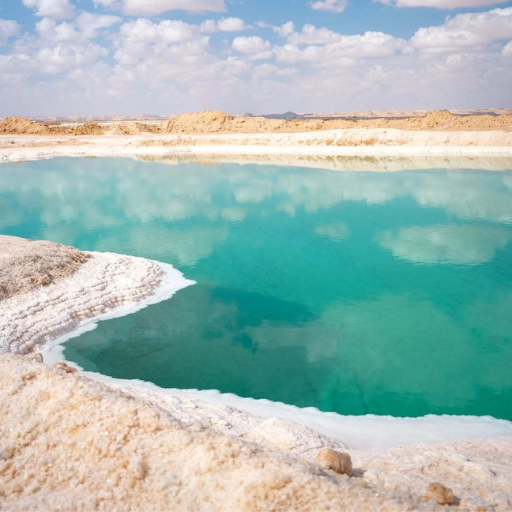
Imagine standing beside a crystal-blue pool surrounded by white salt crystals, with palm groves, desert scenery, and distant mountains creating a spectacular natural backdrop.
Now imagine entering the water and discovering that its unusually high salt concentration makes your body remarkably buoyant.
This is what makes floating in the Siwa Salt Lakes such a memorable experience.
However, visiting these pools requires more preparation than simply arriving with a swimsuit.
The salt formations can be sharp, the water can irritate your eyes and skin, and not every pool is suitable or permitted for swimming.
Travelers should also understand that Siwa’s famous turquoise pools are closely connected to the region’s natural salt deposits and salt extraction activities.
Can you swim in the Siwa Salt Lakes? Yes, visitors can float in selected pools where access and water conditions allow. However, the high salinity does not eliminate drowning risks, and you should enter only locations confirmed as suitable by knowledgeable local guides.
In this complete Siwa Salt Lakes guide, you will discover where the pools are located, why the water is so salty, how floating works, what to pack, the best time to visit, and how to include the experience in a private Siwa Oasis tour from Cairo.
If you are planning your first visit to the region, begin with our complete Siwa Oasis Egypt travel guide.
Siwa Oasis Tour from Cairo – 4 Nights / 5 Days
Egypt Desert Dunes Explore the Journey Stop 01 Salt Lake Swipe photos ‹ › Salt Lake Salt Lake Salt Lake Salt Lake Salt Lake…
Siwa Oasis 4 Days Tour from Cairo
Egypt Desert Dunes Explore the Journey Stop 01 Salt Lake Swipe photos ‹ › Salt Lake Salt Lake Salt Lake Salt Lake Salt Lake…
Siwa Oasis Salt Lakes: Quick Facts
Before planning your visit, here are the essential details.
Question | Answer |
Where are the Siwa Salt Lakes? | Siwa Oasis, Egypt’s Western Desert |
What makes them famous? | Turquoise water, white salt formations, and high buoyancy |
Can tourists swim? | In selected accessible pools where swimming is permitted and conditions are suitable |
Is the water freshwater? | No, the pools are extremely saline |
Why do people float? | Dissolved salts increase the water’s density |
Are all pools safe? | No, conditions vary considerably |
Are lifeguards available? | Do not assume lifeguard supervision is available |
What should you bring? | Swimwear, towel, water shoes, sun protection, and freshwater for rinsing |
How long should you allow? | Approximately 1–2 hours for a relaxed visit, depending on the route |
Best general travel season | October to April |
Can you visit from Cairo in one day? | Not realistically as a comfortable sightseeing trip |
Can you include them in a guided Siwa tour? | Yes, subject to the confirmed itinerary |
Important: The salt lakes are not one standardized swimming attraction. Access, depth, water quality, road conditions, and facilities can differ between individual pools.
Where Are the Siwa Salt Lakes Located?
The Siwa Salt Lakes are located around Siwa Oasis in Egypt’s Western Desert, within Matrouh Governorate.
Siwa lies near Egypt’s western border region and is surrounded by desert landscapes, natural springs, agricultural areas, and saltwater lakes.
Unlike the Nile Valley or Egypt’s Red Sea resorts, Siwa has a distinctive geographical environment.
Its landscapes include palm groves, olive trees, freshwater springs, salt flats, ancient settlements, and large desert dunes.
The famous turquoise salt pools are found within the wider salt-lake and salt-extraction landscape around the oasis.
Some accessible locations are reached by local roads or tracks, while others may require suitable vehicles and local knowledge.
Are the Siwa Salt Lakes One Large Lake?
No.
This is one of the most common misunderstandings among first-time visitors.
The famous photographs showing small, bright-blue pools surrounded by white salt do not necessarily depict one continuous lake.
Siwa contains larger saline lakes as well as smaller basins associated with salt extraction.
Some of these smaller pools have become popular photography and floating locations.
Their appearance varies according to water depth, salt concentration, weather, light, and surrounding mineral deposits.
That means the precise pool visited during a guided excursion may differ from the one seen in a particular photograph online.
Can You Find the Pools Using Google Maps?
You can locate the wider salt-lake areas on digital maps.
However, an online map pin does not guarantee that a particular basin is accessible, open to visitors, or suitable for swimming.
Some pools are located near active or former salt extraction areas.
For this reason, visiting with a knowledgeable local guide is generally more practical than navigating between individual pools independently.
Travelers unfamiliar with the region can also read our Cairo to Siwa Oasis transportation guide before planning their journey.
Why Are the Siwa Salt Lakes So Salty?
The extreme salinity of the Siwa Salt Lakes is connected to the oasis’s geology, groundwater conditions, evaporation, and mineral deposits.
Siwa lies within an arid desert environment.
Water entering saline basins can become increasingly concentrated as evaporation removes water while leaving dissolved salts behind.
The surrounding geological materials also contribute to the mineral composition of the water.
Salt extraction activities have created or modified some of the smaller basins visible in photographs of the region.
As a result, the landscape contains striking combinations of bright water and white crystalline deposits.
How Does Evaporation Affect Salinity?
Imagine a shallow basin containing salty water.
Under the desert sun, some of the water gradually evaporates.
The dissolved salts remain.
As more water evaporates, the remaining water can become increasingly saline.
Under suitable conditions, minerals begin forming visible salt crystals.
This helps explain the brilliant white deposits around many of Siwa’s famous pools.
However, the salinity is not identical everywhere.
Different basins may have different water chemistry, depths, and concentrations.
Scientific studies of Siwa’s groundwater system also show that evaporation, mineral dissolution, groundwater movement, and interactions between aquifers influence the area’s salinity.
For additional scientific background, see this hydrogeological research on groundwater salinity in Siwa Oasis.
Why Are the Siwa Salt Lakes Turquoise Blue?
The remarkable blue and turquoise appearance of the lakes is one of their most attractive features.
Several environmental and optical factors influence how the water appears.
These include water depth, clarity, the surrounding pale salt deposits, sunlight, and viewing angle.
The white mineral surfaces around the pools create a strong visual contrast with the water.
Under bright daylight, some pools can look almost electric blue.
At other times, the color may appear greener, darker, or less intense.
Do the Lakes Always Look Like Instagram Photos?
Not necessarily.
Photographs can exaggerate colors through editing, lighting, or camera settings.
The appearance of a specific pool also depends on the weather and water conditions.
A location that appears brilliant turquoise in a photograph may look different during another season or at a different time of day.
If photography is your main reason for visiting, ask your guide about suitable viewing locations and the available light.
Avoid choosing a dangerous or restricted pool simply because it resembles a popular social media photograph.
Can You Swim in the Siwa Salt Lakes?
Yes, swimming and floating in selected Siwa Salt Lakes is a well-known visitor experience. However, it is important to distinguish gentle floating from conventional swimming in a supervised recreational pool.
The water in many Siwa salt pools is extremely saline.
This creates unusual buoyancy.
Visitors often discover that they can remain near the surface with relatively little effort.
But that does not mean the water is risk-free.
Some pools may have steep sides, sharp salt crystals, slippery surfaces, or considerable depth.
Water quality and accessibility also vary.
There may be no lifeguards, marked swimming areas, rescue equipment, or standardized visitor facilities.
What Is Floating in the Siwa Salt Lakes Like?
The experience feels different from swimming in a normal freshwater pool.
When you enter highly saline water, your body experiences greater buoyancy.
Many people find that floating on their back requires less effort than expected.
The sensation can be surprising, particularly for visitors experiencing it for the first time.
However, it is best to move slowly and maintain control.
Never assume that floating easily means you cannot drown.
Should You Swim Normally?
Gentle floating is generally more appropriate than vigorous swimming in an extremely salty pool.
Splashing can send concentrated saltwater into your eyes.
The water may also irritate your nose, mouth, and sensitive skin.
You should avoid diving, jumping, or putting your head underwater.
Before entering, ask your guide whether that specific pool is appropriate for visitors.
How to Float in the Siwa Salt Lakes
If your guide confirms that a particular pool is suitable for swimming, approach the experience carefully.
Step 1: Choose a Suitable Pool
Never enter a random salt-extraction basin.
Ask your local guide to identify an accessible location where swimming is permitted and conditions are appropriate.
Check the entry point and surrounding ground.
Step 2: Enter Slowly
Salt-encrusted edges can be sharp or unstable.
Use appropriate water shoes where practical.
Avoid jumping directly into the water.
Do not enter unless you understand the depth and have a safe way to exit.
Step 3: Keep Your Face Above Water
The high salt concentration can cause intense discomfort if water enters your eyes.
Avoid splashing.
Keep your head comfortably above the surface.
Step 4: Try a Relaxed Floating Position
If you are comfortable in the water, gently lean back while maintaining control.
The saline water may support your body more than freshwater.
Do not attempt this alone or use it as a substitute for swimming ability and proper supervision.
Step 5: Exit Carefully
Return slowly to the approved exit point.
Be cautious around slippery or sharp salt deposits.
Step 6: Rinse Afterward
Rinse your skin with clean freshwater when a suitable facility or supply is available.
Change into dry clothing if possible.
Avoid rubbing salt crystals against your skin.
Safety reminder: If you cannot swim, do not rely on saltwater buoyancy as a safety measure. Discuss your needs with the guide and use an appropriate approved flotation device where necessary.
Are the Siwa Salt Lakes Safe for Tourists?
The Siwa Salt Lakes can provide an enjoyable visitor experience, but not every pool should be considered safe for swimming.
Their striking appearance can conceal several hazards.
- Sharp Salt Crystals
The white formations around the pools may look soft in photographs.
In reality, crystallized salt can be hard and sharp.
Walking barefoot across these surfaces may cause cuts or abrasions.
Supportive water shoes can help, although they do not eliminate every risk.
- High Salt Concentration
Extremely salty water can irritate sensitive skin.
Even small cuts may sting considerably.
Avoid entering immediately after shaving or if you have open wounds.
- Eye Irritation
Getting concentrated saltwater in your eyes can cause significant discomfort.
Keep your face above the surface.
If saltwater enters your eyes, rinse gently with clean water.
Seek medical attention if irritation persists or vision is affected.
- Uneven Depth
The apparent clarity of the water does not guarantee shallow conditions.
Some basins may have steep sides or unexpectedly deep sections.
Never dive or jump into an unfamiliar pool.
- Limited Facilities
Many salt-lake locations are not developed swimming facilities.
You should not assume that lifeguards, showers, changing rooms, or emergency assistance are available.
- Water Quality
Clear water is not necessarily microbiologically safe.
Swimming areas should be assessed individually, and no visitor should assume that every salt-extraction basin meets recreational water-quality standards.
Avoid swallowing the water.
The US Centers for Disease Control and Prevention recommends taking precautions when swimming in natural bodies of water, particularly when water quality is uncertain.
Read the CDC’s guidance for safely visiting lakes and natural swimming areas.
Who Should Avoid Entering?
Visitors with open wounds, irritated skin, or medical conditions that may be aggravated by highly saline water should avoid entering until they have appropriate medical advice.
Young children require close supervision.
Travelers who are uncomfortable swimming should enjoy the scenery from a safe viewpoint rather than feeling pressured to enter the water.
For broader travel preparation, consult our Siwa Oasis Egypt Safety Guide.
What Happens If Saltwater Gets in Your Eyes?
This is one of the most common concerns among visitors.
Siwa’s highly saline water can cause intense stinging when it comes into contact with your eyes.
The best approach is prevention.
Avoid splashing and keep your face above the water.
If an accident occurs, rinse gently with clean freshwater.
Do not rub your eyes.
If you wear contact lenses, consider avoiding them during the activity and follow appropriate eye-care advice.
Persistent pain, redness, or changes in vision require medical evaluation.
This is one reason why gentle floating is preferable to diving or energetic swimming.
Should You Shower After Swimming in Siwa Salt Lakes?
Yes, rinsing with clean freshwater after swimming is recommended because the highly saline water can leave concentrated salt deposits on your skin and clothing.
As the water dries, salt may remain on the body.
This can feel uncomfortable, particularly on sensitive skin.
A freshwater rinse helps remove the remaining salt.
Are Showers Available at the Lakes?
Do not assume that every swimming location has a shower.
Facilities vary.
Some operators may arrange a stop at a suitable freshwater source or another location where visitors can rinse.
However, such arrangements should be confirmed before departure.
Bring a towel and a change of clothes.
Ask your guide about freshwater availability and use it responsibly, because water is an important local resource.
Can You Visit Cleopatra’s Spring Afterward?
Cleopatra’s Spring is one of Siwa’s famous freshwater attractions.
Some travelers combine a salt-lake visit with a stop at the spring.
However, the exact route and whether swimming is permitted should be confirmed.
Do not assume that the spring is automatically included as a washing facility in every tour.
Best Time to Visit the Siwa Salt Lakes
October through April is generally the most comfortable period for visiting Siwa Oasis, particularly for sightseeing, photography, and outdoor exploration.
However, the best time for floating in the lakes depends on the weather and your tolerance for water temperature.
October and November
Autumn is an attractive time to visit.
Daytime temperatures are generally more comfortable than during the hottest summer months.
The weather can be suitable for exploring the salt lakes and other outdoor attractions.
December to February
Winter is popular for sightseeing in Siwa.
However, the water may feel cool, particularly in the morning.
Some travelers prefer enjoying the scenery and photography rather than swimming.
Warm clothing is useful for evenings.
March and April
Spring can offer pleasant conditions for visiting the salt lakes.
These months may be particularly attractive for travelers interested in combining photography, swimming, and desert activities.
Wind and dust conditions can vary.
May to September
Summer can be extremely hot in Siwa.
Outdoor activities during the middle of the day may become uncomfortable or dangerous.
Visitors should pay particular attention to hydration and sun exposure.
Do not assume that being in water protects you from the desert heat.
For a detailed seasonal breakdown, read our Best Time to Visit Siwa Oasis Egypt.
What Is the Best Time of Day for Siwa Salt Lakes Photography?
The ideal time depends on whether your priority is capturing vivid water colors or enjoying softer landscape lighting.
Morning Photography
Morning light can be attractive because the landscape may feel quieter and the air cooler.
Lower-angle sunlight may create beautiful reflections.
However, the exact appearance depends on the orientation of the pool.
Midday Photography
Under bright sunlight, some pools display particularly vivid turquoise colors.
This can be useful for photographs emphasizing the contrast between blue water and white salt.
However, midday heat can be intense.
Limit exposure and prepare adequate shade and drinking water.
Late Afternoon Photography
Later in the day, softer light can create warmer tones across the surrounding desert.
This is attractive for wider landscape images.
However, the water may not appear as intensely blue as it does under stronger overhead sunlight.
Photography Tip
If you have limited time, prioritize a safe and accessible location over trying to reach a particular photograph’s exact viewpoint.
The quality of the experience matters more than reproducing a social media image.
What Should You Pack for the Siwa Salt Lakes?
Packing correctly makes the experience more comfortable.
Because the water is extremely salty, visitors should bring items specifically for swimming and rinsing.
Essential Salt Lakes Packing List
Item | Why You Need It |
Swimsuit | For swimming in approved areas |
Quick-dry towel | For drying after floating |
Water shoes | Help protect feet around rough salt deposits |
Freshwater for rinsing | Useful when suitable facilities are unavailable |
Change of clothes | Prevents discomfort from salt-covered clothing |
Sunglasses | Protects against bright reflected sunlight |
Sunscreen | Provides protection during outdoor exposure |
Wide-brimmed hat | Useful before and after swimming |
Waterproof phone pouch | Protects electronics from saltwater |
Drinking water | Essential for hydration |
Small bag | Keeps belongings organized |
Avoid bringing unnecessary valuables to the water’s edge.
High salt concentrations can be damaging to electronics and certain materials.
If you are traveling with photography equipment, keep it protected from splashes.
For a complete preparation checklist covering the entire oasis, read our What to Pack for Siwa Oasis Egypt.
Can Children Swim in the Siwa Salt Lakes?
Families often ask whether the floating experience is suitable for children.
The answer depends on the child’s age, swimming ability, comfort, and the conditions at the specific pool.
High buoyancy does not make an unsupervised salt basin child-safe.
The lack of standardized lifeguard services and the possibility of steep or sharp edges require particular caution.
Parents should remain close enough to assist immediately.
Children should not dive, jump, or put their faces underwater.
A child who cannot swim should not be encouraged to enter simply because the water is highly saline.
Families should also consider whether the child can tolerate the salt concentration and strong sunlight.
For some families, observing the beautiful turquoise pools from the shore may be the more appropriate experience.
Siwa Salt Lakes vs Cleopatra's Spring: What's the Difference?
Many travelers planning Siwa ask whether they should visit the salt lakes or Cleopatra’s Spring.
Both are famous attractions, but they offer different experiences.
Siwa Salt Lakes
The salt lakes are famous for their mineral-rich water and unusual buoyancy.
Visitors are attracted by the turquoise colors, white salt formations, and floating experience.
The environment is often more exposed, and visitor facilities can be limited.
Cleopatra’s Spring
Cleopatra’s Spring, also called Cleopatra’s Bath, is a natural spring associated with Siwa’s historical and cultural identity.
The spring is a popular sightseeing location.
It is different from the intensely saline turquoise pools.
Some visitors enjoy swimming at the spring, while others stop to relax and explore the surrounding area.
According to Experience Egypt’s official Siwa Oasis guide, Cleopatra’s Bath is one of the oasis’s well-known attractions.
Quick Comparison
Feature | Siwa Salt Lakes | Cleopatra’s Spring |
Main attraction | Saltwater floating | Natural spring and cultural setting |
Water character | Extremely saline | Spring water |
Famous for | Turquoise pools and white salt | Historic associations and natural bathing |
Swimming conditions | Vary by individual pool | Depend on current local conditions |
Main concern | Salt irritation and variable pool safety | Water quality, local rules, and visitor conditions |
Best for | Photography and unusual floating experience | Relaxation and sightseeing |
For a complete Siwa itinerary, consider visiting both if conditions and time permit.
Our Things to Do in Siwa Oasis Egypt guide explains how these attractions fit into the wider destination.
Are Siwa Salt Lakes Similar to the Dead Sea?
The Siwa Salt Lakes are sometimes compared with the Dead Sea because both are associated with highly saline water and unusual buoyancy.
However, they are not identical destinations.
Siwa contains multiple saline lakes and smaller basins associated with the region’s geology and salt extraction.
The Dead Sea is a much larger hypersaline body of water with its own distinctive chemistry and geography.
Salt concentrations can vary between Siwa’s individual pools.
Therefore, it is misleading to claim that every Siwa pool has the same salinity as the Dead Sea.
The useful comparison is the floating experience.
In both environments, highly saline water can make floating easier than in ordinary freshwater.
But the precise water composition, safety conditions, and visitor facilities are different.
Are There Health Benefits to Swimming in Siwa Salt Lakes?
Siwa has a long-standing reputation as a destination associated with natural springs, mineral-rich environments, and traditional wellness experiences.
However, travelers should distinguish between a relaxing experience and a medically proven treatment.
Floating in highly saline water may feel enjoyable or relaxing for some people.
That does not establish that the pools cure skin conditions, joint problems, or other diseases.
There is insufficient site-specific clinical evidence to support broad medical claims about swimming in Siwa’s salt-extraction pools.
Furthermore, concentrated saltwater can irritate sensitive skin and open wounds.
Visitors with medical conditions should consult an appropriate healthcare professional before entering.
The best reason to visit the Siwa Salt Lakes is the extraordinary natural scenery and floating experience—not an expectation of medical treatment.
How to Get to Siwa Salt Lakes from Cairo
For most international travelers, the first step is reaching Siwa Oasis.
Siwa is located far from Cairo, making it a destination that deserves several days rather than a rushed day trip.
Step 1: Travel from Cairo to Siwa Oasis
The commonly used road journey from Cairo follows routes through northern Egypt toward Marsa Matrouh before continuing to Siwa.
The drive generally takes much of the day.
Travel time depends on the departure point, traffic, road conditions, rest stops, and applicable travel procedures.
Because of the distance, travelers should avoid planning a return journey to Cairo immediately after a salt-lake excursion.
Step 2: Stay in Siwa Oasis
After arriving, most travelers stay in a local hotel, guesthouse, or eco-lodge.
Accommodation provides a base for exploring the oasis and surrounding attractions.
Spending several nights allows time for the salt lakes, historical sites, springs, markets, and desert experiences.
Step 3: Arrange Local Transportation
The salt lakes are spread around the wider oasis area.
A knowledgeable local driver or guide can help identify suitable accessible viewpoints and confirm whether particular pools are open for swimming.
The vehicle and route depend on the selected location.
Step 4: Combine the Lakes with Other Attractions
A salt-lake visit can fit into a longer sightseeing day.
For example, travelers may combine it with selected springs, traditional villages, or other nearby attractions, depending on the itinerary.
For complete travel information, see our Cairo to Siwa Oasis Guide.
Important Road Safety Information
The UK Foreign, Commonwealth & Development Office distinguishes the Marsa Matrouh–Siwa road and the town of Siwa from certain other restricted Western Desert areas.
It also advises against all but essential travel on the Al Bawiti–Siwa road.
Before planning an independent road journey, review the latest UK government travel advice for Egypt’s regional risks.
Travelers should follow current local regulations and avoid unapproved desert shortcuts.
How Much Time Do You Need at Siwa Salt Lakes?
For most travelers, approximately one to two hours is a reasonable starting point for a relaxed salt-lake visit.
This allows time to appreciate the scenery, take photographs, and potentially enjoy a short floating experience.
However, the actual duration depends on the location and conditions.
You may need additional time for transportation, changing clothes, or reaching an appropriate freshwater rinse location.
A photographer may prefer more time.
A family with children may require a slower schedule.
Can You Spend the Entire Day at the Lakes?
You could dedicate a substantial part of the day to exploring the wider salt-lake landscape, but that does not necessarily mean spending hours in the water.
Prolonged exposure to highly saline water can irritate the skin.
Strong sunlight and limited shade are also important considerations.
For many visitors, the lakes are best enjoyed as one memorable stop within a broader Siwa sightseeing day.
How Much Does Visiting the Siwa Salt Lakes Cost?
There is no single universal price covering every salt-lake location.
Costs depend on your transportation arrangements, guide, selected pool, and any applicable local access charges.
Some locations may be privately managed or connected to working salt-extraction areas.
Access conditions can change.
Do not assume that every pool is free to enter or that a standard entrance ticket applies to all locations.
What About Guided Tours?
A guided Siwa itinerary may include transportation to the wider salt-lake area.
However, the exact activities and services depend on the tour.
For example, the published Egypt Desert Dunes four-day Siwa program includes sightseeing around the salty lakes.
That does not automatically guarantee swimming in a particular pool.
Travelers should confirm whether swimming is included, whether freshwater rinsing arrangements are available, and whether any additional fees apply.
Can You Visit the Siwa Salt Lakes on a Private Tour?
Yes.
Private Siwa Oasis tours can make travel planning easier by combining transportation, accommodation, and sightseeing arrangements.
Egypt Desert Dunes offers private itineraries from Cairo that introduce travelers to Siwa’s natural landscapes, historical attractions, and local culture.
Siwa Oasis 4 Days Tour from Cairo
The four-day program includes transportation from Cairo, accommodation, meals, and visits to major Siwa attractions.
The published itinerary features Shali Fortress, the Temple of the Oracle, Cleopatra’s Bath, natural springs, and a drive through the salty lakes.
It also includes other oasis attractions and sunset viewpoints.
This is a relevant option for travelers whose main interest is Siwa’s culture, history, natural scenery, and salt-lake landscapes.
Explore the Siwa Oasis 4 Days Tour from Cairo.
Siwa Oasis 5 Days Tour from Cairo
The five-day program includes four nights in Siwa Oasis.
It combines cultural sightseeing, traditional markets, natural springs, and a Jeep safari in the Great Sand Sea.
The published itinerary includes locations such as Bir Wahed, desert dunes, and scenic sunset areas.
Travelers particularly interested in swimming in the salt lakes should ask whether an appropriate stop can be added or substituted.
Such modifications depend on availability and the confirmed itinerary.
Discover the Private Siwa Oasis 5 Days Tour from Cairo.
Which Tour Should You Choose?
Choose according to the experiences that matter most.
If visiting the salt-lake landscape is a priority, the four-day program explicitly includes a salty-lakes sightseeing stop.
If you want a longer itinerary with a Great Sand Sea Jeep safari, the five-day program provides a different experience.
The exact swimming arrangements should be confirmed before booking either option.
Can You Combine the Salt Lakes with a Great Sand Sea Safari?
Yes, the salt lakes and Great Sand Sea can be experienced during the same multi-day Siwa holiday.
However, they are different attractions.
The salt lakes provide a relatively relaxed sightseeing and floating experience.
The Great Sand Sea offers a more adventurous desert environment with enormous dunes and off-road safari routes.
A typical guided desert experience may include scenic driving, sandboarding when conditions permit, and visits to selected desert attractions.
Travelers should not confuse the freshwater lake mentioned in some Great Sand Sea itineraries with Siwa’s highly saline pools.
They are different water environments.
For more information about the desert adventure, explore our Great Sand Sea Siwa Egypt Guide.
Other Attractions to Visit Near the Siwa Salt Lakes
Although the salt lakes are spectacular, they are only one part of what makes Siwa special.
Shali Fortress
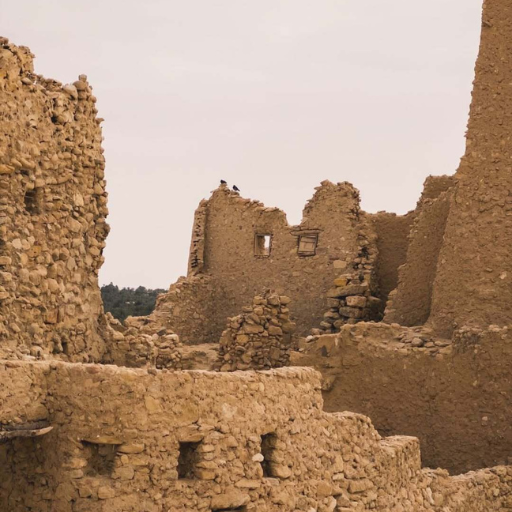
Shali Fortress is one of Siwa’s most recognizable historical landmarks.
Its traditional mud-and-salt architecture reflects the oasis’s distinctive cultural heritage.
Visitors can explore the historic settlement and appreciate views of the surrounding town.
Temple of the Oracle
The Temple of the Oracle is associated with the ancient Oracle of Amun.
It is one of Siwa’s most significant historical attractions.
Travelers interested in Egyptian and classical history will find it a valuable addition to their itinerary.
Cleopatra’s Spring
Cleopatra’s Spring offers a contrasting water experience from the intensely saline pools.
It is a popular stop for travelers exploring the oasis’s natural springs.
Fatnas Island
Fatnas Island is known for its peaceful atmosphere and attractive sunset views.
It can provide a relaxing conclusion to a day exploring Siwa.
Great Sand Sea
The Great Sand Sea is one of the most remarkable desert landscapes accessible from the Siwa region.
Guided safaris provide opportunities to explore selected dunes and experience the surrounding Sahara environment.
For a broader destination overview, read our Siwa Oasis Egypt Travel Guide.
Sample Siwa Salt Lakes Sightseeing Day
The following is an illustrative sightseeing plan rather than a guaranteed tour schedule.
Morning: Salt Lakes Visit
After breakfast, meet your guide and travel toward a suitable accessible salt-lake location.
Spend time photographing the turquoise water and surrounding white formations.
If swimming is permitted and conditions are appropriate, enjoy a short floating experience.
Follow the guide’s instructions and avoid restricted extraction areas.
Late Morning: Freshwater Rinse and Rest
After leaving the lakes, rinse with freshwater at an appropriate location if this can be arranged.
Change into dry clothing.
Take a break and drink water.
Afternoon: Siwa Cultural Attractions
Continue exploring selected local attractions.
Depending on the confirmed route, visit the Temple of the Oracle, Shali Fortress, or traditional village areas.
Evening: Sunset
Finish with a sunset stop at a suitable viewpoint such as Fatnas Island, if included in the itinerary.
Return to your accommodation for dinner and rest.
Important: The exact sequence depends on driving distances, pool accessibility, opening arrangements, and the itinerary agreed with your guide.
Responsible Tourism at the Siwa Salt Lakes
Siwa’s salt lakes are part of a distinctive natural and working landscape.
The area supports local communities and economic activities connected with salt production.
Visitors should respect both the environment and the people who live and work there.
Do not remove salt formations or damage the edges of the pools.
Avoid leaving plastic bottles, food packaging, or other rubbish behind.
Never enter an active working area without permission.
Do not interfere with salt extraction equipment.
Respect local customs and ask permission before photographing residents or workers.
A responsible visit also includes using freshwater carefully and avoiding unnecessary waste.
These simple practices help protect the destination and support respectful tourism.
Common Mistakes to Avoid at Siwa Salt Lakes
First-time visitors sometimes make mistakes because the pools appear so calm and inviting.
Assuming Every Pool Is Safe
Not every turquoise basin is suitable for swimming.
Always confirm access and conditions.
Entering Barefoot
Sharp salt crystals can cause painful cuts.
Appropriate footwear is useful.
Putting Your Face Underwater
Concentrated saltwater can cause severe eye irritation.
Avoid diving and splashing.
Forgetting Freshwater
Rinsing afterward can make the experience more comfortable.
Confirm what facilities are available.
Spending Too Long in the Sun
The surrounding landscape offers limited shade.
Sun protection and hydration are essential.
Relying on Online Photos for Navigation
A beautiful photograph does not establish that the location is accessible or safe.
Use reliable local guidance.
Assuming the Salt Lakes Are a Medical Treatment
The floating experience may be relaxing, but visitors should not expect medically proven cures.
Why Visit Siwa Salt Lakes with Egypt Desert Dunes?
Egypt Desert Dunes organizes private travel experiences across Egypt’s Western Desert, including multi-day tours to Siwa Oasis.
Its Siwa programs introduce travelers to the area’s historic sites, natural springs, traditional villages, local markets, and desert landscapes.
The four-day itinerary includes the salty-lakes landscape among its sightseeing stops.
Travelers looking for a longer adventure can also explore the five-day Siwa program, which includes a Jeep safari in the Great Sand Sea.
If floating in the salt lakes is particularly important to your trip, tell the team before booking.
This allows the operator to check whether swimming can be arranged at a suitable location and explain any relevant conditions or additional requirements.
Explore Our Siwa Oasis Tours
Siwa Oasis 4 Days Tour from Cairo
Discover Siwa’s historical attractions, springs, salt-lake landscapes, traditional villages, and sunset viewpoints.
Explore the 4-Day Siwa Oasis Tour
Siwa Oasis 5 Days Tour from Cairo
Experience Siwa’s culture, ancient landmarks, springs, local markets, and a guided Great Sand Sea Jeep safari.
Discover the 5-Day Siwa Oasis Tour
Need a Customized Siwa Itinerary?
Tell us your travel dates, number of travelers, and whether swimming in the salt lakes is an important part of your plans.
Our team can explain the available tour options and confirm which activities can be included.
Final Thoughts: Are Siwa Oasis Salt Lakes Worth Visiting?
Yes, the Siwa Oasis Salt Lakes are worth visiting for travelers interested in unusual natural landscapes, photography, and the experience of floating in highly saline water.
The brilliant turquoise pools and surrounding white salt formations create one of the most recognizable landscapes in Egypt’s Western Desert.
However, the experience should be approached with realistic expectations.
The pools are not standardized recreational swimming facilities.
Some are associated with salt extraction, and conditions vary between locations.
Choose a suitable accessible pool with knowledgeable local guidance, avoid diving and splashing, protect your skin and eyes, and prepare for limited facilities.
Because Siwa is far from Cairo, it is best enjoyed as part of a multi-day trip rather than a rushed excursion.
A well-planned itinerary allows you to combine the salt lakes with Shali Fortress, Cleopatra’s Spring, the Temple of the Oracle, Fatnas Island, and the spectacular Great Sand Sea.
Whether you are traveling as a couple, with friends, or with family, the salt lakes offer an unusual opportunity to experience a different side of Egypt.
Ready to Explore Siwa Oasis?
Discover Siwa’s beautiful salt lakes, desert landscapes, natural springs, and traditional culture with Egypt Desert Dunes.
Share your preferred dates, group size, and travel interests to explore the available private tours.
Experience the turquoise beauty of Siwa Oasis and discover one of Egypt’s most remarkable desert destinations.
Siwa Oasis Tour from Cairo – 4 Nights / 5 Days
Egypt Desert Dunes Explore the Journey Stop 01 Salt Lake Swipe photos ‹ › Salt Lake Salt Lake Salt Lake Salt Lake Salt Lake…
Siwa Oasis 4 Days Tour from Cairo
Egypt Desert Dunes Explore the Journey Stop 01 Salt Lake Swipe photos ‹ › Salt Lake Salt Lake Salt Lake Salt Lake Salt Lake…
Book Egypt Desert Dunes Tours on Viator
Discover our private White Desert camping adventures and Siwa Oasis experience. Choose your favorite itinerary and complete your reservation securely through Viator.
4-Day Private Camping Tour in the White Desert from Cairo
Go deeper into Egypt's Western Desert with a private four-day camping adventure including spectacular desert landscapes, Black Desert, White Desert, open-air meals and three nights beneath the stars.
2-Day, 1-Night Camping Tour in White Desert from Cairo
Our most compact White Desert adventure for travelers who want to experience the desert from Cairo, explore its unique landscapes and spend an unforgettable night camping beneath the stars.
3-Day Private Camping Tour of White Desert from Cairo
Spend three days exploring the Western Desert, including the Black Desert, Crystal Mountain, Aqabat area and White Desert, with two nights of private desert camping.
Siwa Oasis Trip with Cairo Pick Up
Travel from Cairo to legendary Siwa Oasis on a private four-day journey exploring Siwan culture, desert landscapes, Lake Siwa, traditional sites and some of the oasis's most distinctive attractions.
Explore Egypt's Desert with Egypt Desert Dunes
From a one-night White Desert camping adventure to extended Western Desert and Siwa Oasis experiences, choose the itinerary that matches your travel style and complete your booking through Viator.
Book a Tour or Create Your Own Egypt Experience
Choose one of our ready-made tours or customize your own private journey. Select your destinations, duration and travel style, then send your request directly to Egypt Desert Dunes on WhatsApp.
Book Your Desert Tour
Select your preferred itinerary and send us your travel details. Our team will reply on WhatsApp with availability and the final quote.
Create Your Own Private Egypt Tour
Combine Cairo, Giza, Fayoum, the Western Desert and Siwa in one custom itinerary. Choose the destinations and experiences you want and our team will recommend the best route based on your available days.
Frequently Asked Questions About Siwa Oasis Salt Lakes
Where are the Siwa Salt Lakes located? +
The Siwa Salt Lakes are located around Siwa Oasis in Egypt's Western Desert, within Matrouh Governorate. The famous turquoise pools are part of a wider saline landscape, including basins associated with salt extraction.
Can you swim in the Siwa Oasis Salt Lakes? +
Yes, visitors can swim or float in selected pools where access is permitted and conditions are suitable. However, not every pool is safe, and travelers should use knowledgeable local guidance.
Why do people float in the Siwa Salt Lakes? +
The lakes contain high concentrations of dissolved salts, making the water denser than ordinary freshwater. This increases buoyancy and allows many people to float with relatively little effort.
Are the Siwa Salt Lakes safe for swimming? +
Safety varies between pools. Potential hazards include sharp salt crystals, steep sides, uneven depths, eye irritation, and limited emergency facilities. Visitors should enter only suitable permitted locations.
Can you swim in Siwa Salt Lakes if you cannot swim? +
The high salinity can make floating easier, but it does not remove drowning risks. Non-swimmers should not rely on buoyancy for safety and should seek appropriate supervision and flotation equipment.
Should you shower after swimming in Siwa Salt Lakes? +
Yes, rinsing with clean freshwater is recommended because highly saline water can leave salt deposits on the skin. Shower facilities are not guaranteed at every location, so confirm arrangements beforehand.
What is the best time to visit Siwa Salt Lakes? +
October through April generally offers comfortable conditions for sightseeing. Spring and autumn can be particularly pleasant for outdoor activities, while winter water may feel cool and summer can be extremely hot.
How far are the Siwa Salt Lakes from Cairo? +
The lakes are located around Siwa Oasis, which requires a long road journey from Cairo, commonly via Marsa Matrouh. Travel typically takes much of the day, making a multi-day visit more practical.
How much does visiting the Siwa Salt Lakes cost? +
There is no single universal entrance fee covering every pool. Costs depend on transportation, guiding arrangements, the chosen location, and any applicable local access charges.
Can children swim in Siwa Salt Lakes? +
Some children may enjoy selected suitable locations, but close adult supervision is essential. The high salinity does not make the pools child-safe, and sharp edges or steep sides can create hazards.
Are Siwa Salt Lakes included in Egypt Desert Dunes tours? +
The published four-day Siwa Oasis tour includes a sightseeing drive through the salty lakes. Swimming at a specific pool is not guaranteed and should be confirmed with the operator before booking.
How can I book a Siwa Salt Lakes tour from Cairo? +
You can contact Egypt Desert Dunes to discuss its private four-day and five-day Siwa Oasis programs. Provide your travel dates, group size, and interest in visiting or swimming in the salt lakes so the team can confirm available arrangements.
