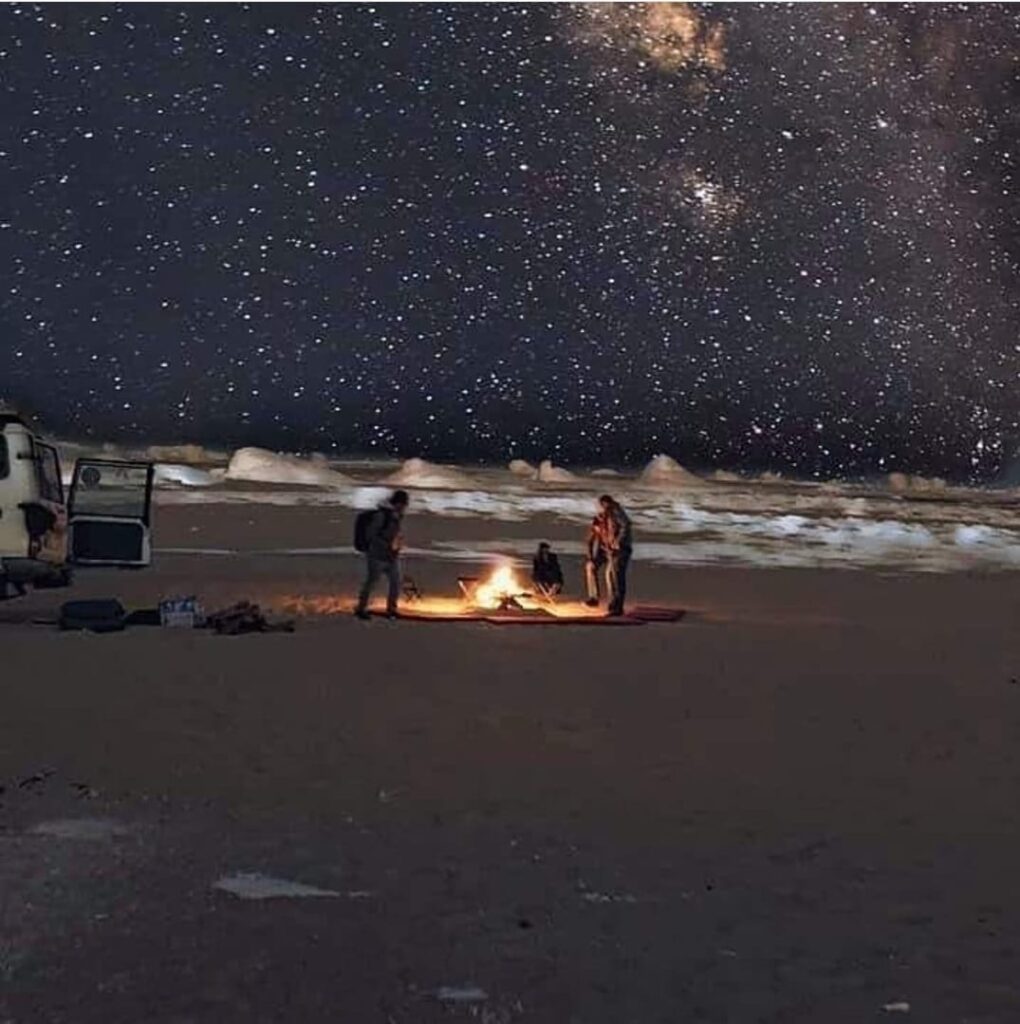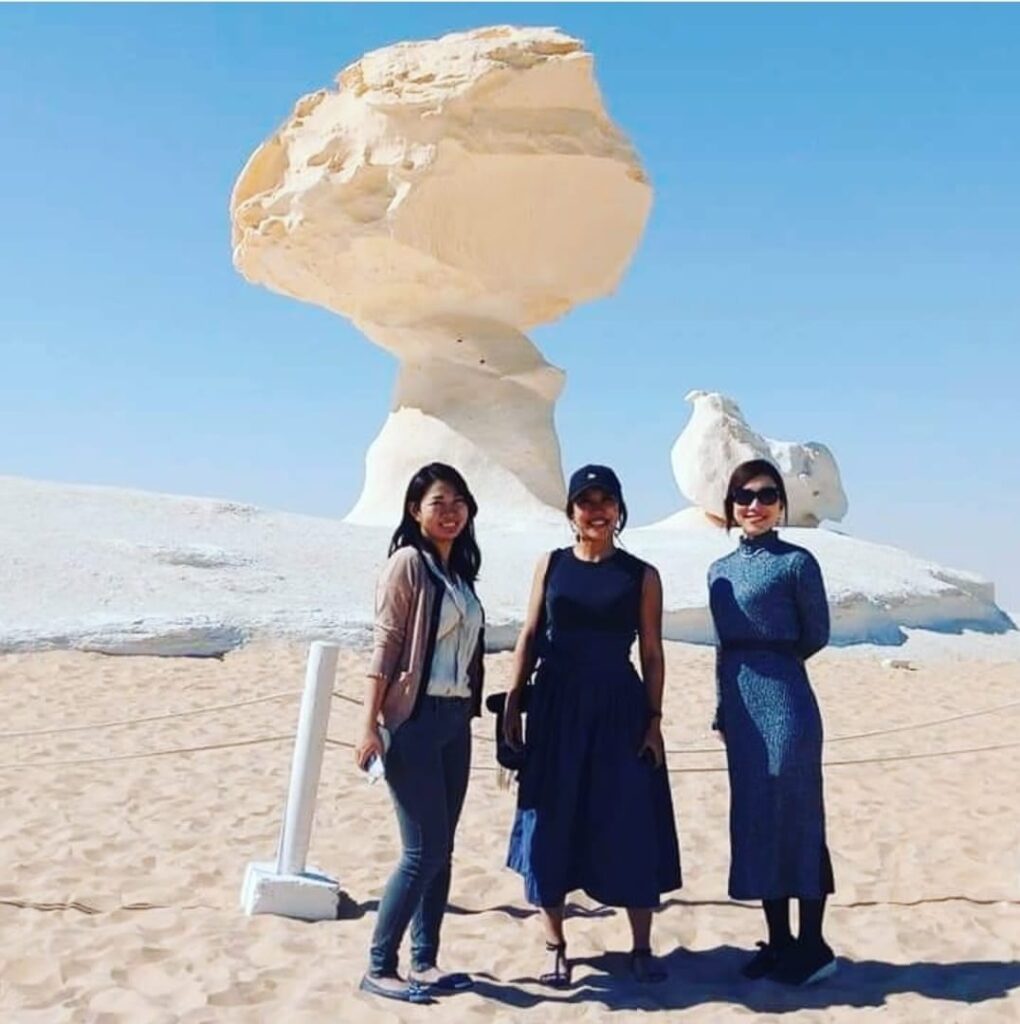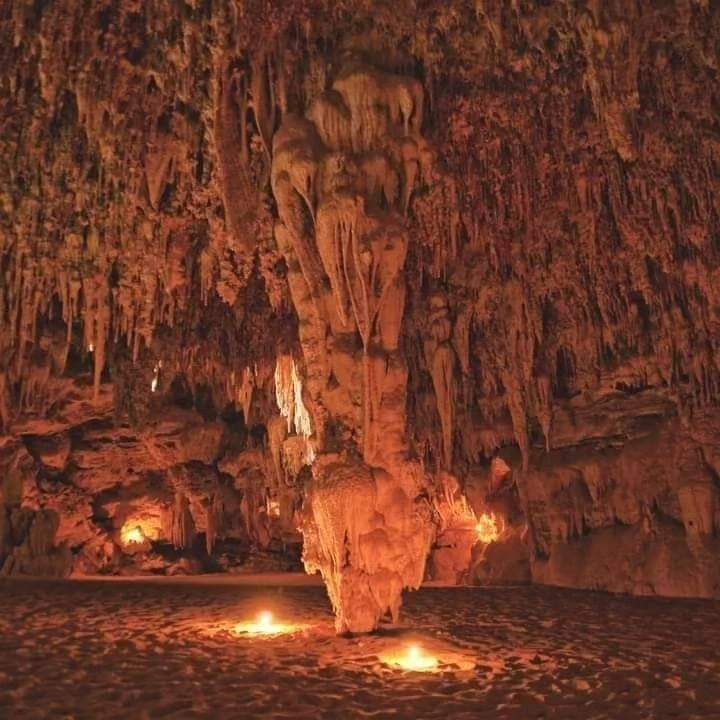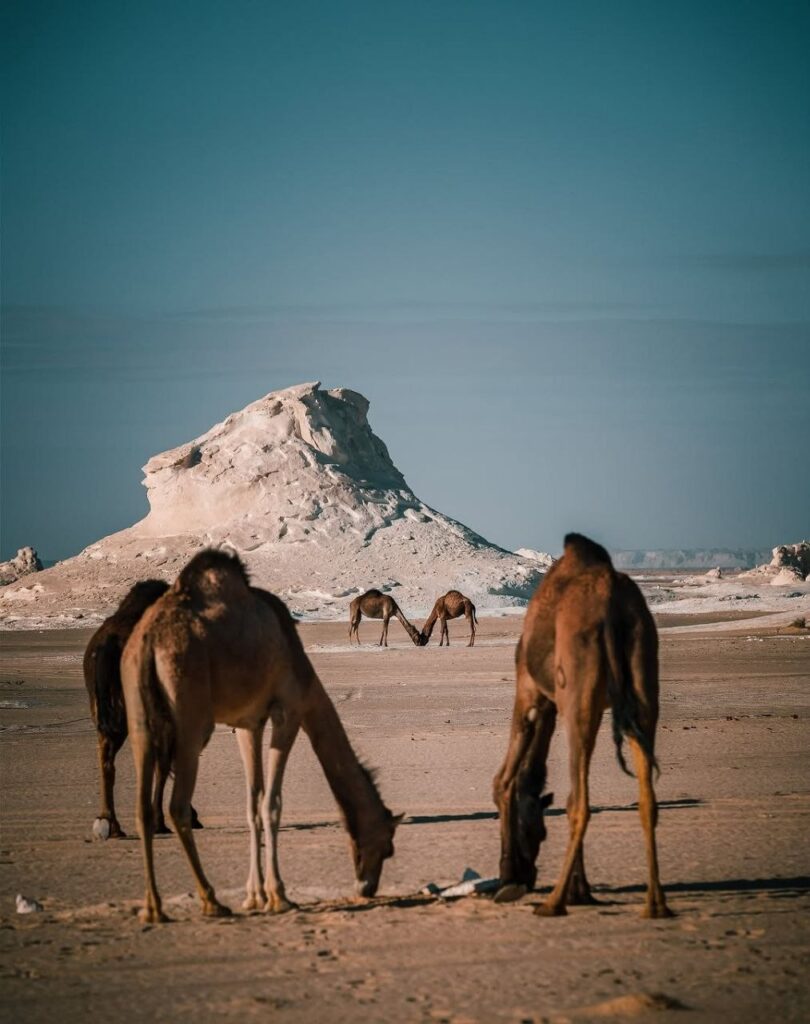
Egypt Eclipse 2027 Map: Path of Totality, Cities & Desert Viewing Areas

On August 2, 2027, a narrow band of the Moon’s shadow will cross Egypt from the Western Desert toward the Nile Valley and Red Sea region.


Inside that band, observers will see a total solar eclipse.


Outside it, they will see a partial eclipse.


That distinction is the single most important thing to understand when reading any Egypt Eclipse 2027 map.


It does not matter if your hotel is only a short distance outside the line.


It does not matter if 99% of the Sun is covered.


It does not matter if the sky becomes noticeably darker.


For the true experience of totality — when the Moon completely covers the bright solar surface and the corona becomes visible — you must be inside the path of totality.


NASA’s calculations for the August 2, 2027 eclipse give a maximum path width of roughly 258 km near greatest eclipse and a maximum duration of approximately 6 minutes 23 seconds. NASA places the point of greatest eclipse at approximately 25.5°N, 33.2°E, with the Sun more than 80 degrees above the horizon.


Egypt is especially important because some of the longest totality on the entire global path occurs inside the country.


But the map contains several surprises.


Luxor is total.

Bahariya is total.

Siwa is total.

Asyut is total.


But:


Cairo is partial.

Farafra is partial.


And even Aswan city is partial, despite lying very close to the southern edge of the totality corridor.


That is why choosing your viewing location from a rough social-media map is risky.


You need to understand:


the centerline,

the northern and southern limits,

your exact coordinates,

and what those coordinates mean for totality duration.


If you’re planning the event generally, start with our Egypt Solar Eclipse 2027 Complete Travel Guide.


For travelers interested in combining the eclipse with the Western Desert, explore our 2027 Egypt Solar Eclipse White Desert Tour.

- Tours Carousel

Egypt Eclipse 2027 Map at a Glance

Località

Eclipse Type

Approx. Totality

Approx. Maximum

Oasi di Siwa

Total

5m 31s

12:45 PM

Al Bawiti / Bahariya

Total

6m 18s

12:53 PM

Wider Bahariya reference

Total

6m 21s

12:53 PM

Asyut

Total

6m 08s

12:59 PM

Luxor

Total

6m 22s

1:05 PM

Il Cairo

Partial

—

12:55 PM

Farafra

Partial

—

12:53 PM

Aswan city

Partial

—

1:08 PM

Local eclipse calculations currently give Siwa about 5:31, Al Bawiti about 6:18, the wider Bahariya reference about 6:21, Asyut about 6:08, and Luxor about 6:22 of totality. Cairo, Farafra and Aswan city remain outside the total phase.


Exact contact times vary by coordinates.

What Is the Path of Totality?

During a total solar eclipse, the Moon casts a dark central shadow called the umbra onto Earth.


That shadow moves across the planet.


The ground track where the Sun becomes completely covered is the path of totality.


Think of it as a long corridor.


Inside the corridor:


total eclipse.


Outside the corridor:


partial eclipse.


NASA’s interactive eclipse mapping explains that the northern and southern boundaries mark the limits of totality, while the centerline runs through the middle of the path. You must stand between those two boundary lines to experience the total phase.


The eclipse lasts longest close to the centerline.


But that does not mean you absolutely need to stand directly on it.


A site several kilometers away can still provide extraordinary totality.

How Wide Is the 2027 Path of Totality?

At greatest eclipse, NASA calculates a path width of approximately:


257.7 km.


The point of greatest duration has a similar width of roughly 257.2 km.


That’s wide enough to provide several very different Egyptian viewing environments.


You can experience totality from:


a remote oasis,

open Western Desert,

the Nile Valley,

an archaeological destination,

or desert terrain near Upper Egypt.


That diversity is one reason Egypt is expected to be such an important eclipse destination.

How Does the Eclipse Path Cross Egypt?

The shadow arrives in Egypt from the west.


It first crosses Western Desert regions, including the broad Siwa and Bahariya eclipse zones.


Then it continues east across Upper Egypt.


The totality corridor includes important areas around:


Siwa

Bahariya

Asyut

Sohag/Qena-region locations

and

Luxor.


The shadow then continues toward Egypt’s eastern desert and the Red Sea before moving toward Saudi Arabia.


The exact edge of the path matters.


Cities relatively close to the corridor can still fall outside totality.


That is exactly what happens with Cairo, Farafra and Aswan city.

Egypt-Wide Eclipse Timing

Timeanddate currently lists the overall eclipse sequence across Egypt as approximately:


First partial eclipse somewhere in Egypt: 11:19 AM

First totality somewhere in Egypt: 12:39 PM

Last totality somewhere in Egypt: 1:22 PM

Final partial eclipse ends: 2:39 PM.


These are country-wide boundary times, not one viewing site’s schedule.


If you’re standing in Bahariya, Siwa or Luxor, use the timing for your exact location.

What Does the Centerline Mean?

Look at a detailed eclipse map and you’ll usually see three major lines.


Northern Limit


The northern edge of totality.


Southern Limit


The southern edge.


Centerline


The approximate middle of the eclipse path.


NASA explains that the longest totality occurs on the centerline.


But “longest” needs context.


Imagine:


Location A = 6 minutes 18 seconds.


Location B on the centerline = 6 minutes 22 seconds.


You’re gaining only about four seconds.


If Location A has:


better access,

safe parking,

shade,

permits,

and reliable roads,

it may be the better real-world viewing site.


The map is the beginning of planning.


Not the end.

Where Is the Longest Totality in Egypt?

NASA calculates the greatest duration of the entire August 2, 2027 eclipse at approximately:


6 minutes 23.2 seconds


near coordinates:


26°49′ N, 31°08′ E.


The Sun will be roughly 80.9 degrees above the horizon at that point.


That location is in Egypt.


This is one of the most extraordinary features of the event:


Egypt isn’t simply somewhere along the path.


It contains the region of greatest eclipse duration.

Is Luxor the Exact Point of Maximum Duration?

Not exactly.


Luxor is extraordinarily close in practical terms.


Current calculations give Luxor approximately:


6 minutes 22 seconds of totality


with maximum eclipse at around:


1:05 PM local time.


But the exact theoretical point of greatest duration lies elsewhere in Upper Egypt.


This is an important distinction because marketing frequently simplifies:


“Luxor has the longest eclipse.”


A more accurate statement is:


Luxor lies extremely close to the maximum-duration region and receives more than six minutes twenty seconds of totality.


That’s already exceptional.


There’s no need to exaggerate it.

Siwa Oasis on the Eclipse Map

Siwa lies inside the western portion of Egypt’s totality corridor.


Current calculations give:


Partial begins: 11:22 AM

Maximum: 12:45 PM

Totality: approximately 5 minutes 31 seconds

Partial ends: 2:08 PM.


Five and a half minutes is an outstanding eclipse.


Siwa also offers a unique travel setting:


salt lakes,

palm groves,

springs,

Shali Fortress,

Amazigh culture,

and Great Sand Sea excursions.


For travelers who want an oasis-based eclipse trip, Siwa is highly attractive.


But it receives less totality than Bahariya, Asyut or Luxor.

Bahariya Oasis on the Eclipse Map

Bahariya is especially important for Egypt Desert Dunes because it combines excellent eclipse geometry with access to the Western Desert safari route.


At Al Bawiti, current calculations show:


Partial eclipse begins: 11:29 AM


Maximum: 12:53 PM


Totality: approximately 6 minutes 18 seconds


Partial ends: 2:15 PM.


Another representative Bahariya location receives approximately:


6 minutes 21 seconds of totality.


That difference illustrates why exact coordinates matter.


“Bahariya” isn’t one astronomical point.


Move within the oasis region and your eclipse circumstances change slightly.


For complete planning, read our Bahariya Oasis Solar Eclipse 2027 Guide.

Why Bahariya Is So Interesting on the Map

Bahariya gives eclipse travelers something Luxor doesn’t:


direct access to a Western Desert expedition.


Around the event, travelers can potentially combine:


Bahariya Oasis,

Black Desert,

Crystal Mountain,

Agabat Valley,

White Desert,

desert camping,

and totality.


The correct strategy is to use an approved viewing site inside the totality path around Bahariya/Black Desert, then explore White Desert landscapes before or after Eclipse Day.


That matters because the White Desert itself is not uniformly inside totality.

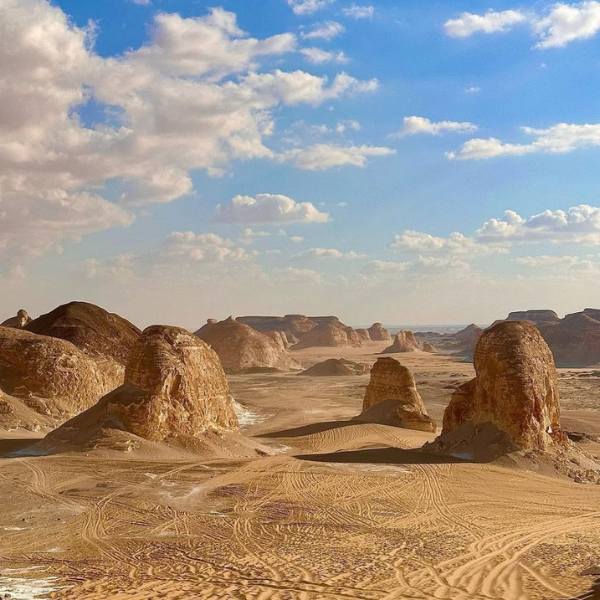
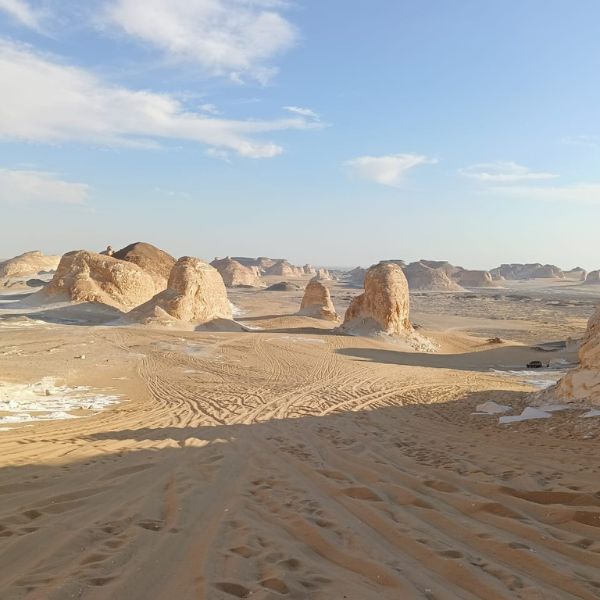
Black Desert on the Eclipse Map

The Black Desert is not one exact coordinate.


It is a broad Western Desert landscape.


Some relevant sections around Bahariya lie deep inside the totality corridor and can potentially provide around six minutes twenty seconds of totality near favorable coordinates.


But because the region is broad, you cannot safely say:


“Black Desert gets exactly 6m22s.”


without attaching that statement to an exact GPS position.


The final site should be checked for:


path location,

duration,

legal access,

road conditions,

vehicle logistics,

and permits.


For this exact topic, read:


Black Desert Solar Eclipse 2027: Bahariya Viewing Guide.

Cairo on the Eclipse Map

Cairo is outside the path of totality.


This may disappoint travelers who assumed Egypt’s capital would experience the full event.


Current calculations for Cairo show:


Partial begins: 11:33 AM

Maximum: 12:55 PM

Magnitude: approximately 0.947

Ends: 2:16 PM.


The eclipse will still be impressive.


But:


There will be no totality in Cairo.


The corona will not appear in the same way.


The Sun’s bright surface will never become completely covered.


And proper solar eye protection remains necessary throughout the entire event.

Why Leaving Cairo Matters

If you’re flying to Egypt specifically for the eclipse and then stay in Cairo?


You miss the defining experience.


The totality corridor lies farther south.


Travelers need to move toward locations such as:


Siwa,

Bahariya,

Asyut,

or Luxor.


Which destination is best depends on the kind of journey you want around the eclipse.

Farafra on the Eclipse Map

Farafra creates one of the biggest planning traps.


Why?


Because it’s closely associated with the White Desert.


A traveler sees:


White Desert Eclipse Tour


and assumes:


Farafra = total eclipse.


Not true.


Current calculations give Farafra:


Partial begins: 11:28 AM

Maximum: 12:53 PM

Magnitude: approximately 0.994

Totality: none.


The Sun will be almost completely covered.


But “almost” is the entire problem.

Why Farafra's 99%+ Eclipse Is Not Enough

At roughly 99.4% magnitude, only a tiny portion of the solar photosphere remains exposed.


That tiny portion is still extremely bright.


You don’t get the full totality experience.


That’s why the correct White Desert eclipse itinerary should work like this:


Il Deserto Bianco


for desert exploration and camping.


Bahariya/approved totality site


for Eclipse Day.


Trying to force both activities into the same GPS location would sacrifice the astronomical experience.

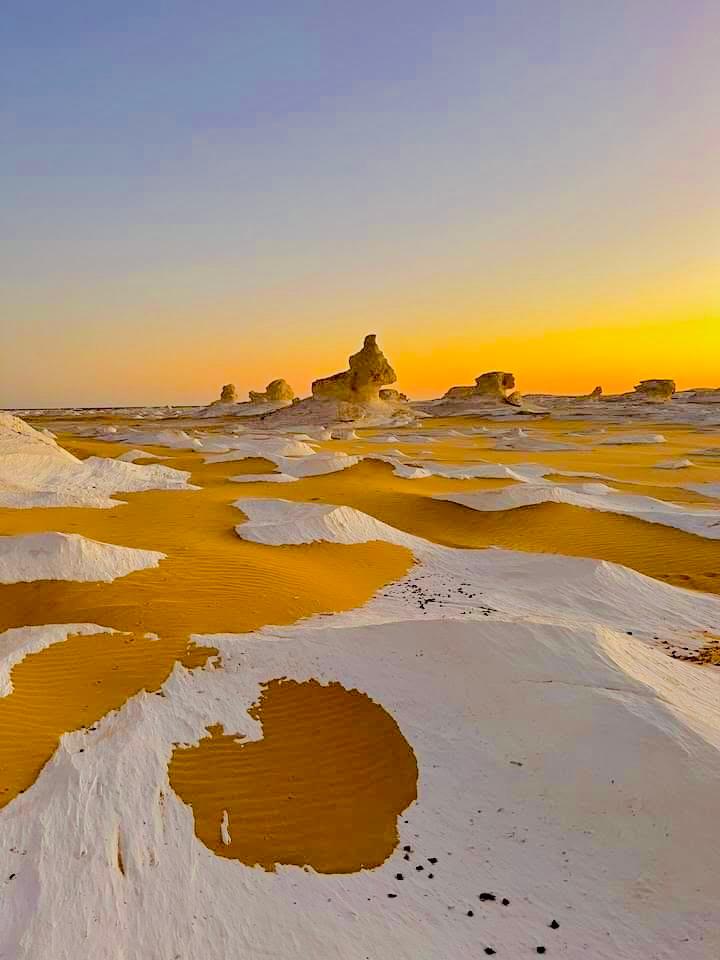
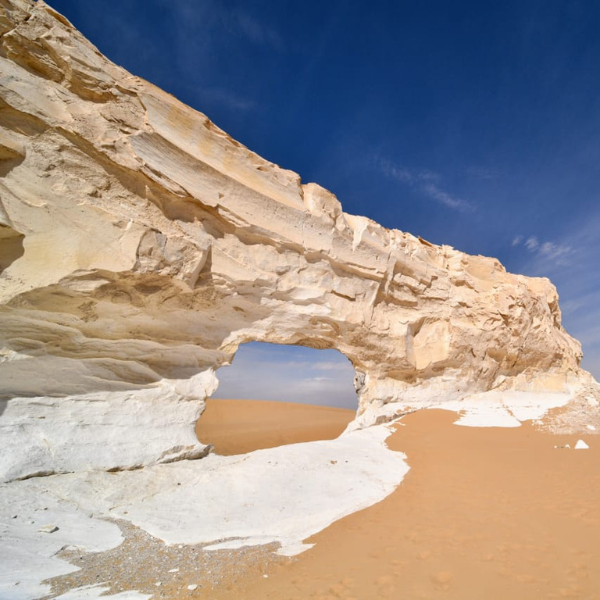
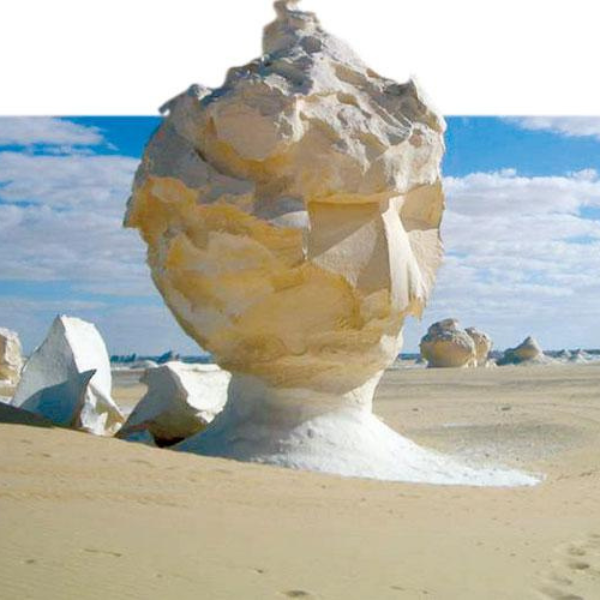
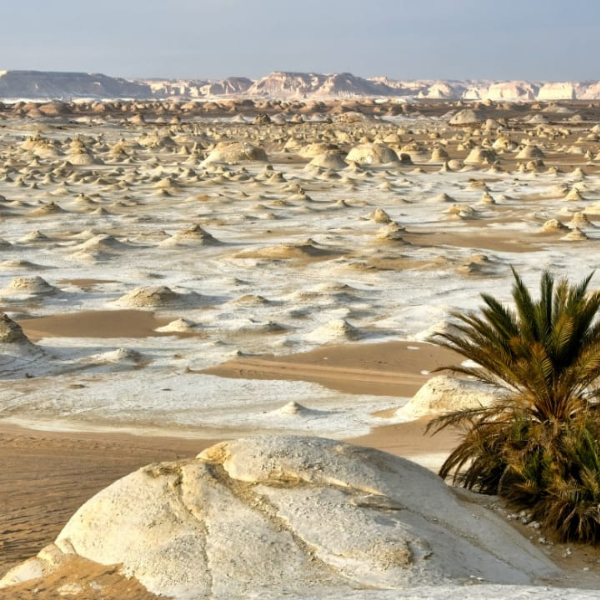
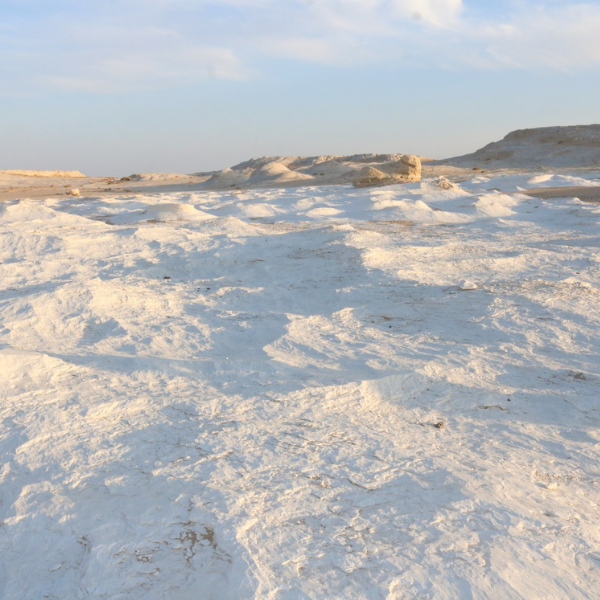
Is the White Desert Inside the Totality Path?

Parts of the broader Western Desert lie inside totality.


But you should not treat Il Deserto Bianco as a single astronomical point.


The protected landscape extends across a broad region.


Farafra — the oasis most closely associated geographically with the White Desert — is outside totality.


Therefore the safe marketing rule is:


Never promise totality simply by saying “White Desert.”


Instead say:


White Desert eclipse itinerary with viewing from a confirmed location inside the path of totality.


That’s both more accurate and more useful.

Asyut on the Eclipse Map

Asyut is one of the major Nile Valley locations inside totality.


Current calculations show:


Partial begins: around 11:35 AM

Maximum: around 12:59 PM

Totality: approximately 6 minutes 08 seconds

Partial ends: around 2:21 PM.


That makes Asyut an extremely strong eclipse location astronomically.


It won’t necessarily receive the international attention of Luxor, but more than six minutes of totality is exceptional.

Luxor on the Eclipse Map

Luxor will probably become the most famous Egyptian eclipse destination.


Current calculations give:


Partial begins: 11:40 AM

Maximum: 1:05 PM

Totality: approximately 6 minutes 22 seconds

Partial ends: 2:26 PM.


The combination is obvious:


one of the world’s longest total eclipses

plus

one of the world’s greatest archaeological destinations.


Visitors can combine totality with:


Valley of the Kings,

Karnak,

Luxor Temple,

the West Bank,

and Nile cruises.


For travelers interested mainly in ancient Egypt, Luxor is difficult to beat.

Is Aswan Inside Totality?

This is another important map detail.


Aswan city itself is outside totality.


Current calculations give:


Partial begins: 11:42 AM

Maximum: 1:08 PM

Magnitude: approximately 0.996

Totality: none

Partial ends: 2:29 PM.


That means Aswan gets extremely close to full coverage but still misses the total phase.


However, parts of the wider Aswan Governorate farther north can fall inside totality. For example, Timeanddate calculates more than five minutes of totality for locations in the Edfu-area portion of the governorate.


The lesson?


Never use a governorate-level map as a substitute for city coordinates.

Cairo vs Aswan: Two Different Ways to Miss Totality

Cairo sits clearly north of the totality path.


Aswan city sits close to the southern boundary.


Both see partial eclipses.


But their experiences are different.


Cairo’s magnitude is around:


0.947.


Aswan’s is around:


0.996.


Yet neither becomes total.


Astronomically:


0.996 is still not 1.000.


That final fraction changes everything.

What Does Eclipse Magnitude Mean?

Eclipse magnitude describes how much of the Sun’s diameter is covered by the Moon at maximum.


For totality, magnitude exceeds:


1.0.


For example:


Luxor

Magnitude about 1.035.


Al Bawiti

Magnitude about 1.034.


Siwa

Magnitude about 1.020.


Il Cairo

Magnitude about 0.947.


Farafra

Magnitude about 0.994.


Aswan

Magnitude about 0.996.


Once the value crosses 1, the Moon becomes large enough in apparent diameter to cover the Sun completely.

Why 99.6% Is Still Not Totality

This is worth repeating because it’s counterintuitive.


Imagine telling somebody:


“You’re getting 99.6% of the event.”


Sounds fantastic.


But total eclipses don’t work like exam grades.


The final tiny crescent of exposed Sun is so bright that it prevents the full visual transition.


Inside true totality:


the photosphere disappears,

the corona becomes visible,

the environment darkens dramatically,


and observers inside the path can safely view the totally eclipsed Sun without solar filters during the brief total phase.


Outside it?


Solar filters remain required.


That last 0.4% matters more than the first 99.6%.

Which Egyptian Locations Are Best for Totality?

There isn’t one universal answer.


The map tells you where totality exists.


Travel preferences tell you where you should go.

Best for Longest Totality: Luxor / Upper Egypt

Luxor receives approximately 6m22s.


Nearby portions of Upper Egypt reach the maximum-duration region.


Choose this if:


astronomical duration matters,

you want hotels,

and ancient Egyptian sites are a major priority.

Best for Western Desert Adventure: Bahariya

Al Bawiti already gives around 6m18s.


Nearby Bahariya locations can exceed 6m20s.


Choose this if you want:


Black Desert,

White Desert,

camping,

4×4 safari,

and a remote desert eclipse atmosphere.


Explore our 2027 Egypt Solar Eclipse White Desert Tour.

Best for Oasis Culture: Siwa

Totality is shorter at approximately 5m31s.


But that’s still extremely long by eclipse standards.


Choose Siwa for:


salt lakes,

Amazigh culture,

Great Sand Sea,

springs,

and a remote oasis setting.

Best Underrated Nile Valley Option: Asyut

Asyut gets around 6m08s.


Astronomically excellent.


Less internationally famous for tourism than Luxor.


This could make it interesting for travelers who prioritize the eclipse itself.

Should You Stand Exactly on the Centerline?

Not necessarily.


NASA states that the eclipse lasts longest on the centerline.


But consider the difference around Bahariya.


Al Bawiti:


about 6m18s.


Other Bahariya positions:


about 6m21s.


Theoretical maximum:


about 6m23s.


We’re discussing seconds.


A site slightly away from the centerline may be much better if it offers:


safer roads,

legal access,

shade,

water,

toilets,

space,

and emergency support.


The centerline isn’t sacred.


Totality is.

How Close Can You Get to the Edge?

You can technically experience totality just inside the edge.


But I wouldn’t design an international eclipse trip that way.


As you move toward the edge:


duration drops rapidly.


And a small mapping error or change in selected site can leave you outside.


For a major tour:


choose a site comfortably inside the path.


There’s no reason to gamble when Egypt offers such a wide corridor.

Should You Use Google Maps Alone?

No.


A normal map tells you where roads and towns are.


It doesn’t automatically tell you:


exact totality duration,

first contact,

second contact,

third contact,

solar altitude,

or path boundaries.


Use specialized eclipse mapping based on NASA-quality astronomical data.


Then overlay real travel questions:


Can you access the site?

Is it legal?

Is there parking?

Is the route open?

Do permits apply?


That’s how proper planning works.

Why the Exact GPS Point Matters

Suppose your itinerary says:


Bahariya Eclipse Viewing.


That’s not precise enough for final planning.


You eventually need:


latitude,

longitude,

and a calculated eclipse profile.


That gives you:


partial start,

totality start,

maximum,

totality end,

partial end,

Sun altitude,

and expected totality duration.


The same rule applies to the Black Desert.


“Black Desert” is a tourism region.


Not a single astronomical coordinate.

What About the Solar Altitude?

The Sun will be extremely high in the Egyptian sky during the eclipse.


NASA calculates the Sun at more than 80 degrees altitude near greatest duration and greatest eclipse.


This is useful.


You don’t need a perfect western or eastern horizon like you would for an eclipse near sunrise or sunset.


But the high Sun creates different challenges:


shade,

heat,

looking almost overhead,

and positioning cameras with large telephoto lenses.

Why August Heat Matters on the Map

A map may show a perfect point in the middle of nowhere.


Astronomically:


brilliant.


Operationally:


maybe terrible.


Remember the date:


August 2.


A group may be on site for several hours around midday.


The best viewing point needs:


shade,

drinking water,

vehicle access,

and a safe environment.


Don’t trade basic human comfort for two extra seconds of totality.

Weather vs Eclipse Geometry

The path tells you where totality can happen.


Weather determines whether you see it.


Historical cloud statistics across several major Egyptian locations are exceptionally encouraging, but historical climate is not a guarantee for August 2, 2027.


Timeanddate currently shows historical August 2 cloud coverage at or near 0% for several major totality locations in its datasets. Actual forecasts, however, only become useful much closer to the event.


Cloud isn’t the only concern.


Also consider:


dust,

sand,

haze,

and wind.


We’ll cover this fully in our upcoming:


Egypt Solar Eclipse 2027 Weather & Cloud Prospects: Bahariya, Siwa & Luxor.

Map Planning for Photographers

Photographers should map more than totality.


Think about:


foreground,

Sun position,

vehicle access,

dust,

tripod space,

and whether the Sun can be framed with landscape features.


In Bahariya or the Black Desert, a dark hill can provide a dramatic foreground.


In Luxor, archaeological landscapes may provide context.


In Siwa, oasis or dune scenery changes the visual story.


But remember:


the Sun will be high.


A foreground composition with an almost-overhead eclipse is very different from a sunset photograph.

How to Read an Eclipse Map Correctly

When opening a detailed path map:


Step 1

Find the northern path limit.


Step 2

Find the southern limit.


Step 3

Confirm your location is between them.


Step 4

Find the centerline.


Step 5

Check your distance from it.


Step 6

Calculate local totality duration.


Step 7

Check roads and terrain.


Step 8

Confirm legal access.


Step 9

Check weather closer to the event.


Step 10

Create a realistic backup plan.


That’s much more useful than simply dropping a pin on the darkest part of a colored map.

Best Eclipse Map Strategy for a Bahariya Tour

For Egypt Desert Dunes, I would use a layered planning system.


Level 1 — Destination

Bahariya / Black Desert region.


Level 2 — Astronomical Zone

Comfortably inside totality.


Level 3 — Candidate Sites

Several accessible locations.


Level 4 — Operations

Permits, parking, shade, toilets, water.


Level 5 — Final Forecast

Cloud, dust and wind.


Level 6 — Final Coordinates

Lock the observation location.


That protects the tour from making a promise too early that one exact remote GPS point will definitely be available ten months later.

Why the White Desert Should Remain Part of the Trip

Because the trip is more than six minutes.


Totality is the centerpiece.


But international travelers are coming all the way to Egypt.


Around Eclipse Day, they can explore:


Black Desert,

Crystal Mountain,

Agabat Valley,

White Desert,

Bahariya Oasis,

and desert camping.


The White Desert doesn’t need to be the exact observation point to be one of the major reasons the journey is worth making.


Read our White Desert Egypt Guide.

A Map-Based 5-Day Eclipse Itinerary

Day 1 — Cairo to Bahariya

Leave the partial-eclipse zone.


Travel southwest into the totality corridor.


Arrive well before Eclipse Day.


Day 2 — Bahariya & Black Desert

Explore the region.


Confirm observation logistics.


Check equipment.


Rest.


Day 3 — Eclipse Day

Move early to the final approved viewing site.


Stay comfortably inside totality.


Experience the partial phase.


Then:


totality.


Remain on site until departure is safe and organized.


Day 4 — Agabat & White Desert

Now travel south beyond the eclipse-viewing zone.


Explore:


Crystal Mountain,

Agabat,

and the White Desert.


Camp overnight.


Day 5 — White Desert Sunrise & Return

Wake in the chalk landscape.


Explore.


Return through Bahariya toward Cairo.


Astronomy first on Eclipse Day.


Desert adventure around it.


That’s the right balance.

Eclipse Eye Safety Applies Everywhere on the Map

Whether you’re in:


Cairo,

Farafra,

Bahariya,

Siwa,

Asyut,

or Luxor,

the partial phases require proper eye protection.


And if you’re outside totality — such as Cairo, Farafra or Aswan city — you never enter the safe naked-eye total phase.


Use certified solar viewers during the entire eclipse.


For locations inside totality, eye protection may only be removed during the brief interval when the Sun’s bright surface is completely covered.


Once sunlight returns:


filters back on.

Why This Map Matters for Booking

An eclipse tour is not simply:


hotel + bus + glasses.


The entire itinerary depends on geography.


Choose the wrong town?


No totality.


Choose the correct town but wrong remote site?


Shorter totality or access problems.


Choose an excellent astronomical coordinate but ignore roads?


Operational disaster.


The map therefore needs to connect four things:


astronomy

transport

permits

travel experience.


That is exactly why Bahariya is interesting.


It performs strongly in all four categories when the final viewing site is selected properly.

Egypt Eclipse 2027 Map: Final Location Ranking

If I were comparing the major options purely for different traveler types:


Luxor


Best for archaeology + maximum-duration totality.


Bahariya / Black Desert


Best for totality + desert safari.


Siwa


Best for totality + remote oasis culture.


Asyut


Best for excellent totality without Luxor’s tourism profile.


Il Cairo


Good for a deep partial eclipse, but not suitable if totality is your goal.


Farafra


Excellent for the White Desert journey, but not suitable as the primary totality viewing point.


Aswan city


Extremely deep partial eclipse, but still outside totality.

Final Verdict: Where Does the 2027 Eclipse Cross Egypt?

The August 2, 2027 path of totality cuts diagonally across Egypt from the Western Desert toward Upper Egypt and the eastern side of the country.


Among the most important totality destinations are:


Oasi di Siwa

Oasi di Bahariya

Asyut

and

Luxor.


Meanwhile:


Il Cairo

Farafra

and

Aswan city


remain outside totality.


NASA calculates a maximum eclipse duration of approximately 6 minutes 23 seconds, with a path roughly 258 km wide near greatest eclipse.


For travelers interested in Egypt’s Western Desert, Bahariya stands out because it combines:


over six minutes of totality,

Black Desert landscapes,

access to the White Desert safari route,

and proximity to some of Egypt’s most extraordinary desert environments.


The key is accuracy.


Don’t book based on:


“near the eclipse.”


Book based on:


inside the path of totality.


And don’t assume:


“White Desert tour”


automatically means:


“White Desert totality.”


The correct itinerary combines White Desert exploration with a confirmed observation site farther inside the total path.


For the full eclipse overview, read our Egypt Solar Eclipse 2027 Complete Guide.


For Bahariya-specific timing, see Bahariya Oasis Solar Eclipse 2027.


For exact Black Desert viewing strategy, read Black Desert Solar Eclipse 2027.


And to experience totality as part of a complete Western Desert journey, explore our 2027 Egypt Solar Eclipse White Desert Tour.

- Tours Carousel
✓ Available on Viator

Book Egypt Desert Dunes Tours on Viator

Discover our private White Desert camping adventures and Siwa Oasis experience. Choose your favorite itinerary and complete your reservation securely through Viator.

✓ Private Tours
✓ Cairo Pickup
✓ Mobile Ticket
✓ English Speaking Team
✓ Book Through Viator
4-Day Private White Desert Camping Tour from Cairo by Egypt Desert Dunes
✓ Book on Viator
Tour privato
White Desert • Bahariya Oasis • Egypt
⏱ 4 Days / 3 Nights ★ 5.0 (4 Reviews)

4-Day Private Camping Tour in the White Desert from Cairo

Go deeper into Egypt's Western Desert with a private four-day camping adventure including spectacular desert landscapes, Black Desert, White Desert, open-air meals and three nights beneath the stars.

Cairo Pickup Tour privato Campeggio nel deserto Meals Included
Reference price from
€588 / person*
Check Viator for today's live price
View on Viator →
2-Day 1-Night White Desert Camping Tour from Cairo by Egypt Desert Dunes
✓ Book on Viator
Best Short Trip
White Desert • Black Desert • Egypt
⏱ 2 Days / 1 Night ★ 5.0 (3 Reviews)

2-Day, 1-Night Camping Tour in White Desert from Cairo

Our most compact White Desert adventure for travelers who want to experience the desert from Cairo, explore its unique landscapes and spend an unforgettable night camping beneath the stars.

1 Night Camping Cairo Pickup Breakfast Lunch & Dinner
Reference price from
€197 / person*
Price varies by date and group size
View on Viator →
3-Day Private White Desert Camping Tour from Cairo by Egypt Desert Dunes
✓ Book on Viator
Popular Choice
Black Desert • Aqabat • White Desert
⏱ 3 Days / 2 Nights ★ 5.0 (5 Reviews)

3-Day Private Camping Tour of White Desert from Cairo

Spend three days exploring the Western Desert, including the Black Desert, Crystal Mountain, Aqabat area and White Desert, with two nights of private desert camping.

2 Nights Camping Deserto Nero Il Deserto Bianco Private Experience
Reference price from
€394 / person*
Check Viator for today's live price
View on Viator →
4-Day Siwa Oasis Trip from Cairo by Egypt Desert Dunes
✓ Book on Viator
Siwa Experience
Siwa Oasis • Western Desert • Egypt
⏱ 4 Days Egypt Desert Dunes • 14 Operator Reviews

Siwa Oasis Trip with Cairo Pick Up

Travel from Cairo to legendary Siwa Oasis on a private four-day journey exploring Siwan culture, desert landscapes, Lake Siwa, traditional sites and some of the oasis's most distinctive attractions.

4 Days Cairo Pickup Siwa Hotel Meals Included
Reference price from
$1,150 / adult*
Check Viator for today's live price
View on Viator →
*Important: Prices shown above are reference “from” prices observed while reviewing the listings and may change based on travel date, number of travelers, availability, currency and Viator pricing. Click “View on Viator” for the current final price before booking.

Explore Egypt's Desert with Egypt Desert Dunes

From a one-night White Desert camping adventure to extended Western Desert and Siwa Oasis experiences, choose the itinerary that matches your travel style and complete your booking through Viator.

Explore Our Tours →
Plan Your Desert Adventure

Book a Tour or Create Your Own Egypt Experience

Choose one of our ready-made tours or customize your own private journey. Select your destinations, duration and travel style, then send your request directly to Egypt Desert Dunes on WhatsApp.

Book Your Desert Tour

Select your preferred itinerary and send us your travel details. Our team will reply on WhatsApp with availability and the final quote.

Choose Your Tour *
Please select a tour and complete your name, travel date and number of travelers.
Your booking request will open directly in WhatsApp. No payment is made through this form.

Create Your Own Private Egypt Tour

Combine Cairo, Giza, Fayoum, the Western Desert and Siwa in one custom itinerary. Choose the destinations and experiences you want and our team will recommend the best route based on your available days.

Which Places Would You Like to Visit? *
Select as many destinations as you like. Egypt Desert Dunes will recommend the best route according to your trip duration.
What Are You Most Interested In?
Please enter your name, number of travelers, trip duration and select at least one destination.
Egypt Desert Dunes will review your selections and send you a customized itinerary and quotation on WhatsApp.
Recensioni dei viaggiatori

Cosa dicono i nostri ospiti su TripAdvisor

Esperienze reali di viaggiatori che hanno esplorato i deserti, le oasi e le meraviglie culturali dell'Egitto con Egypt Desert Dunes. Leggi le loro recensioni su TripAdvisor e scopri perché i nostri ospiti ci scelgono per safari privati nel deserto, avventure in campeggio e tour indimenticabili in Egitto.

FAQ — Egypt Eclipse 2027 Map

Where will the 2027 total solar eclipse be visible in Egypt? +

The path of totality crosses parts of Egypt's Western Desert and Upper Egypt. Major locations inside totality include Siwa Oasis, Bahariya Oasis, Asyut and Luxor.

Will Cairo see the total solar eclipse in 2027? +

No. Cairo will experience a deep partial eclipse with a magnitude around 0.947, but it lies outside the path of totality.

Will Luxor see totality in 2027? +

Yes. Luxor is currently calculated to experience approximately 6 minutes and 22 seconds of totality, with maximum eclipse around 1:05 PM local time.

Will Bahariya Oasis see the total eclipse? +

Yes. Al Bawiti is calculated to receive about 6 minutes 18 seconds of totality, while some other Bahariya-area coordinates receive around 6 minutes 21 seconds.

Will Siwa see the 2027 total solar eclipse? +

Yes. Oasi di Siwa is inside the path of totality and is currently calculated to receive approximately 5 minutes 31 seconds of totality.

Will Asyut see totality? +

Yes. Asyut is currently calculated to receive approximately 6 minutes 8 seconds of totality.

Will Farafra see totality? +

No. Farafra is currently calculated to experience a partial eclipse with magnitude around 0.994.

Will Aswan see the total eclipse? +

Aswan city itself is currently calculated to remain outside the path of totality, with a partial eclipse magnitude of roughly 0.996. Some locations farther north within Aswan Governorate lie inside the totality corridor.

Is the White Desert inside the path of totality? +

Not all of it. Travelers should not assume a generic Il Deserto Bianco location will receive totality. The final viewing site must be confirmed using exact coordinates.

How wide is the 2027 eclipse path in Egypt? +

Near greatest eclipse, NASA calculates the path to be approximately 258 km wide.

Where is the longest totality in the 2027 eclipse? +

NASA calculates the greatest duration at approximately 6 minutes 23.2 seconds near 26°49′N, 31°08′E in Egypt.

Do I need to stand exactly on the eclipse centerline? +

No. The centerline provides the longest duration, but nearby locations comfortably inside the path can still receive more than six minutes of totality.

Why is 99% eclipse not the same as totality? +

Even a small uncovered portion of the Sun remains extremely bright. Only inside true totality does the bright photosphere disappear completely and the solar corona become visible.

What is the best place in Egypt to watch the 2027 eclipse? +

That depends on travel style. Luxor is excellent for archaeology, Bahariya for a Western Desert safari, Siwa for oasis culture and Asyut for a long Nile Valley totality experience.

Is Bahariya or Luxor better for the eclipse? +

Luxor has slightly longer calculated totality and much larger tourism infrastructure. Bahariya offers a remote Western Desert experience with Black Desert and White Desert travel.

What time is the eclipse in Egypt? +

Times vary by location. Maximum eclipse is around 12:45 PM in Siwa, 12:53 PM in Bahariya, 12:59 PM in Asyut and 1:05 PM in Luxor.

Can I use a normal Egypt map to choose an eclipse viewing site? +

No. Use a detailed astronomical eclipse map that shows the northern and southern totality limits and centerline, then confirm roads, permissions and precise GPS coordinates.

Can I combine a White Desert tour with the eclipse? +

Yes. The best strategy is to observe the eclipse from a confirmed site inside totality around Bahariya or another suitable location, then explore the Il Deserto Bianco as part of the wider itinerary.

Lascia un commento

Il tuo indirizzo email non sarà pubblicato. I campi obbligatori sono contrassegnati *