Things to Do in Siwa Oasis Egypt: 15 Must-See Places & Experiences

Far beyond Cairo’s traffic and Egypt’s famous Nile Valley monuments lies a completely different side of the country: Oasi di Siwa.


Surrounded by the Western Desert, Siwa combines crystal-blue salt lakes, freshwater springs, ancient temples, mud-and-salt architecture, palm groves, giant dunes, traditional Amazigh culture and some of Egypt’s most memorable sunsets.


For travelers wondering about the best things to do in Siwa Oasis Egypt, the answer goes far beyond visiting one or two landmarks.


You can float almost effortlessly in intensely saline lakes, walk through an ancient fortified town, explore the temple associated with Alexander the Great, climb desert dunes in the Great Sand Sea, soak in natural springs, see decorated ancient tombs and finish the day watching the sun disappear over palm groves and saltwater.


Egypt’s official tourism portal describes Siwa as one of the country’s most remote desert oases and highlights its salt lakes, natural springs, archaeological sites, Amazigh culture and access to the Great Sand Sea as defining parts of the destination.


If Siwa is already part of your Egypt itinerary, our Siwa Oasis Egypt guide gives you a broader overview of the destination.


If you’re ready to turn the research into an actual trip, explore our Tour dell’Oasi di Siwa dal Cairo.

- Tours Carousel

Siwa Oasis at a Glance

Experience

Best for

Suggested time

Fortezza di Shali

History, architecture, views

1–2 hours

Siwa Salt Lakes

Swimming, photography

1–2 hours

Cleopatra’s Spring

Swimming, relaxation

30–60 min

Temple of the Oracle

Ancient history

45–90 min

Mountain of the Dead

Tombs, archaeology

1–2 hours

Great Sand Sea

Adventure, 4×4 safari

Half day

Sandboarding

Adventure

30–60 min

Bir Wahed

Desert spring experience

Part of safari

Fatnas Island

Sunset

1–2 hours

Dakrour Mountain

Views, local traditions

1–2 hours

Siwan Market

Crafts, dates, olives

1–2 hours

Palm & olive groves

Culture, photography

Flexible

So which places deserve priority?


These are 15 of the best things to do in Siwa Oasis.

1. Explore Shali Fortress and the Old Town of Siwa

Start in the heart of the oasis.


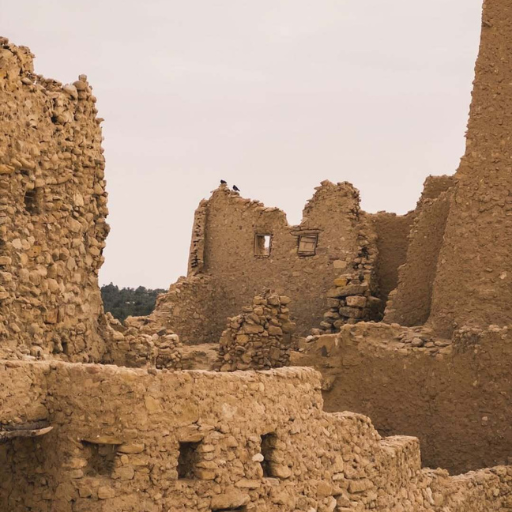
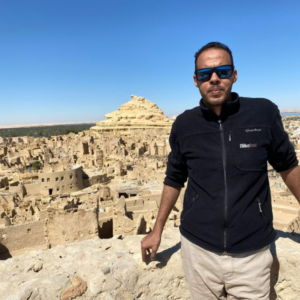
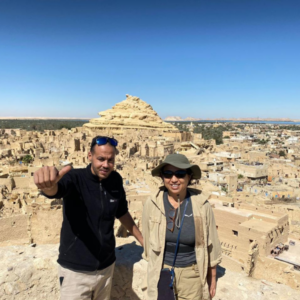
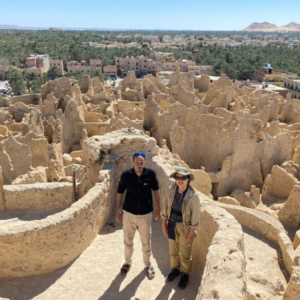
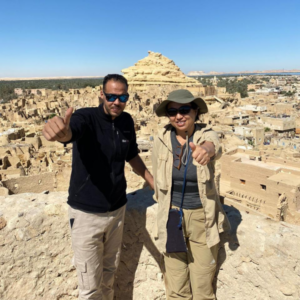
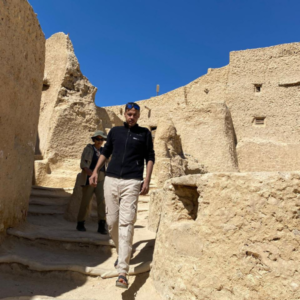
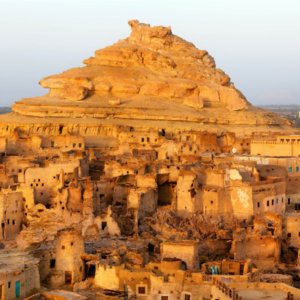
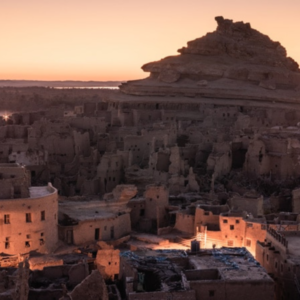
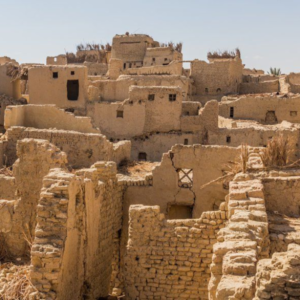
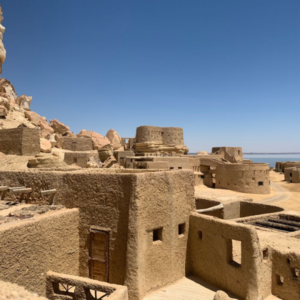
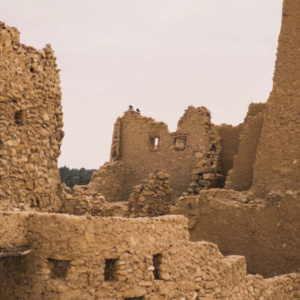
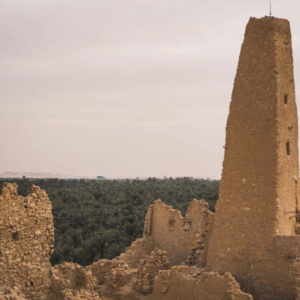
Fortezza di Shali, sometimes called the Old Town of Shali, rises above central Siwa and is one of the destination’s most recognizable landmarks.


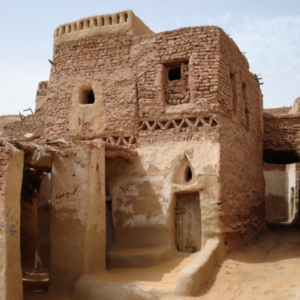
Unlike Egypt’s limestone temples and granite monuments, Shali was built largely using a traditional material known locally as kershef, made from salt-rich earth and mud.


Egypt’s Ministry of Tourism and Antiquities dates the foundation of historic Shali to around the twelfth century and explains that the fortified settlement contained homes, mosques, wells and narrow passages enclosed by defensive walls.


Walking through Shali is less about checking off a monument and more about understanding Siwa’s architectural identity.


Climb through the restored passages and elevated areas and you’ll begin to see why this spot should come early in your visit.


From above, the oasis opens around you:


palm groves,

old and modern Siwa,

saltwater in the distance,


and desert beyond the cultivated land.


The light becomes especially attractive toward late afternoon.


Shali also works as an introduction to the culture of the oasis because markets, cafes and local shops are nearby.


For official information about the historic settlement, see Egypt’s Ministry of Tourism and Antiquities guide to Shali: Shali Village in Siwa Oasis.

2. Float in the Siwa Salt Lakes

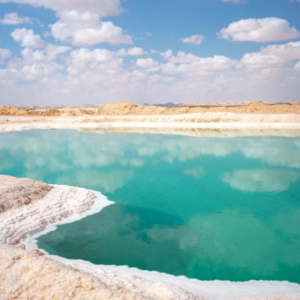
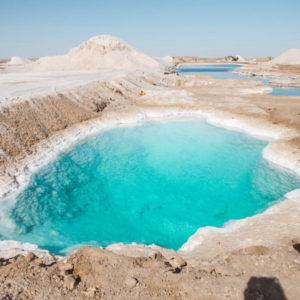
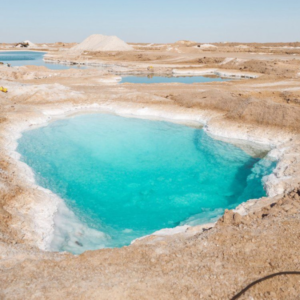
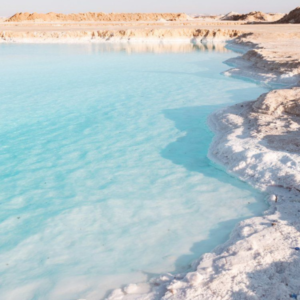
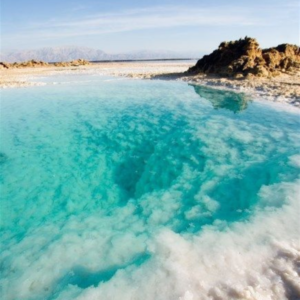
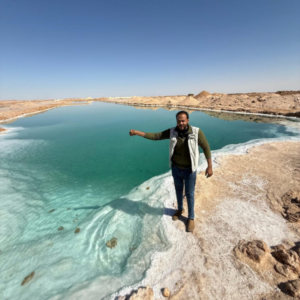
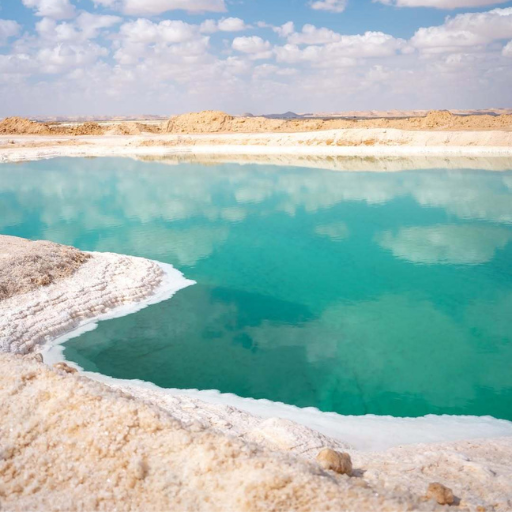
Few experiences in Siwa photograph as dramatically as its bright blue salt lakes.


The water can appear turquoise or almost electric blue against the surrounding white salt and desert landscape.


But the visual effect is only half the experience.


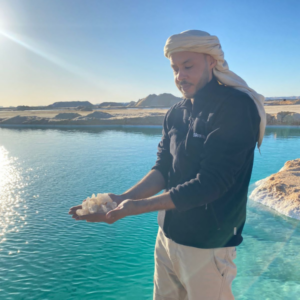
The high concentration of salt makes the water extremely buoyant, so visitors often find themselves floating with very little effort.


That has made the lakes one of the most searched-for and photographed Siwa Oasis attractions.


Egypt’s official tourism platform identifies Siwa’s salt lakes as one of the oasis’s signature natural experiences and specifically highlights floating in the clear, intensely saline water.


Tips before entering the salt lakes


Avoid shaving immediately before swimming because even tiny cuts can sting badly in highly saline water.


Keep the water away from your eyes.


Bring freshwater so you can rinse salt from your skin afterward.


Water shoes can also be useful around rough salt edges.


And don’t expect one enormous organized swimming attraction. Siwa’s salt landscape contains multiple pools and lakes, and local conditions can change.


We’ll cover the subject much more deeply in our upcoming Siwa Salt Lakes Guide, which will become the next supporting article in this cluster.

3. Swim at Cleopatra's Spring

After the extreme salinity of the salt lakes, Cleopatra’s Spring offers a completely different type of water experience.


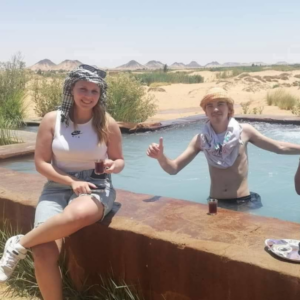
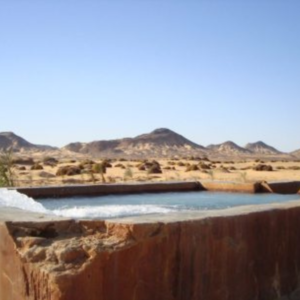
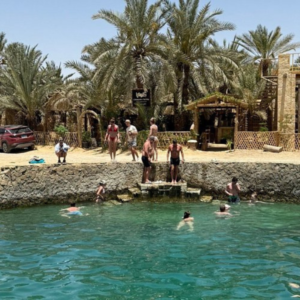
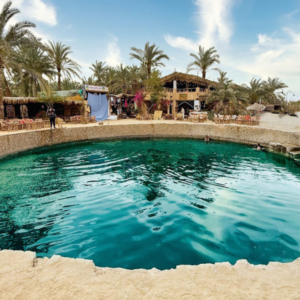
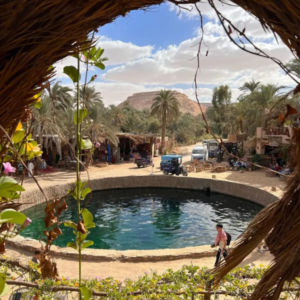
Also known as Cleopatra’s Bath or Ain Cleopatra, this circular natural spring is one of Siwa’s most popular stops.


Despite the famous name, the popular story that Cleopatra herself bathed here is a tradition rather than established historical evidence.


Egypt’s official tourism authority similarly describes the spring as being named after Cleopatra and notes the tradition that the queen supposedly bathed in its waters.


That distinction is worth making because good travel content should separate the experience from the legend.


The spring is surrounded by cafes and palm trees, so it can make an easy stop between archaeological attractions.


Some travelers swim; others simply stop for a drink and enjoy the atmosphere.


If you’re visiting in warm weather, the water can be particularly refreshing after walking around archaeological sites.


Later in this content cluster, we’ll create a full guide to Cleopatra’s Spring Siwa, including what to expect and how to combine it with nearby stops.

4. Visit the Temple of the Oracle of Amun

Siwa’s connection with Alexander the Great gives the oasis one of the most fascinating historical stories in Egypt’s Western Desert.


The Temple of the Oracle, also known as the Temple of Amun, stands at Aghurmi.


According to Egypt’s Ministry of Tourism and Antiquities, the temple dates to Egypt’s 26th Dynasty and is traditionally associated with the visit of Alexander the Great to Siwa in 331 BCE.


The temple was famous in the ancient world for its oracle.


Alexander’s journey to the remote oasis helped connect his rule in Egypt with the cult of Amun, and the episode became one of the most famous stories associated with Siwa.


Today, the surviving structure occupies an elevated position above the oasis.


That means the visit works on two levels:


you get an important archaeological site,


and you also get impressive views across the surrounding landscape.


Allow enough time to explore rather than treating it as a quick photo stop.


The Ministry of Tourism and Antiquities currently lists visiting hours and practical visitor information on its official Temple of the Oracle page: Temple of the Oracle – Ministry of Tourism and Antiquities.

5. Explore the Mountain of the Dead

Another essential archaeological stop is Gebel al-Mawta, usually translated as the Mountain of the Dead.


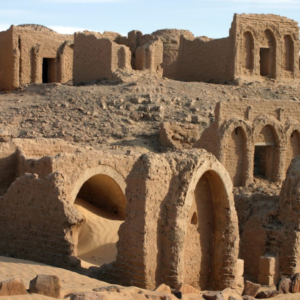
The hill rises close to Siwa and contains large numbers of rock-cut tombs.


According to Egypt’s Ministry of Tourism and Antiquities, the cemetery was used from the 26th Dynasty through later periods, including the Greco-Roman era.


Among its best-known tombs are those of Si Amun and other decorated burials preserving colorful scenes.


The site gives visitors another reminder that ancient Siwa was far from isolated from wider Egyptian religious and artistic traditions.


Yet its setting feels very different from archaeological sites along the Nile.


Instead of a vast temple complex surrounded by tour buses, you’re looking across an oasis from a desert hill filled with tombs.


That combination of archaeology and landscape makes the Mountain of the Dead especially worthwhile.


Official visitor information is available from Egypt’s Ministry of Tourism and Antiquities: Mountain of the Dead – Siwa Oasis.

6. Take a 4x4 Safari into the Great Sand Sea

For many travelers, this is where a trip to Siwa becomes a real desert adventure.


West and south of the oasis stretches the Great Sand Sea, one of the great dune landscapes of the Sahara.


Huge lines of dunes create an environment completely different from the palm groves and lakes around Siwa town.


Egypt’s official tourism resources describe the Great Sand Sea as a vast dune system extending through the Western Desert toward the Egypt-Libya frontier and highlight Siwa as one of the gateways for exploring it.


A typical Siwa desert safari may involve:


driving over dune routes,


stopping at panoramic viewpoints,


sandboarding,


watching sunset,


visiting springs,


and spending time away from the populated oasis.


This isn’t an area where I’d recommend simply driving out on your own without local knowledge.


Desert routes, access requirements and logistics matter.


Use an experienced local driver and arrange the route through an appropriate tour operator.


For a deeper look at this landscape, read our Great Sand Sea Siwa guide.


And if you want to experience the desert as part of a complete itinerary from Cairo, see our Tour dell’Oasi di Siwa dal Cairo.

7. Try Sandboarding on the Dunes

Driving over dunes is fun.


Sliding down them yourself is even better.


Sandboarding is commonly included in Great Sand Sea excursions and requires no snow, ski lift or previous winter-sports experience.


Your guide chooses a suitable dune, you carry the board upward and then slide down the face of the sand.


The activity can be as relaxed or adventurous as you want it to be.


Beginners can start on gentler slopes.


More confident travelers can try steeper dunes.


And even if you discover that you’re not particularly good at standing on the board, sitting down and sliding works perfectly well.


The best part is the setting.


Unlike artificial adventure parks, you’re doing it surrounded by one of Egypt’s largest dune landscapes.


Make sure you have secure pockets for phones, cameras and anything else that doesn’t mix well with sand.

8. Relax at Bir Wahed

One of the classic stops on Great Sand Sea excursions is Bir Wahed.


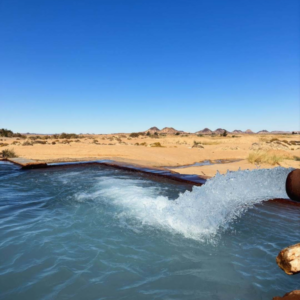
The area is associated with hot spring water in the desert and is often combined with nearby cool-water stops during safari routes.


Egypt’s official tourism portal specifically recommends Bir Wahed as one of Siwa’s desert experiences and describes its warm sulfur-rich water as a contrast to the cooler waters nearby.


The appeal is partly the spring itself.


But the setting is what makes the experience memorable.


After driving through enormous dunes, finding water in the middle of that landscape feels almost improbable.


This is one of those experiences where the journey is as important as the stop.


Don’t rush it.


Sit for a while, enjoy tea if it’s part of your safari, and take in the silence before continuing through the dunes.

9. Watch the Sunset at Fatnas Island

Not every memorable Siwa experience needs an archaeological story or 4×4 vehicle.


Sometimes the best plan is simply to find a good place and wait for sunset.


Fatnas Island, also known as Fantasy Island, is one of Siwa’s popular sunset spots.


The area overlooks water, palms and open horizon, creating layers of reflection and silhouette as the light changes.


This is an ideal place to slow down after a day filled with sightseeing.


Order a drink.


Find somewhere comfortable.


Put the phone away for at least a few minutes.


And let the oasis do the work.


If photography is important to you, arrive before sunset rather than exactly at sunset.


The softer light beforehand can be as beautiful as the moment the sun disappears.

10. Discover Siwan Amazigh Culture

Siwa’s strongest attraction isn’t actually a single landmark.


It’s Siwa itself.


The oasis has maintained cultural traditions shaped by centuries of relative geographic isolation.


Egypt’s official tourism portal describes the community as having Amazigh roots and notes the importance of Siwan traditions, language, storytelling, local hospitality and community-run tourism businesses.


That means visiting Siwa should not become a checklist where you race from one Instagram location to another.


Spend time in the town.


Eat local food.


Talk with local guides and craftspeople.


Explore locally owned shops.


Stay in an eco-lodge if that fits your travel style.


Pay attention to the architecture and clothing.


And remember that you’re visiting a living community, not an open-air museum.


Local tourism supports many families through accommodation, restaurants, guiding, crafts and other services.


Traveling respectfully matters.

11. Shop for Siwan Crafts, Dates and Olive Products

Shopping in Siwa feels different from browsing generic souvenir stalls in Egypt’s major tourist cities.


The oasis is particularly associated with dates and olives, while local craft traditions include woven items, pottery, jewelry and decorative pieces.


Because agriculture has always been essential to oasis life, date palms and olive trees are more than scenery.


They’re part of the local economy and food culture.


Take time to explore central Siwa’s shops and markets.


Rather than buying the first thing you see, compare products and ask where items were made.


Good souvenirs might include:


local dates,


olive products,


traditional woven pieces,


pottery,


or locally made decorative crafts.


Buying directly from local producers and artisans keeps more tourism spending within the oasis.

12. Explore the Palm and Olive Groves

After seeing giant dunes, Siwa’s green areas can almost feel unreal.


The presence of natural springs has supported agriculture in the oasis for generations, creating dense pockets of palm and olive cultivation surrounded by desert.


Walk or cycle through quieter agricultural areas and the pace changes completely.


There are no giant monuments.


No adrenaline.


No major attraction entrance.


Just shade, water channels, trees and local life.


This contrast is one of the reasons Siwa is worth spending several days in.


A rushed visitor sees individual attractions.


A slower traveler begins to understand the landscape connecting them.


The desert surrounds the oasis, but water makes the oasis possible.

13. Visit Dakrour Mountain

Gebel Dakrour, or Dakrour Mountain, is another landmark close to Siwa.


It offers elevated views and has strong associations with local traditions.


The area is also known in connection with Siwa’s traditional sand-bathing practices, particularly during hot periods.


Egyptian tourism authorities highlight sand bathing among Siwa’s traditional wellness practices, although visitors should distinguish local tradition from evidence-based medical treatment and should seek medical advice rather than treating sand bathing as a substitute for professional healthcare.


For the average traveler, the main reason to visit Dakrour is simpler:


the views.


From elevated ground, you can appreciate the transition from cultivated oasis to open desert much more clearly.


It is also another good location for sunrise or late-afternoon photography.

14. Stay in a Siwa Eco-Lodge

You can visit Siwa and stay in a conventional hotel.


But part of the appeal of the oasis is experiencing accommodation that reflects the destination.


Siwa is known for eco-lodges that use traditional architectural ideas, local materials and low-impact design.


Egypt’s official tourism platform highlights locally owned accommodation and eco-lodge experiences as an important part of Siwa’s tourism economy.


Staying locally can also improve the rhythm of your trip.


Instead of returning to a generic room after sightseeing, your accommodation becomes part of the experience.


Depending on your budget, options range from simple local stays to high-end desert lodges.


If you have enough time, don’t treat Siwa as somewhere to arrive late, sightsee for one day and leave immediately.


The destination rewards slower travel.

15. Combine Siwa Oasis with the White Desert

If you have about a week rather than three or four days, one of the most interesting ways to experience Egypt’s Western Desert is to combine Siwa Oasis with the White Desert.


These destinations are very different.


Siwa gives you:


salt lakes,


Amazigh culture,


ancient sites,


palm groves,


natural springs,


and the Great Sand Sea.


The White Desert gives you:


chalk formations,


remote camping,


Black Desert landscapes,


Crystal Mountain,


Agabat Valley,


and some of Egypt’s most surreal desert scenery.


Combining the two creates a much broader understanding of the Western Desert than visiting either destination alone.


For travelers with enough time, see our 7 Days Siwa Oasis & White Desert Tour.


For a shorter Siwa-focused itinerary, our 4 Days Siwa Oasis Tour from Cairo is the more practical choice.

Is Siwa Oasis Worth Visiting?

Yes — if you can give it enough time.


Siwa is not a destination I would recommend squeezing into an already packed Cairo itinerary as a rushed overnight detour.


The distance is part of the experience and part of the reason the oasis feels so different.


What makes Siwa particularly worthwhile is the variety.


Within one trip you can experience:


ancient Egyptian archaeology,


Amazigh culture,


salt lakes,


natural springs,


traditional architecture,


palm groves,


giant Sahara dunes,


4×4 adventure,


sandboarding,


and peaceful desert sunsets.


Few places in Egypt combine all of those experiences in one region.

How Many Days Do You Need in Siwa Oasis?

For most first-time visitors, 3 to 4 days in Siwa itself provides a much better experience than trying to rush the destination.


Three days can cover the core attractions if your itinerary is efficient.


Four days gives you more time for the Great Sand Sea, archaeological sites, salt lakes, local culture and relaxed evenings.


Five days or more is ideal for travelers who prefer slower travel.


We’ll explore this question in detail in the upcoming article:


How Many Days Do You Need in Siwa Oasis? 3 vs 4 vs 5 Days


If you already know that four days fits your plans, see our Tour di 4 giorni nell’Oasi di Siwa dal Cairo.

How Far Is Siwa from Cairo?

Siwa is remote.


That’s not marketing language — it’s geography.


Egypt’s official tourism distance chart estimates the road distance between Cairo and Siwa at roughly 750 km, although exact driving distance varies according to route and starting point.


That means Siwa is not a realistic day trip from Cairo.

Travel takes a significant portion of the day, which is why multi-day itineraries make far more sense.


For transport options, route planning and practical travel details, read our complete Cairo to Siwa Oasis guide.

Best Time to Visit Siwa Oasis

For most international travelers, the cooler months are more comfortable for sightseeing and desert activities than the hottest part of summer.


Daytime desert activities such as walking archaeological sites, exploring Shali and taking Great Sand Sea safaris are easier when temperatures are moderate.


Winter evenings can become surprisingly cool, however.


Don’t pack for Siwa as if “desert” automatically means hot 24 hours a day.


For a month-by-month breakdown of weather, desert conditions and seasonal considerations, read our Il periodo migliore per visitare l’Oasi di Siwa in Egitto guide.

What Should You Pack for Siwa?

Your Siwa packing list should prepare you for both desert conditions and water activities.


Useful basics include breathable clothing, sun protection, comfortable walking shoes, a warmer layer for cool evenings, swimwear, water shoes, reusable water, sunglasses and something to protect cameras and electronics from sand.


Because the salt lakes can leave heavy salt residue on clothes and skin, carrying a towel and a change of clothes is also useful.


Rather than duplicating an entire checklist here, use our complete Cosa portare nell’Oasi di Siwa in Egitto guide before departure.

Is Siwa Oasis Safe to Visit?

Travel conditions can change, particularly in remote desert and border regions, so travelers should check current official travel advice and follow local regulations before departure.


Within Siwa, visitors should also use experienced operators for desert excursions and follow any permit or access requirements applying to remote routes.


We’ve created a separate Guida alla sicurezza nell’Oasi di Siwa in Egitto so this article can remain focused on attractions rather than duplicating safety information.


For any remote Western Desert itinerary, current conditions should always take priority over old blog posts or social-media advice.

Siwa Oasis Independently vs Organized Tour

Can you travel to Siwa independently?


Yes, parts of the trip can certainly be arranged yourself.


Once you’re in Siwa, central attractions such as Shali, markets, Cleopatra’s Spring and some archaeological sites can be visited relatively easily.


But the equation changes when you’re talking about remote desert experiences.


For the Great Sand Sea and deeper off-road routes, working with local guides and suitable vehicles makes far more sense.


A structured tour is especially useful if you want to minimize time spent organizing:


Cairo transfers,


accommodation,


local guiding,


desert transportation,


safari activities,


and attraction sequencing.


Travelers who value flexibility and privacy can look at our Tour privato dell’Oasi di Siwa dal Cairo.


If you’re still comparing formats, our Il miglior tour dell’Oasi di Siwa dal Cairo guide explains what to look for.

A Suggested Siwa Oasis Experience

If this is your first visit, try not to build the itinerary around simply visiting the maximum number of places.


A balanced trip might combine:


the archaeological side of Siwa,


the salt lakes and springs,


one full desert safari experience,


local culture,


and enough unstructured time to actually enjoy the oasis.


For example, you might spend one day around Shali, the Temple of the Oracle, Cleopatra’s Spring and nearby sites.


Use another day for salt lakes, Mountain of the Dead and slower exploration.


Then dedicate a proper half or full day to the Great Sand Sea.


Keep at least one sunset relatively free.


Siwa is one of those destinations where an hour spent drinking tea overlooking palm trees can be more memorable than squeezing in an extra attraction.

Plan Your Siwa Oasis Trip from Cairo

Siwa is not the easiest destination to reach in Egypt.


That’s part of why it remains memorable.


By the time you arrive, Cairo feels very far away.


The landscape changes.


The rhythm changes.


The architecture changes.


Even the type of desert experience changes.


If you want an itinerary that combines Siwa’s essential attractions with desert adventure, explore our Tour dell’Oasi di Siwa dal Cairo.


For travelers who want a shorter structured itinerary, see the 4 Days Siwa Oasis Tour from Cairo.


For privacy and flexibility, choose a Tour privato dell’Oasi di Siwa dal Cairo.


And if Siwa is only one part of your Egyptian desert adventure, browse all Egypt Desert Dunes tours

- Tours Carousel
Plan Your Desert Adventure

Book a Tour or Create Your Own Egypt Experience

Choose one of our ready-made tours or customize your own private journey. Select your destinations, duration and travel style, then send your request directly to Egypt Desert Dunes on WhatsApp.

Book Your Desert Tour

Select your preferred itinerary and send us your travel details. Our team will reply on WhatsApp with availability and the final quote.

Choose Your Tour *
Please select a tour and complete your name, travel date and number of travelers.
Your booking request will open directly in WhatsApp. No payment is made through this form.

Create Your Own Private Egypt Tour

Combine Cairo, Giza, Fayoum, the Western Desert and Siwa in one custom itinerary. Choose the destinations and experiences you want and our team will recommend the best route based on your available days.

Which Places Would You Like to Visit? *
Select as many destinations as you like. Egypt Desert Dunes will recommend the best route according to your trip duration.
What Are You Most Interested In?
Please enter your name, number of travelers, trip duration and select at least one destination.
Egypt Desert Dunes will review your selections and send you a customized itinerary and quotation on WhatsApp.
✓ Available on Viator

Book Egypt Desert Dunes Tours on Viator

Discover our private White Desert camping adventures and Siwa Oasis experience. Choose your favorite itinerary and complete your reservation securely through Viator.

✓ Private Tours
✓ Cairo Pickup
✓ Mobile Ticket
✓ English Speaking Team
✓ Book Through Viator
4-Day Private White Desert Camping Tour from Cairo by Egypt Desert Dunes
✓ Book on Viator
Tour privato
White Desert • Bahariya Oasis • Egypt
⏱ 4 Days / 3 Nights ★ 5.0 (4 Reviews)

4-Day Private Camping Tour in the White Desert from Cairo

Go deeper into Egypt's Western Desert with a private four-day camping adventure including spectacular desert landscapes, Black Desert, White Desert, open-air meals and three nights beneath the stars.

Cairo Pickup Tour privato Campeggio nel deserto Meals Included
Reference price from
€588 / person*
Check Viator for today's live price
View on Viator →
2-Day 1-Night White Desert Camping Tour from Cairo by Egypt Desert Dunes
✓ Book on Viator
Best Short Trip
White Desert • Black Desert • Egypt
⏱ 2 Days / 1 Night ★ 5.0 (3 Reviews)

2-Day, 1-Night Camping Tour in White Desert from Cairo

Our most compact White Desert adventure for travelers who want to experience the desert from Cairo, explore its unique landscapes and spend an unforgettable night camping beneath the stars.

1 Night Camping Cairo Pickup Breakfast Lunch & Dinner
Reference price from
€197 / person*
Price varies by date and group size
View on Viator →
3-Day Private White Desert Camping Tour from Cairo by Egypt Desert Dunes
✓ Book on Viator
Popular Choice
Black Desert • Aqabat • White Desert
⏱ 3 Days / 2 Nights ★ 5.0 (5 Reviews)

3-Day Private Camping Tour of White Desert from Cairo

Spend three days exploring the Western Desert, including the Black Desert, Crystal Mountain, Aqabat area and White Desert, with two nights of private desert camping.

2 Nights Camping Deserto Nero Il Deserto Bianco Private Experience
Reference price from
€394 / person*
Check Viator for today's live price
View on Viator →
4-Day Siwa Oasis Trip from Cairo by Egypt Desert Dunes
✓ Book on Viator
Siwa Experience
Siwa Oasis • Western Desert • Egypt
⏱ 4 Days Egypt Desert Dunes • 14 Operator Reviews

Siwa Oasis Trip with Cairo Pick Up

Travel from Cairo to legendary Siwa Oasis on a private four-day journey exploring Siwan culture, desert landscapes, Lake Siwa, traditional sites and some of the oasis's most distinctive attractions.

4 Days Cairo Pickup Siwa Hotel Meals Included
Reference price from
$1,150 / adult*
Check Viator for today's live price
View on Viator →
*Important: Prices shown above are reference “from” prices observed while reviewing the listings and may change based on travel date, number of travelers, availability, currency and Viator pricing. Click “View on Viator” for the current final price before booking.

Explore Egypt's Desert with Egypt Desert Dunes

From a one-night White Desert camping adventure to extended Western Desert and Siwa Oasis experiences, choose the itinerary that matches your travel style and complete your booking through Viator.

Explore Our Tours →

FAQ — Things to Do in Siwa Oasis Egypt

What are the best things to do in Siwa Oasis Egypt? +

The best things to do in Siwa Oasis include exploring Fortezza di Shali, floating in the salt lakes, visiting Sorgente di Cleopatra, seeing the Temple of the Oracle, exploring the Mountain of the Dead, taking a 4x4 safari into the Great Sand Sea, sandboarding, visiting Bir Wahed and watching the sunset at Fatnas Island.

Is Siwa Oasis worth visiting? +

Yes. Siwa Oasis is worth visiting for travelers interested in desert landscapes, natural springs, salt lakes, ancient history, local Amazigh culture and 4x4 desert adventures. Because of its remote location, it is best suited to travelers who can spend several days rather than attempting a rushed visit.

How many days do you need in Siwa Oasis? +

Most first-time visitors should allow at least three to four days in Siwa. Four days gives you enough time to combine archaeological sites, the salt lakes, springs, local culture and a Great Sand Sea safari without rushing every stop.

How far is Siwa Oasis from Cairo? +

Siwa is in Egypt's Western Desert, and official Egyptian tourism material lists the approximate road distance from Cairo at around 750 km. Travel time varies depending on route, stops and road conditions, so Siwa should be planned as a multi-day destination rather than a day trip.

Can you swim in the Siwa salt lakes? +

Yes. Swimming or floating in Siwa's highly saline lakes is one of the oasis's most popular experiences. The water is extremely salty, so avoid getting it in your eyes or fresh cuts and rinse with freshwater afterward.

What is Siwa Oasis famous for? +

Siwa is famous for its salt lakes, Fortezza di Shali, Sorgente di Cleopatra, Temple of the Oracle of Amun, Mountain of the Dead, palm and olive groves, Amazigh cultural heritage and access to the Great Sand Sea.

Did Alexander the Great visit Siwa Oasis? +

Ancient tradition and Egyptian archaeological authorities associate Alexander the Great with a visit to Siwa's Oracle of Amun in 331 BCE. The Temple of the Oracle remains one of the oasis's most important archaeological attractions.

Can you visit the Great Sand Sea from Siwa? +

Yes. Siwa is one of the main gateways for excursions into the Great Sand Sea. Visitors usually explore the dunes on organized 4x4 safaris with local drivers and guides.

What is the best time to visit Siwa Oasis? +

The cooler months are generally the most comfortable for desert sightseeing and outdoor activities. Winter evenings can become cool, while summer daytime temperatures may be challenging for long periods outdoors.

Can you visit Siwa Oasis without a tour? +

Yes, travelers can arrange transport and accommodation independently and visit many attractions around Siwa town. However, remote desert activities such as Great Sand Sea safaris are better arranged with experienced local guides and appropriate off-road transportation.

Is Siwa Oasis good for families? +

Siwa can be suitable for families who are comfortable with the long journey from Cairo. Salt lakes, springs, desert dunes, sandboarding and archaeological sites provide a varied itinerary, although the pace should be adjusted for younger children.

What should I not miss in Siwa Oasis? +

For a first visit, prioritize Fortezza di Shali, the Siwa salt lakes, Temple of the Oracle, Sorgente di Cleopatra, Mountain of the Dead and a Great Sand Sea safari. If time allows, add Fatnas Island, Bir Wahed and local markets.

Official External Resources

For additional authoritative destination information, travelers can use Egypt's official tourism portal: Experience Egypt — Siwa Oasis .

For archaeological information, use Egypt's Ministry of Tourism and Antiquities resources for the Temple of the Oracle , Mountain of the Dead and historic Shali Village .

Lascia un commento

Il tuo indirizzo email non sarà pubblicato. I campi obbligatori sono contrassegnati *