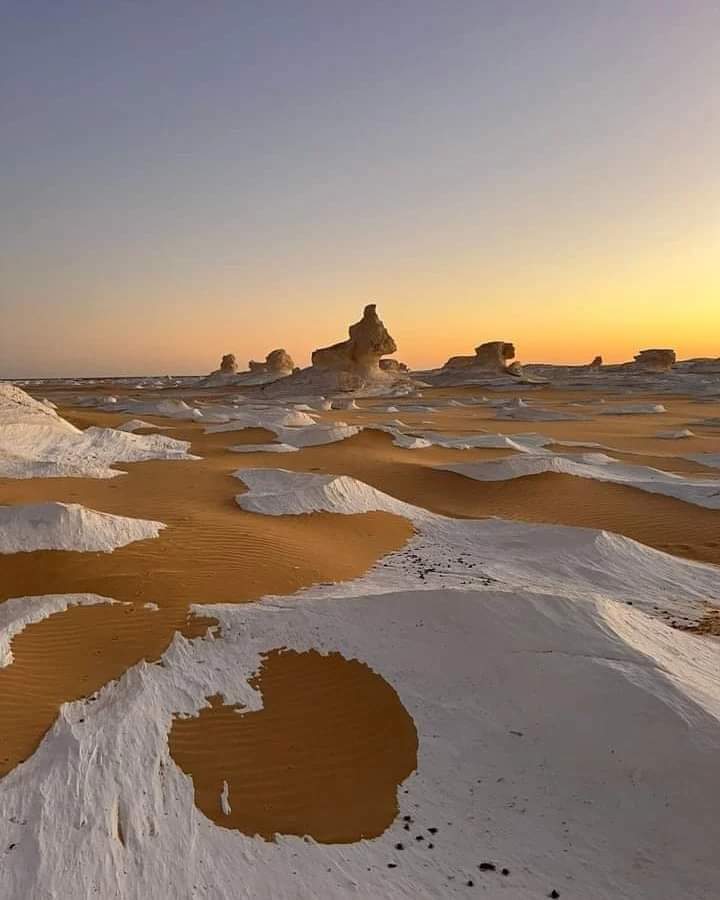
Wadi Al-Hitan Egypt: Complete Whale Valley Travel & Visitor Guide

Wadi Al-Hitan Egypt: Complete Whale Valley Travel & Visitor Guide

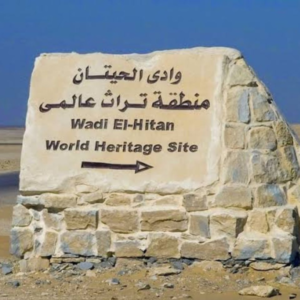
Wadi Al-Hitan Egypt, also known as Whale Valley or the Valley of the Whales, is one of the world’s most extraordinary fossil destinations and a UNESCO World Heritage Site located in Egypt’s Western Desert.


Hidden among the dramatic landscapes of Fayoum, this remarkable valley contains fossilized skeletons of prehistoric whales that lived approximately 37–40 million years ago, when parts of present-day Egypt were covered by an ancient sea.


Today, visitors can walk through a protected desert landscape and observe the remains of ancient marine animals preserved in the same geological environment where they were discovered.


It is an experience unlike visiting the pyramids, exploring an archaeological temple, or enjoying an ordinary desert safari.


At Wadi Al-Hitan, you are witnessing evidence of one of the most fascinating transformations in the history of life on Earth: the evolution of whales from land-dwelling ancestors into fully aquatic mammals.


The valley’s scientific importance, unusual desert scenery, and open-air fossil displays make it one of Egypt’s most remarkable natural attractions.


But visiting Whale Valley requires planning.


The site is located within the Wadi El Rayan Protected Area, away from major towns and conventional tourist facilities. Reaching it generally involves a guided desert excursion, appropriate transportation, and enough time to explore the fossil trails and museum.


Is Wadi Al-Hitan worth visiting? Absolutely—especially for travelers interested in natural history, wildlife evolution, geology, photography, and discovering a different side of Egypt beyond its ancient monuments.


In this complete visitor guide, you will learn why Whale Valley is famous, what fossils you can see, how to visit from Cairo, how much time to allow, the best travel season, entrance fees, safety considerations, and how to combine the experience with a private Fayoum desert safari.


For a broader introduction to the destination, explore our Fayoum Tours from Cairo.

- Tours Carousel

Wadi Al-Hitan Egypt: Quick Facts

Here are the essential details for planning your visit.

Question

Answer

Official name

Wadi Al-Hitan

Other names

Wadi El-Hitan, Whale Valley, Valley of the Whales

Location

Fayoum Governorate, Egypt

Region

Western Desert

Protected area

Wadi El Rayan Protected Area

UNESCO status

World Heritage Site

UNESCO inscription

2005

UNESCO criterion

Natural criterion (viii), geological history

Famous for

Fossilized prehistoric whales

Approximate fossil age

Around 37–40 million years

Main attractions

Open-air whale fossils, fossil trails, and museum

Access

Organized desert transportation and designated visitor routes

Best general season

October to April

Time at the site

Approximately 2–3 hours for a meaningful visit

Can you visit from Cairo?

Yes, on a long organized day trip

Can you combine it with Fayoum attractions?

Yes, depending on the itinerary

Important: Visitor access, opening hours, ticket prices, and permitted activities can change. Confirm the current arrangements before departure.

What Is Wadi Al-Hitan, and Why Is It Famous?

Wadi Al-Hitan is a protected fossil valley in Egypt’s Fayoum region, internationally recognized for preserving exceptionally important evidence of early whale evolution.


The name translates into English as “Valley of the Whales.”


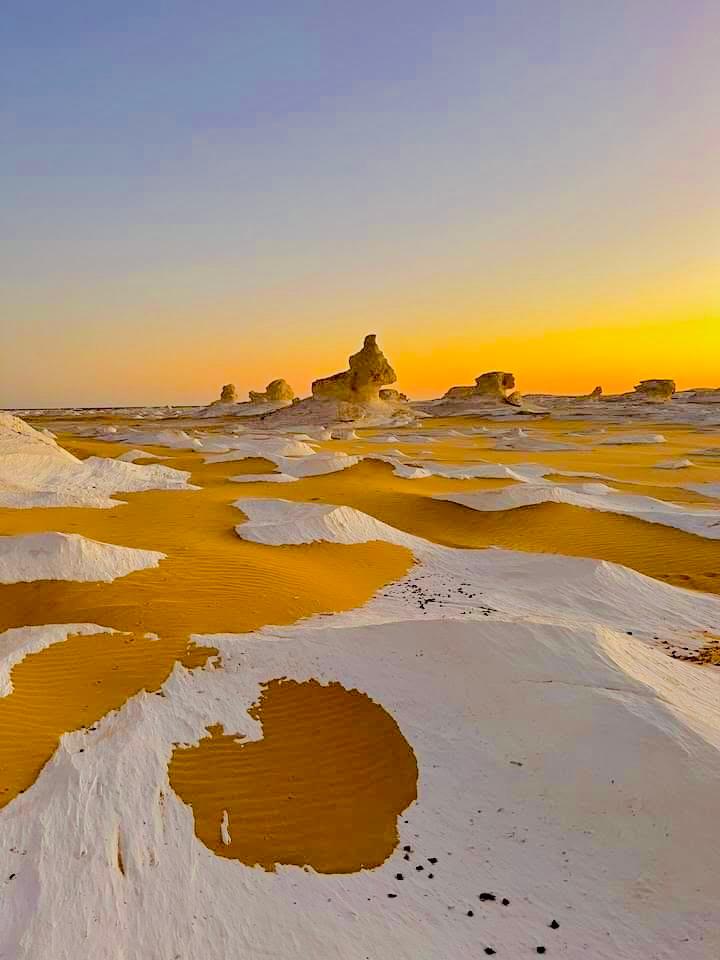
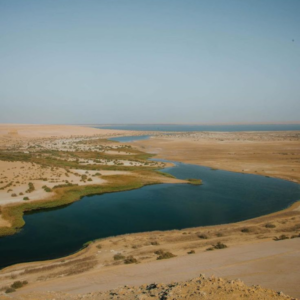
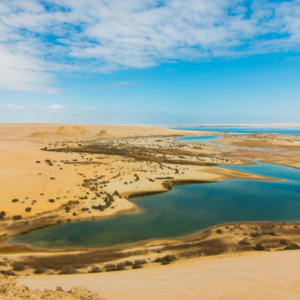
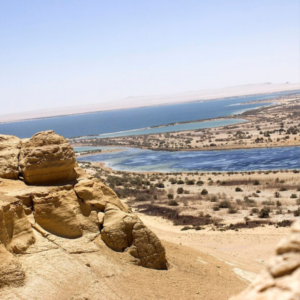
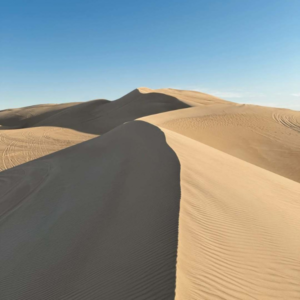
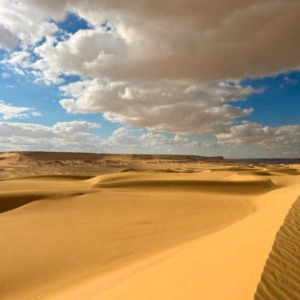
At first glance, the landscape appears to be a remote desert filled with sandstone hills, open plains, and unusual geological formations.


However, the rocks contain the remains of ancient marine animals that lived millions of years before humans appeared.


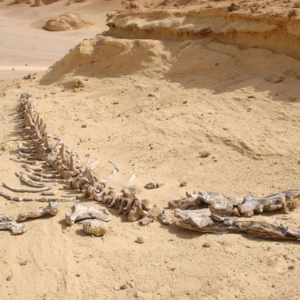
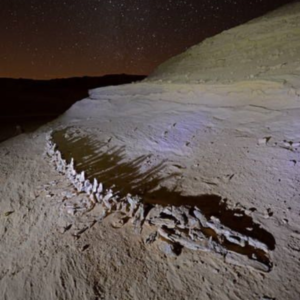
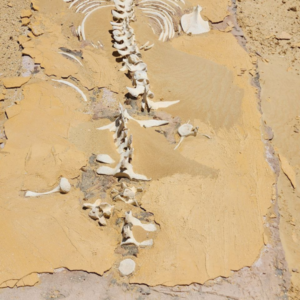
The most remarkable discoveries include skeletons of early whales belonging to the extinct group known as Archaeoceti.


These animals represent important stages in the evolution of modern whales.


Some possessed small hind limbs, providing evidence of their evolutionary connection to land-dwelling mammals.


The fossils are especially valuable because many remain in their original geological context.


Visitors can observe the relationship between the ancient skeletons and the rocks that preserved them.


According to the UNESCO World Heritage Centre, Wadi Al-Hitan is among the world’s most important sites for understanding the evolution of whales.


The concentration, preservation, and accessibility of the fossils make it scientifically exceptional.

Where Is Wadi Al-Hitan Located in Egypt?

Wadi Al-Hitan is located in Fayoum Governorate, southwest of Cairo, within Egypt’s Western Desert.


The site forms part of the wider Wadi El Rayan Protected Area.


Although it is associated with Fayoum Oasis, Whale Valley is not located in the center of Fayoum city.


Visitors must travel farther into the desert to reach the protected fossil landscape.


This is an important distinction when planning transportation.


Reaching Fayoum from Cairo is relatively straightforward compared with continuing to the more remote fossil site.

How Far Is Wadi Al-Hitan from Cairo?

The full journey from Cairo to Whale Valley generally requires several hours each way.


Depending on your starting location, road conditions, and chosen approach, travelers should allow approximately three to four hours or more for the journey to the visitor area.


The route usually includes paved roads followed by a desert-access section.


The final approach may require suitable 4×4 transportation.


Travel times vary, so they should not be treated as guaranteed.

Is Wadi Al-Hitan Close to Wadi El Rayan?

Wadi Al-Hitan lies within the wider Wadi El Rayan Protected Area.


However, the fossil valley and the famous Wadi El Rayan waterfalls are different attractions.


They are not within a short walking distance of each other.


Visitors who want to see both should plan transportation between the locations.


For a complete regional overview, read our Things to Do in Fayoum Egypt.

Why Is Wadi Al-Hitan a UNESCO World Heritage Site?

Wadi Al-Hitan was added to the UNESCO World Heritage List in 2005 because of its outstanding importance to the geological and evolutionary history of life on Earth.


It was recognized under natural criterion (viii).


This criterion concerns exceptional examples of Earth’s history, geological processes, and significant stages in the development of life.


Whale Valley provides unusually clear evidence of a major evolutionary transition.


The fossil record shows how early whales adapted from ancestors that lived on land to animals increasingly specialized for life in water.

What Makes the Fossils So Important?

Scientists have discovered large numbers of prehistoric whale remains in the valley.


Some skeletons are remarkably complete.


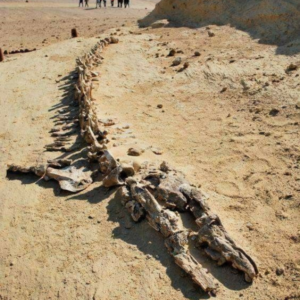
Others preserve important anatomical features, including skulls, vertebrae, ribs, and reduced hind limbs.


These discoveries help researchers understand changes in whale anatomy, movement, feeding behavior, and adaptation to marine environments.


The site also contains fossils of other animals and plants that help reconstruct the ancient ecosystem.


The combination of whale skeletons and environmental evidence makes Wadi Al-Hitan an exceptional scientific resource.

Is Wadi Al-Hitan Egypt's Only Natural UNESCO Site?

Wadi Al-Hitan is recognized as Egypt’s first natural World Heritage Site.


Its UNESCO designation distinguishes it from Egypt’s better-known cultural heritage sites, such as ancient archaeological monuments.


For travelers interested in UNESCO destinations, Whale Valley offers an opportunity to discover Egypt’s natural history.


You can find the official designation and scientific explanation on the UNESCO Wadi Al-Hitan World Heritage page.

Why Are There Whale Fossils in the Egyptian Desert?

One of the most fascinating questions about Wadi Al-Hitan is why the remains of marine animals are found in a dry desert landscape.


The answer lies in Egypt’s ancient geological history.


Approximately 40 million years ago, during the Eocene epoch, the environment was dramatically different.


Parts of the region were covered by a warm sea associated with the ancient Tethys Ocean.


Marine animals lived and died in these waters.


Over time, their remains became buried beneath layers of sediment.


Minerals gradually replaced or preserved parts of the skeletal material, creating fossils.

How Did the Ancient Sea Become a Desert?

Over millions of years, geological processes changed the region.


Sea levels shifted, sedimentary deposits accumulated, and the landscape was gradually exposed.


Later erosion removed some of the surrounding material.


This revealed fossil-bearing rock layers that had remained buried for millions of years.


Today, the result is an extraordinary desert landscape containing evidence of an ancient marine ecosystem.


The contrast is part of what makes the site so memorable.


Visitors are standing in a dry desert while examining the remains of animals that once swam through seawater.

What Other Marine Animals Lived Here?

The ancient environment supported more than whales.


Fossils found within the wider region include evidence of sharks, rays, turtles, crocodilians, and other marine organisms.


Different rock layers also contain shells and traces of ancient coastal environments.


Together, these discoveries help scientists reconstruct the ecology of the ancient sea.


The Evolution of Whales: What Wadi Al-Hitan Reveals


Wadi Al-Hitan provides important evidence that modern whales evolved from earlier mammalian ancestors associated with terrestrial environments.


Over many millions of years, these ancestors became increasingly adapted to life in water.


Their bodies changed significantly.


Limbs were modified, swimming became more efficient, and anatomical features evolved to support aquatic life.


Early whales did not transform into modern whales in one sudden event.


The process involved many generations and different evolutionary branches.

Why Did Early Whales Have Legs?

Some ancient whales retained small hind limbs.


These structures are particularly important because they help demonstrate the evolutionary relationship between early whales and their land-dwelling ancestors.


However, the reduced hind limbs of later archaeocete whales were not equivalent to the functional walking legs of fully terrestrial mammals.


By the time animals such as Basilosaurus lived, they were already highly adapted to aquatic environments.


Their small hind limbs were not suitable for ordinary walking on land.

What Do the Fossils Tell Scientists?

The fossils help researchers examine several important questions.


How did whale bodies become streamlined?

How did their limbs change?

How did their feeding behavior develop?

How were they adapted to swimming?

How did the ancient marine environment influence their evolution?


Wadi Al-Hitan provides unusually valuable evidence for answering these questions.


For more scientific background, explore the IUCN report on the discovery of an exceptionally complete Basilosaurus fossil.

What Whale Fossils Can You See at Wadi Al-Hitan?

The fossil displays are the main attraction.


Visitors can observe ancient skeletons and geological features at designated locations within the protected visitor area.


The exact fossil stations available depend on current site management and access arrangements.


  1. Basilosaurus Fossils

Basilosaurus is one of the best-known prehistoric whales associated with Wadi Al-Hitan.


Despite its name, Basilosaurus was not a dinosaur or reptile.


It was an ancient whale.


The scientific name reflects an early misunderstanding of the fossil’s identity.


Basilosaurus had an elongated body, a large skull, and powerful teeth.


Some individuals reached impressive lengths.


Fossils of this animal provide evidence of a highly developed marine predator.


  1. Dorudon Fossils

Dorudon was another important early whale.


It was smaller than Basilosaurus and had a different body structure.


Fossils of Dorudon contribute to our understanding of early whale diversity.


They also help researchers compare different species that lived in the same general period.


  1. Vertebrae and Ribcages

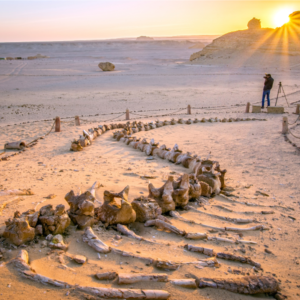
Some exposed fossils are recognizable because of their long sequences of vertebrae.


Visitors may also see sections of ribcages preserved within the surrounding rock.


These remains provide a visual impression of the size and anatomy of ancient whales.


  1. Other Marine Fossils

The wider fossil record includes additional animals and organisms associated with ancient marine environments.


Not every fossil is necessarily visible along the visitor route.


Some remains are preserved for research, while others are displayed in the museum.


Important: Fossils must never be touched, moved, collected, or damaged.

They are protected scientific heritage.

Wadi Al-Hitan Fossil and Climate Change Museum

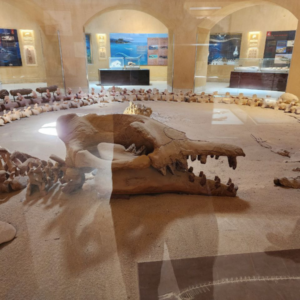
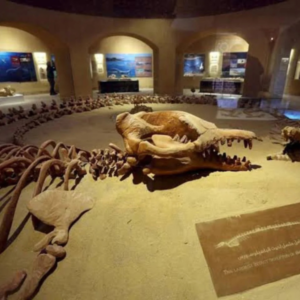
One of the most important parts of visiting Whale Valley is the Wadi Al-Hitan Fossil and Climate Change Museum.


The museum opened in January 2016 through cooperation involving Egyptian authorities, the Italian government, and the United Nations Development Programme.


It was developed to help visitors understand the fossil discoveries and the environmental history of the region.


Unlike a conventional city museum, the building was designed to blend into the surrounding desert landscape.


Its architecture uses forms that complement the natural scenery.

What Can You See Inside the Museum?

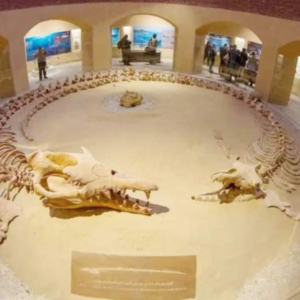
The museum presents prehistoric whale fossils and explanations of the geological changes that transformed the region.


A major attraction is the remarkable Basilosaurus isis skeleton.


The exhibition helps visitors understand the anatomy of early whales and the evolutionary significance of their reduced hind limbs.


Other displays introduce the geological history of the region and evidence of ancient environments.

Why Visit the Museum Before the Fossil Trail?

Visiting the museum first can make the outdoor experience more meaningful.


The displays provide background about the animals, their environment, and the importance of the fossils.


After learning about these subjects, visitors may find it easier to recognize features of the exposed skeletons outside.


However, the best sequence depends on the site arrangements and your guide.

How Long Should You Spend in the Museum?

Allow approximately 30–60 minutes for a general visit.


Travelers with a strong interest in geology or paleontology may prefer longer.


The actual time depends on the available exhibitions and visitor conditions.


Learn more about the museum’s development through the United Nations Development Programme’s museum inauguration coverage.


Walking Through the Open-Air Fossil Valley


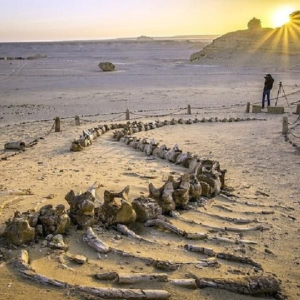
One of the most remarkable aspects of Wadi Al-Hitan is that visitors can explore selected fossil locations within the natural desert environment.


Rather than seeing every skeleton behind glass, you can observe fossils preserved within the landscape where they were found.


The protected visitor area includes designated walking routes connecting important geological features.


What Is the Walking Experience Like?


The terrain includes sand, compact desert surfaces, and uneven rocky ground.


Walking difficulty depends on the route, weather, and individual fitness.


The site is exposed, with limited natural shade.


During warmer weather, even a relatively short walk can feel demanding.


Are the Fossil Trails Marked?


The World Heritage site’s management system includes designated pedestrian routes and protected fossil localities.


Visitors should follow current signs, barriers, and instructions from authorized staff.


Do not leave marked routes to reach a fossil that appears closer from another direction.


Can You Drive Between the Fossils?


The protected fossil zone is managed to prevent damage from vehicles.


Visitors reach the designated access and parking areas using appropriate transportation, then explore permitted fossil locations on foot.


UNESCO specifically identifies the control of vehicle access as essential to protecting the site.


Off-road driving across fossil beds is not an acceptable sightseeing activity.


How Much Walking Is Required?


The amount of walking depends on which sections of the visitor route you explore.


Travelers who prefer shorter walks should discuss their needs with their guide.


You do not need to approach every exposed fossil to appreciate the site’s importance.


Allow approximately one to two hours for a relaxed outdoor exploration, depending on conditions.

How to Get to Wadi Al-Hitan from Cairo

The most practical way for many international travelers to reach Wadi Al-Hitan from Cairo is through an organized Fayoum tour with appropriate desert transportation.


Although Fayoum itself is relatively close to Cairo, Whale Valley lies farther inside the protected desert landscape.


The journey requires more planning than a conventional city excursion.


Step 1: Leave Cairo for Fayoum


Most guided excursions begin with pickup from Cairo or Giza.


Travelers head southwest toward the Fayoum region.


The main road journey takes travelers away from the capital and toward quieter agricultural and desert landscapes.


Step 2: Continue Toward Wadi El Rayan


The route continues toward the Wadi El Rayan Protected Area.


Depending on the itinerary, visitors may stop at lakes, waterfalls, or desert viewpoints.


These attractions are separate from the Whale Valley fossil site.


Step 3: Travel to the Fossil Valley


The final approach involves remote desert access.


Suitable 4×4 transportation and an experienced driver are strongly recommended.


Road and access conditions can change.


Step 4: Explore the Museum and Fossil Trails


After reaching the designated visitor area, follow the approved route and site regulations.


Visit the museum and selected outdoor fossil displays.


Can You Visit Independently?


Independent travel requires careful preparation.


There is no ordinary public bus service that takes visitors directly between Cairo and the fossil trails.


Travelers should confirm current access requirements and arrange appropriate transportation.


A local guide familiar with the reserve can help with navigation and visitor procedures.


For travelers comparing excursions outside Cairo, read our Best Desert Trips from Cairo.

Can You Visit Wadi Al-Hitan on a Day Trip from Cairo?

Yes. Wadi Al-Hitan can be visited on an organized day trip from Cairo, but it is a long excursion that requires an early start and realistic scheduling.


The driving time is a major consideration.


You should allow enough time for the journey into Fayoum, the desert approach, the fossil museum, the outdoor visitor trails, and the return to Cairo.


What Can a One-Day Tour Include?


Depending on the available time, a guided itinerary may combine Whale Valley with selected Fayoum attractions.


Popular stops include Wadi El Rayan, the waterfalls, Magic Lake, and desert viewpoints.


However, spending substantial time at every attraction may not be realistic.


If Whale Valley is your main priority, tell the operator before departure.


This allows the itinerary to prioritize the fossils and museum.

Egypt Desert Dunes Fayoum Day Trip

Egypt Desert Dunes offers a private Fayoum day trip from Cairo that includes Wadi Al-Hitan and the fossil museum.


The published itinerary also features Wadi El Rayan, waterfalls, Magic Lake, Mudawara Mountain, Lake Qarun, and Tunis Village.


The program includes a Jeep safari, lunch, drinking water, refreshments, and national park and museum tickets.


Actual stops and timing should be confirmed before booking.


Explore our Private Fayoum Day Trip from Cairo.


Is an Overnight Fayoum Tour Better?


For travelers who prefer a less compressed schedule, an overnight Fayoum tour may be more comfortable.


Spending one night in the region allows you to avoid returning to Cairo immediately after a full sightseeing day.


It can also provide a more relaxed overall experience.


However, you should still check the actual itinerary.


An overnight package does not automatically mean you will spend two full days at Whale Valley.

Egypt Desert Dunes Two-Day Fayoum Tour

The company’s published two-day program includes a guided Fayoum safari with Wadi Al-Hitan, the museum, Wadi El Rayan, waterfalls, Magic Lake, and Mudawara Mountain.


After sightseeing on the first day, travelers continue to Tunis Village.


The program includes one night of hotel accommodation.


The second day focuses on breakfast, checkout, and the return journey to Cairo.


This is useful for travelers who want to experience the main attractions without driving all the way back to Cairo on the same evening.


Discover our Fayoum Oasis Tour from Cairo — 2 Days.

Wadi Al-Hitan Day Trip vs Overnight Tour

Choosing between a day trip and an overnight tour depends on your available time and travel preferences.

Feature

Day Trip from Cairo

Overnight Fayoum Tour

Duration

One day

Two days / one night

Starting point

Cairo or Giza

Cairo or Giza

Whale Valley visit

Included in the published program

Included in the published program

Fossil museum

Included

Included

Jeep safari

Included

Included

Overnight accommodation

Not included

Hotel stay in Tunis Village

Return to Cairo

Same evening

Following day

Main advantage

Efficient for limited time

Avoids the same-day return

Best for

Travelers with one free day

Travelers wanting an overnight escape

Which should you choose?


Choose the day trip if you have limited time and are comfortable with a long excursion.


Choose the overnight program if you prefer to stay in Fayoum after sightseeing.


Both can provide a memorable Whale Valley experience.

What Other Attractions Can You Combine with Wadi Al-Hitan?

Fayoum is much more than one fossil site.


The region contains lakes, waterfalls, desert hills, traditional villages, and remarkable natural landscapes.


A guided excursion can combine several attractions when time permits.


  1. Wadi El Rayan Waterfalls

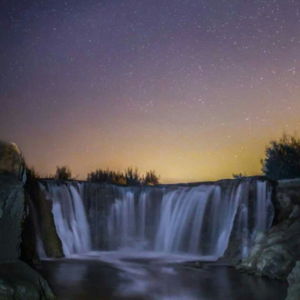
Wadi El Rayan is famous for its lakes and waterfalls.


The landscape creates an unusual combination of water and desert scenery.


It is one of the most popular stops on Fayoum tours.


However, the waterfalls and Whale Valley are separate locations within the wider protected region.


  1. Magic Lake Fayoum

Magic Lake is known for its attractive desert surroundings and changing appearance under different lighting conditions.


Visitors often enjoy photography, scenery, and nearby desert activities.


A suitable Jeep route may include the lake.


  1. Mudawara Mountain

Mudawara Mountain is a recognizable geological landmark near the Wadi El Rayan lake area.


It offers impressive views of the surrounding desert and lakes.


Photography is a popular activity.


  1. Lake Qarun

Lake Qarun is another important feature of Fayoum.


The lake adds a contrasting environment to the region’s desert landscapes.


Depending on the route, travelers may enjoy views of the lake before continuing toward other attractions.


  1. Tunis Village

Tunis Village is famous for its pottery workshops and relaxed rural atmosphere.


It offers a cultural contrast to the fossil valley.


Visitors can explore local crafts and learn about the village’s artistic traditions.


For a wider itinerary, discover our Fayoum Tours from Cairo.

Best Time to Visit Wadi Al-Hitan Egypt

October through April is generally the most comfortable period for visiting Wadi Al-Hitan, particularly if you want to explore the outdoor fossil trails.


The main reason is temperature.


Whale Valley is an exposed desert environment with limited shade.


Weather conditions can significantly affect how comfortable the visit feels.


October and November


Autumn can provide pleasant conditions for sightseeing.


The cooler weather is generally more suitable for walking than the hottest summer months.


December to February


Winter is an attractive season for visiting Whale Valley.


Daytime conditions are often comfortable for desert exploration.


However, early mornings and evenings can be cool.


Bring suitable layers.


March and April


Spring can be another good period.


Temperatures generally begin increasing, and occasional wind or dust may affect visibility.


May to September


Summer temperatures can be extremely high.


Extended walking in direct sunlight may become uncomfortable or dangerous.


During hot weather, visitors should reduce unnecessary outdoor exposure and follow the guide’s safety instructions.

What Time of Day Is Best?

Morning visits are often preferable during warmer periods.


They can provide more comfortable walking conditions and attractive photography light.


However, the actual schedule must follow site opening arrangements and the confirmed itinerary.


Wadi Al-Hitan Entrance Fees and Opening Hours


Entrance fees are an important part of planning a Whale Valley visit.


According to the Egyptian Environmental Affairs Agency’s published protected-area fee schedule, the listed entrance fees for the Wadi Al-Hitan area are:

Visitor Category

Published Entrance Fee

Egyptian visitor

EGP 25

Foreign visitor

USD 10

The same official schedule lists separate fees for Wadi El Rayan and vehicle-related charges.


Important: These figures are from the authority’s published schedule, which may be updated. Confirm the current fees, payment method, and whether multiple protected-area charges apply before traveling.


You can check the official Egyptian Environmental Affairs Agency protected-area fees.


Is the Museum Ticket Included?


Museum ticket arrangements can vary depending on the ticket type and tour program.


Travelers should confirm whether the museum is covered by the entrance ticket or requires a separate charge.


The published Egypt Desert Dunes Fayoum day trip and overnight tour include national park and museum tickets.


What Are the Opening Hours?


Opening hours and visitor access arrangements may change seasonally or for operational reasons.


Rather than relying on an unverified timetable, confirm the opening hours with the reserve administration or your tour operator shortly before departure.


This is particularly important because reaching Whale Valley involves substantial driving.

Is Wadi Al-Hitan Safe to Visit?

Wadi Al-Hitan can be visited responsibly through appropriate arrangements.


However, it remains a remote protected desert destination.


Visitors should prepare for limited shade, uneven terrain, long transfers, and potentially restricted mobile reception.


Main Safety Considerations


  1. Use appropriate transportation.

The desert approach requires suitable vehicles and experienced driving.


  1. Stay on designated paths.

The fossil landscape is fragile, and leaving approved routes can damage scientific heritage.


  1. Carry sufficient drinking water.

Do not assume refreshments will be available at every point.


  1. Protect yourself from sunlight.

Wear a hat, sunscreen, and suitable clothing.


  1. Avoid touching fossils.

The exposed remains are irreplaceable.


  1. Follow your guide’s instructions.

Current route conditions and access regulations should take priority over independent exploration.


  1. Check emergency arrangements.

Ask your operator about communications, first aid, and procedures for vehicle problems.


For international travelers, checking current government travel advice and comprehensive travel insurance is also recommended.

Is Wadi Al-Hitan Suitable for Families with Children?

Yes, Whale Valley can be an excellent educational destination for families with children interested in animals, nature, fossils, and science.


The site provides an opportunity to learn about prehistoric wildlife through real geological evidence.


However, the suitability of the visit depends on the children’s ages and the family’s comfort with long vehicle journeys.


Why Children May Enjoy Whale Valley


Large fossil skeletons can make natural history easier to visualize.


The museum provides an introduction to ancient whales.


The outdoor displays allow children to observe fossils in their original geological surroundings.


The unusual desert scenery also makes the experience memorable.


Important Family Considerations


Parents should prepare for heat, walking, limited shade, and basic facilities.


Children must remain supervised near fossil displays.


They should not climb on, touch, or remove geological materials.


Families with very young children may prefer a shorter walking route.


A private tour may provide useful flexibility when the schedule permits.

Is Wadi Al-Hitan Accessible for Older Travelers?

The site may be suitable for some older travelers, but accessibility depends on individual mobility and the route.


The main challenges include long driving times, uneven desert surfaces, exposed walking areas, and limited facilities.


Visitors should not assume that the entire fossil trail is wheelchair accessible.


The museum and designated visitor area may be easier to explore than remote outdoor sections, but exact access arrangements must be verified.


Travelers with mobility limitations should discuss vehicle access, walking distances, seating, toilet availability, and assistance requirements before booking.

What Should You Pack for Wadi Al-Hitan?

Because the experience combines desert transportation with outdoor walking, practical clothing and sun protection are essential.

Item

Why It Matters

Comfortable walking shoes

Help with sand and uneven surfaces

Wide-brimmed hat

Provides shade and sun protection

Sunglasses

Protect eyes from bright desert light

Sunscreen

Reduces sun exposure

Breathable clothing

Improves comfort outdoors

Drinking water

Essential for hydration

Small backpack

Keeps personal items accessible

Camera or smartphone

Useful for fossil and landscape photography

Power bank

Helps maintain battery charge

Personal medication

Important in a remote location

Light jacket

Useful during cooler months

Tissues and hand sanitizer

Helpful where facilities are limited

Avoid carrying unnecessary heavy equipment during the fossil trail walk.

If you are joining a private tour, ask which supplies are already included.

Wadi Al-Hitan Photography Guide

Whale Valley is an attractive destination for photographers interested in unusual landscapes and natural history.


The combination of exposed fossils, desert hills, and open horizons creates distinctive compositions.


Photographing Fossil Skeletons


Photograph the fossils from approved viewpoints.


Include part of the surrounding landscape to show the scale and setting.


Avoid stepping over barriers or approaching protected areas for a closer photograph.


Landscape Photography


The desert hills and unusual rock formations offer attractive subjects.


Early morning and late afternoon can produce warm lighting and long shadows.


However, the best light may not coincide with the tour schedule or permitted access hours.


Photography Ethics


Avoid moving fossil fragments or disturbing protected areas to improve a composition.

Do not use equipment in ways that damage the site.


If you are considering drone photography, confirm current rules and permits beforehand. Drone use in Egypt is subject to restrictions and must never be assumed permissible.

Wadi Al-Hitan vs Wadi El Rayan: What's the Difference?

Travelers sometimes confuse these two attractions because they are part of the same wider protected region.


However, they offer very different experiences.

Feature

Wadi Al-Hitan

Wadi El Rayan Waterfalls

Main attraction

Prehistoric whale fossils

Lakes and waterfalls

Main experience

Natural history and geology

Scenic sightseeing

UNESCO status

World Heritage Site

Not separately inscribed as Whale Valley

Walking

Designated fossil trails

Short walks and viewpoints

Photography

Fossils and desert landscapes

Waterfalls, lakes and dunes

Best for

Science, geology and natural history

Nature and relaxed sightseeing

If you enjoy fossils and natural history, Wadi Al-Hitan should be a priority.


If you prefer lake scenery and waterfalls, Wadi El Rayan is attractive.


For a complete Fayoum experience, visiting both can provide a rewarding contrast.

How Much Does a Wadi Al-Hitan Tour Cost?

There is no single standard price for every Whale Valley tour.


The final cost depends on transportation, group size, guiding arrangements, itinerary duration, entrance fees, and included activities.


A private trip from Cairo involves more than the entrance ticket.


It may include road transfers, a desert Jeep, driver and guide services, meals, drinking water, and museum access.

What Is Included in Egypt Desert Dunes Fayoum Tours?

The published Fayoum day trip includes a private Jeep safari, lunch, drinks, national park tickets, museum tickets, and tour arrangements.


The overnight program additionally includes one night of hotel accommodation in Tunis Village.


Final prices depend on the selected program, travel date, group size, and confirmed quotation.

What Should You Confirm Before Booking?

Ask whether the quoted price includes:


  • Transportation from Cairo and back.
  • Jeep safari transportation.
  • Entrance fees.
  • Museum tickets.
  • Guide services.
  • Meals and drinking water.
  • Hotel accommodation, if applicable.
  • Any additional activities.

Also confirm the cancellation terms and final sightseeing schedule.

Is Wadi Al-Hitan Worth Visiting?

Yes. Wadi Al-Hitan is worth visiting for travelers who enjoy extraordinary natural history, protected landscapes, scientific discoveries, and unusual experiences outside Egypt’s major cities.


The site offers something fundamentally different from conventional desert tourism.


Instead of focusing only on scenery, it connects visitors with the ancient history of life on Earth.


Its fossils show that the desert was once a marine environment and preserve evidence of important stages in whale evolution.


The museum adds educational context, while the outdoor fossil displays make the scientific story tangible.


Who Will Enjoy It Most?


Whale Valley is particularly attractive to:


  • Nature enthusiasts.
  • Families interested in educational travel.
  • Geology and paleontology lovers.
  • Photographers.
  • UNESCO World Heritage travelers.
  • Visitors exploring Fayoum.
  • Tourists seeking unusual day trips from Cairo.

Who Might Prefer Another Destination?


Travelers who dislike long vehicle journeys or extended outdoor walking may find the trip tiring.


Those primarily interested in waterfalls, lakes, or relaxation may prefer a shorter Fayoum itinerary emphasizing Wadi El Rayan and Tunis Village.


The best choice depends on your interests.

Why Visit Wadi Al-Hitan with Egypt Desert Dunes?

Egypt Desert Dunes organizes private Fayoum safari experiences from Cairo.


Its published programs combine the natural landscapes of Fayoum with geological attractions, lakes, waterfalls, and local culture.


Both the one-day and overnight Fayoum itineraries include Wadi Al-Hitan and the fossil museum.


This makes the company a relevant option for international travelers who want transportation and sightseeing arranged within one private program.


Option 1: Fayoum Day Trip from Cairo


Choose this option if you want to visit Whale Valley and return to Cairo the same day.


The program includes a private Jeep safari and selected Fayoum attractions.


Explore the Private Fayoum Day Trip from Cairo


Option 2: Fayoum Oasis Overnight Tour


Choose this option if you prefer to stay in Fayoum after sightseeing.


The program includes Whale Valley, the museum, other natural attractions, and one night of hotel accommodation in Tunis Village.


Discover the Fayoum Oasis Tour from Cairo


Request a Private Fayoum Tour


Travelers can contact Egypt Desert Dunes with their preferred date, number of travelers, and main sightseeing interests.


If Whale Valley is your highest priority, mention that when requesting a quotation.


This helps the team discuss an appropriate schedule and confirm the final arrangements.


Contact Egypt Desert Dunes to Plan Your Fayoum Safari

Final Thoughts: Discover Egypt's Valley of the Whales

Wadi Al-Hitan is one of Egypt’s most fascinating natural destinations.


Its fossilized prehistoric whales provide extraordinary evidence of ancient marine life and an important evolutionary transition.


The landscape itself is equally remarkable.


Desert hills, exposed rock formations, and open plains create a dramatic setting for the fossil discoveries.


For international travelers visiting Cairo, Whale Valley provides an opportunity to explore the natural heritage of Egypt through a guided Fayoum excursion.


A day trip can work for visitors with limited time.


An overnight Fayoum program offers the alternative of staying in the region after sightseeing.


Whichever option you choose, proper planning is essential because the site is remote and environmentally sensitive.


If you’re looking for an unforgettable combination of science, nature, geology, and desert adventure, Wadi Al-Hitan deserves a place on your Egypt travel itinerary.


Ready to Explore Wadi Al-Hitan?


Discover Egypt’s extraordinary Whale Valley with a private Fayoum safari from Cairo.


Explore ancient whale fossils, visit the Fossil and Climate Change Museum, and experience the remarkable landscapes of Wadi El Rayan and Fayoum.


Choose between a one-day excursion and an overnight adventure.


Plan Your Wadi Al-Hitan Adventure with Egypt Desert Dunes

- Tours Carousel
✓ Available on Viator

Book Egypt Desert Dunes Tours on Viator

Discover our private White Desert camping adventures and Siwa Oasis experience. Choose your favorite itinerary and complete your reservation securely through Viator.

✓ Private Tours
✓ Cairo Pickup
✓ Mobile Ticket
✓ English Speaking Team
✓ Book Through Viator
4-Day Private White Desert Camping Tour from Cairo by Egypt Desert Dunes
✓ Book on Viator
Private Tour
White Desert • Bahariya Oasis • Egypt
⏱ 4 Days / 3 Nights ★ 5.0 (4 Reviews)

4-Day Private Camping Tour in the White Desert from Cairo

Go deeper into Egypt's Western Desert with a private four-day camping adventure including spectacular desert landscapes, Black Desert, White Desert, open-air meals and three nights beneath the stars.

Cairo Pickup Private Tour Desert Camping Meals Included
Reference price from
€588 / person*
Check Viator for today's live price
View on Viator →
2-Day 1-Night White Desert Camping Tour from Cairo by Egypt Desert Dunes
✓ Book on Viator
Best Short Trip
White Desert • Black Desert • Egypt
⏱ 2 Days / 1 Night ★ 5.0 (3 Reviews)

2-Day, 1-Night Camping Tour in White Desert from Cairo

Our most compact White Desert adventure for travelers who want to experience the desert from Cairo, explore its unique landscapes and spend an unforgettable night camping beneath the stars.

1 Night Camping Cairo Pickup Breakfast Lunch & Dinner
Reference price from
€197 / person*
Price varies by date and group size
View on Viator →
3-Day Private White Desert Camping Tour from Cairo by Egypt Desert Dunes
✓ Book on Viator
Popular Choice
Black Desert • Aqabat • White Desert
⏱ 3 Days / 2 Nights ★ 5.0 (5 Reviews)

3-Day Private Camping Tour of White Desert from Cairo

Spend three days exploring the Western Desert, including the Black Desert, Crystal Mountain, Aqabat area and White Desert, with two nights of private desert camping.

2 Nights Camping Black Desert White Desert Private Experience
Reference price from
€394 / person*
Check Viator for today's live price
View on Viator →
4-Day Siwa Oasis Trip from Cairo by Egypt Desert Dunes
✓ Book on Viator
Siwa Experience
Siwa Oasis • Western Desert • Egypt
⏱ 4 Days Egypt Desert Dunes • 14 Operator Reviews

Siwa Oasis Trip with Cairo Pick Up

Travel from Cairo to legendary Siwa Oasis on a private four-day journey exploring Siwan culture, desert landscapes, Lake Siwa, traditional sites and some of the oasis's most distinctive attractions.

4 Days Cairo Pickup Siwa Hotel Meals Included
Reference price from
$1,150 / adult*
Check Viator for today's live price
View on Viator →
*Important: Prices shown above are reference “from” prices observed while reviewing the listings and may change based on travel date, number of travelers, availability, currency and Viator pricing. Click “View on Viator” for the current final price before booking.

Explore Egypt's Desert with Egypt Desert Dunes

From a one-night White Desert camping adventure to extended Western Desert and Siwa Oasis experiences, choose the itinerary that matches your travel style and complete your booking through Viator.

Explore Our Tours →
Plan Your Desert Adventure

Book a Tour or Create Your Own Egypt Experience

Choose one of our ready-made tours or customize your own private journey. Select your destinations, duration and travel style, then send your request directly to Egypt Desert Dunes on WhatsApp.

Book Your Desert Tour

Select your preferred itinerary and send us your travel details. Our team will reply on WhatsApp with availability and the final quote.

Choose Your Tour *
Please select a tour and complete your name, travel date and number of travelers.
Your booking request will open directly in WhatsApp. No payment is made through this form.

Create Your Own Private Egypt Tour

Combine Cairo, Giza, Fayoum, the Western Desert and Siwa in one custom itinerary. Choose the destinations and experiences you want and our team will recommend the best route based on your available days.

Which Places Would You Like to Visit? *
Select as many destinations as you like. Egypt Desert Dunes will recommend the best route according to your trip duration.
What Are You Most Interested In?
Please enter your name, number of travelers, trip duration and select at least one destination.
Egypt Desert Dunes will review your selections and send you a customized itinerary and quotation on WhatsApp.

Frequently Asked Questions About Wadi Al-Hitan Egypt

What is Wadi Al-Hitan in Egypt?

Wadi Al-Hitan, also known as Whale Valley, is a UNESCO World Heritage Site in Egypt's Fayoum region. It is famous for exceptionally preserved prehistoric whale fossils that provide evidence of whale evolution.

Why is Wadi Al-Hitan famous?

Wadi Al-Hitan is famous for fossilized early whales dating back approximately 37–40 million years. The fossils reveal important anatomical features that help scientists understand how whales evolved from land-dwelling ancestors into marine mammals.

Where is Wadi Al-Hitan located?

Wadi Al-Hitan is located in Fayoum Governorate, within the Wadi El Rayan Protected Area in Egypt's Western Desert, southwest of Cairo.

Is Wadi Al-Hitan a UNESCO World Heritage Site?

Yes. Wadi Al-Hitan was inscribed on the UNESCO World Heritage List in 2005 under natural criterion (viii), recognizing its exceptional geological and evolutionary importance.

How do you get to Wadi Al-Hitan from Cairo?

Most visitors travel from Cairo toward Fayoum and continue into the Wadi El Rayan Protected Area using suitable desert transportation. An organized tour with a knowledgeable driver is a practical option.

Can you visit Wadi Al-Hitan on a day trip from Cairo?

Yes. Wadi Al-Hitan can be visited during a long organized day trip from Cairo. Travelers should start early and allow sufficient time for transportation, the museum, and the fossil trails.

How much is the entrance fee for Wadi Al-Hitan?

The Egyptian Environmental Affairs Agency's published fee schedule lists EGP 25 for Egyptian visitors and USD 10 for foreign visitors. Fees may change, and additional protected-area or vehicle charges may apply.

What can you see at Wadi Al-Hitan?

Visitors can see prehistoric whale fossils, designated outdoor fossil displays, unusual desert landscapes, and the Fossil and Climate Change Museum.

How old are the whale fossils at Wadi Al-Hitan?

Many of the important whale fossils date to approximately 37–40 million years ago, during the Eocene epoch.

How much time do you need at Wadi Al-Hitan?

Allow approximately two to three hours for a meaningful visit, including the museum and selected outdoor fossil trails. Visitors with a strong interest in paleontology may prefer longer.

What is the best time to visit Wadi Al-Hitan?

October through April generally offers the most comfortable conditions for sightseeing. Summer temperatures can be extremely high, making exposed desert walking more difficult.

How can I book a Wadi Al-Hitan tour from Cairo?

Egypt Desert Dunes offers private Fayoum day trips and overnight tours that include Wadi Al-Hitan and its museum. Contact the company with your travel date and group size to confirm availability and pricing.

Leave a Comment

Your email address will not be published. Required fields are marked *