

White Desert Rock Formations Explained

The White Desert in Egypt is famous for one extraordinary reason:


Its surreal white rock formations.

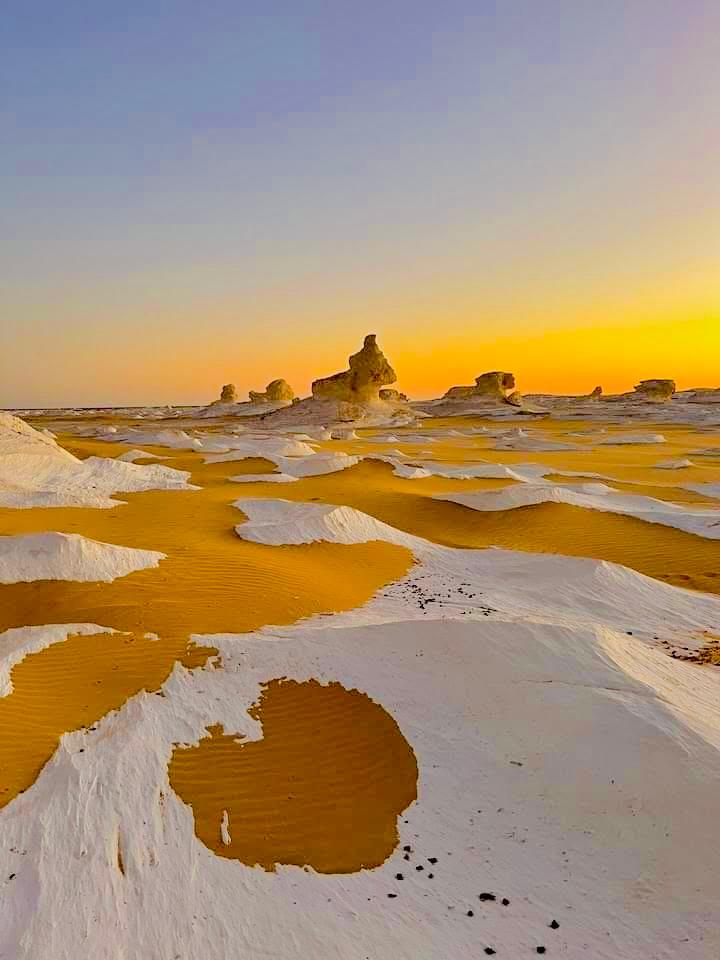
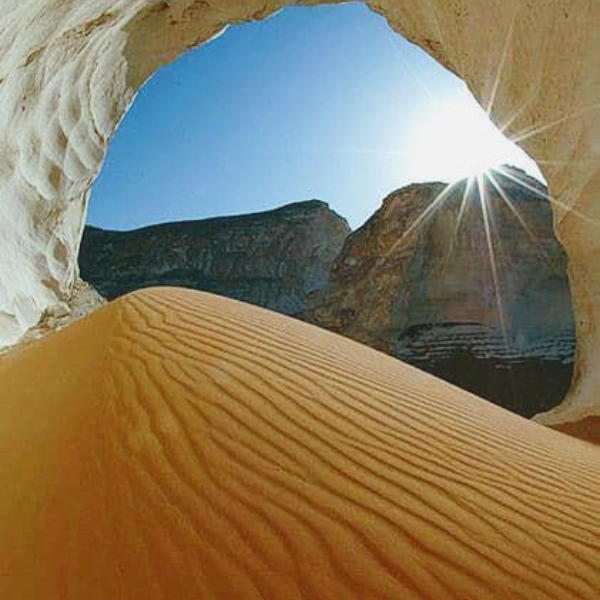
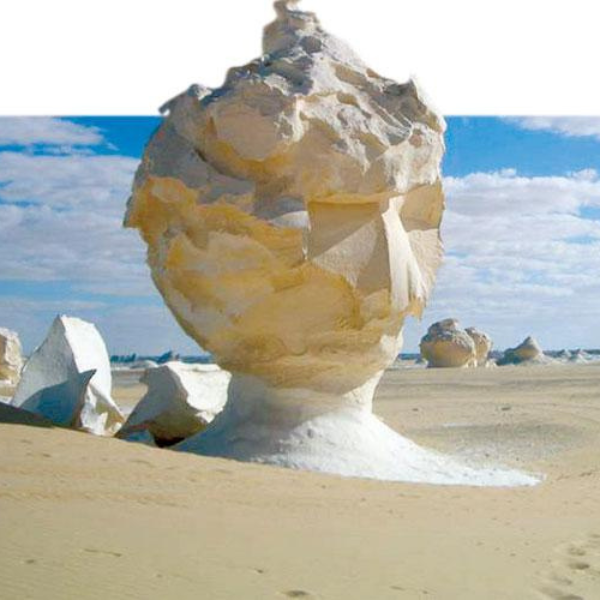
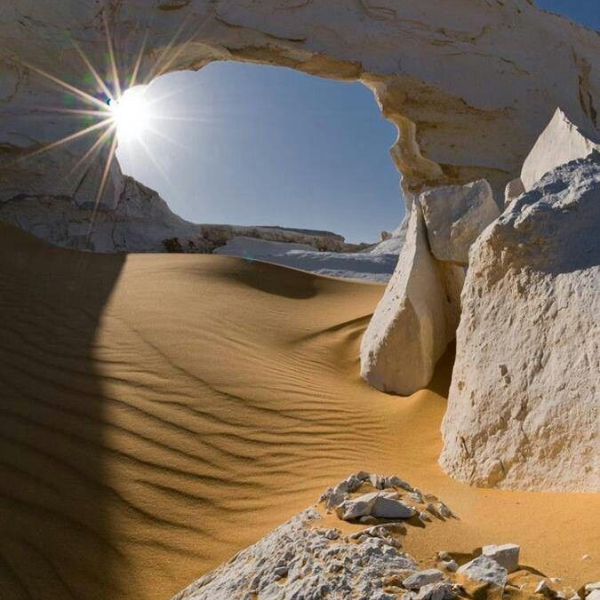
These incredible natural sculptures rise from the desert floor like giant frozen creatures, strange mushrooms, icebergs, or alien monuments.


For many travelers visiting Egypt’s Western Desert, the White Desert feels almost unreal.


But one question fascinates visitors more than anything else:

How were the White Desert rock formations created?

The answer involves:


  • Millions of years of geology
  • Ancient oceans
  • Wind erosion
  • Limestone formations
  • Desert climate changes

In this complete guide, you will discover:


  • How the White Desert formations formed
  • Why they are white
  • Famous rock shapes
  • Geological history
  • Photography tips
  • Best places to see the formations
  • Why the landscape looks so unique

Whether you are a traveler, photographer, geology enthusiast, or adventure seeker, understanding these incredible formations makes visiting the White Desert even more fascinating.

What Are the White Desert Rock Formations?

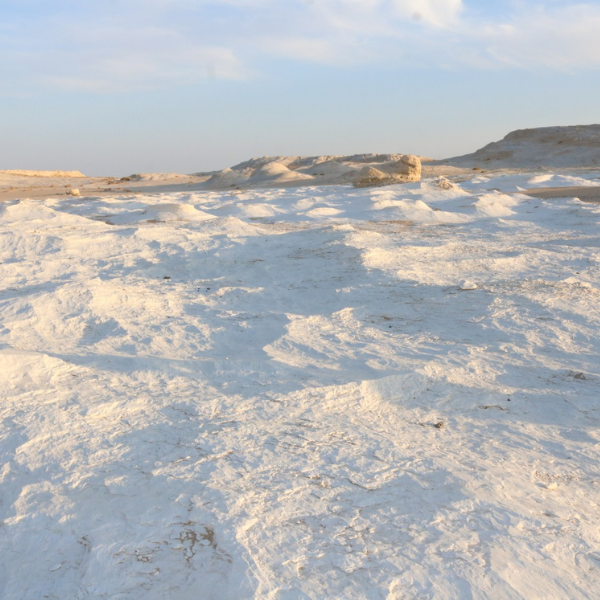
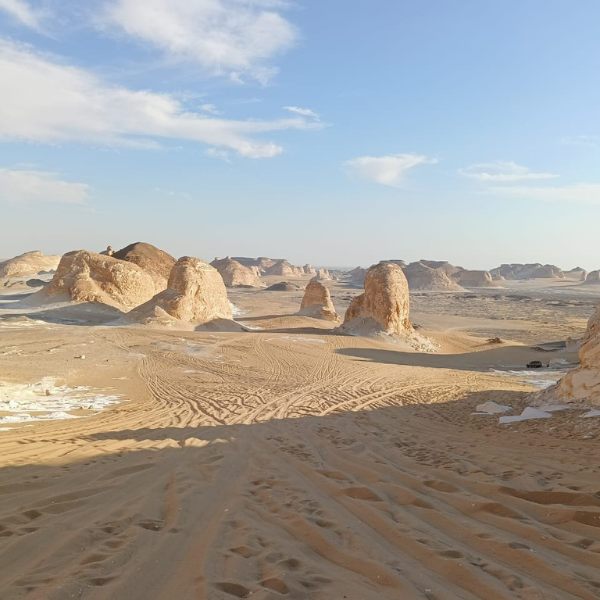
The White Desert formations are massive natural chalk and limestone structures shaped by:


  • Wind erosion
  • Sandstorms
  • Geological activity
  • Climate changes over millions of years

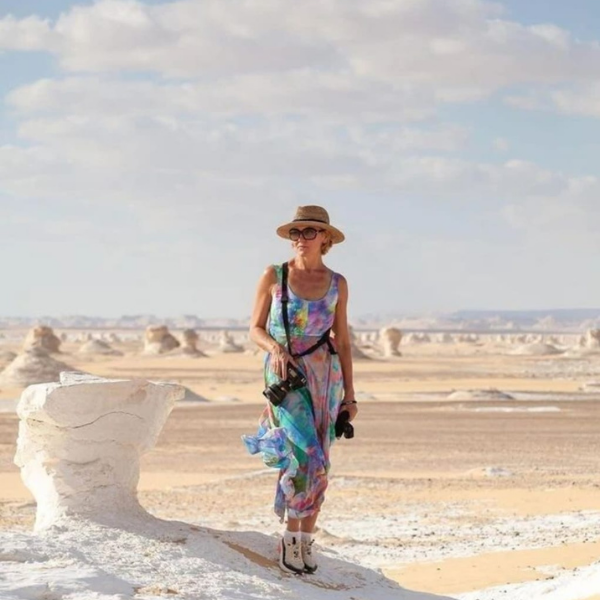
The formations appear in many unusual shapes including:


  • Mushrooms
  • Giant towers
  • Animals
  • Ice-like structures
  • Abstract sculptures

Their bright white appearance creates one of the most unique desert landscapes in the world.

Why Is the White Desert White?

The White Desert gets its color from:


Chalk and limestone deposits.

Millions of years ago, much of this region was covered by an ancient sea.

Over time:


  • Marine sediments accumulated
  • Limestone and chalk formed
  • Geological uplift exposed the formations
  • Wind erosion shaped them into strange forms

The bright white color reflects sunlight dramatically, especially during:

  • Sunrise
  • Sunset
  • Moonlight

This creates the magical appearance the White Desert is famous for today.

How Old Are the White Desert Formations?

The geological history of the White Desert dates back millions of years.


The region was once:


  • Underwater
  • Part of an ancient seabed

Over long periods:


  • Marine organisms created sediment layers
  • Limestone developed
  • The sea disappeared
  • Desert erosion transformed the landscape

The formations seen today are the result of extremely long natural geological processes.

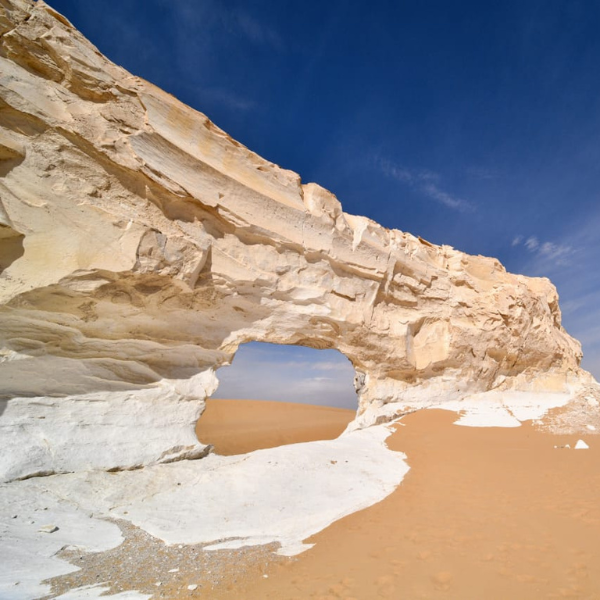
How Wind Created the Famous Shapes

One of the most important forces shaping the White Desert is:


Wind erosion.

Strong desert winds continuously:


  • Remove softer material
  • Polish surfaces
  • Carve unusual shapes

Because some rock layers are stronger than others, erosion creates:


  • Narrow bases
  • Large tops
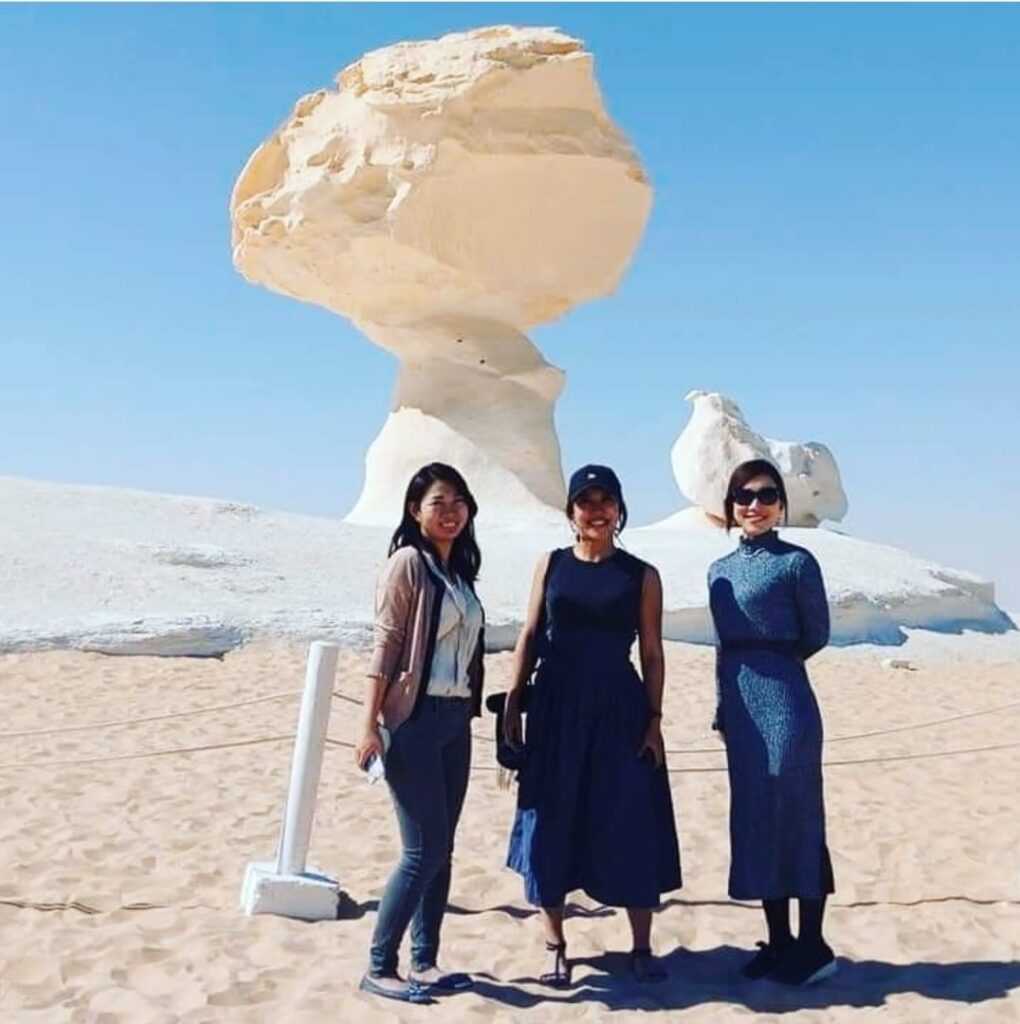
  • Mushroom-like formations

This is why many rocks appear almost sculpted by hand.

Famous White Desert Rock Shapes

One of the most exciting parts of visiting the White Desert is spotting formations that resemble familiar objects or animals.


Different guides and travelers identify shapes differently depending on imagination and lighting conditions.

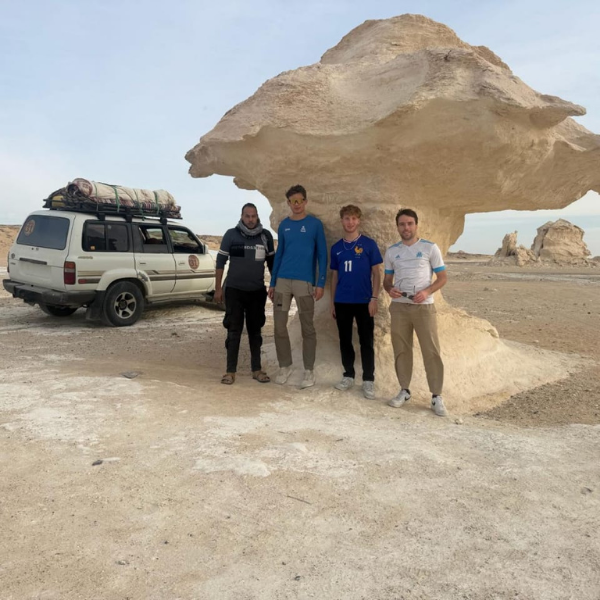
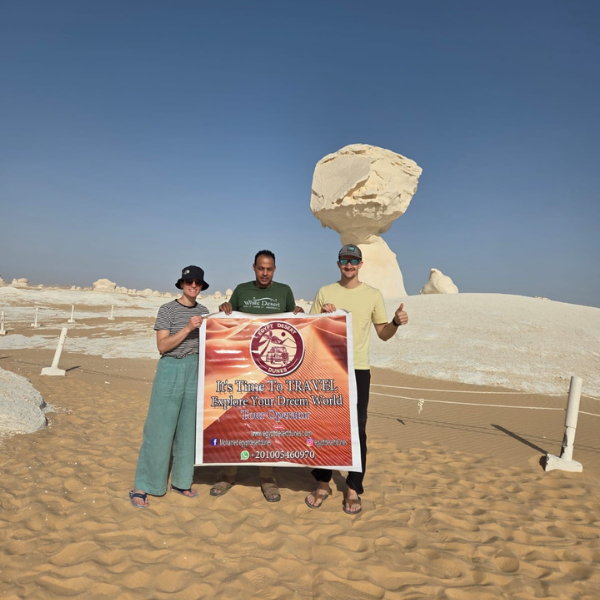
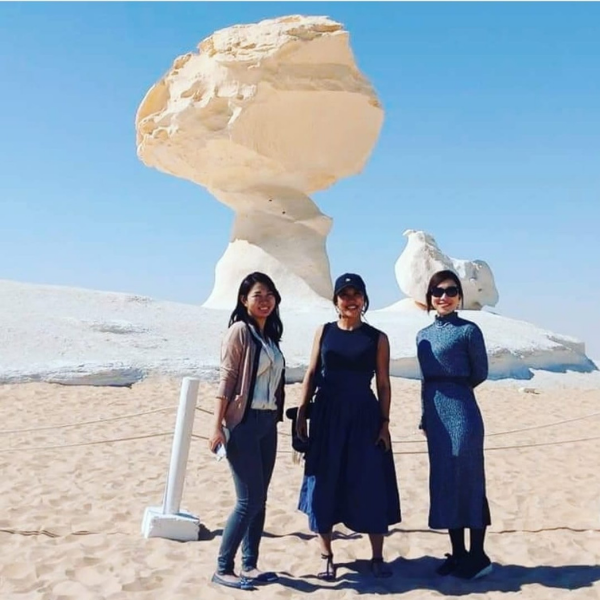
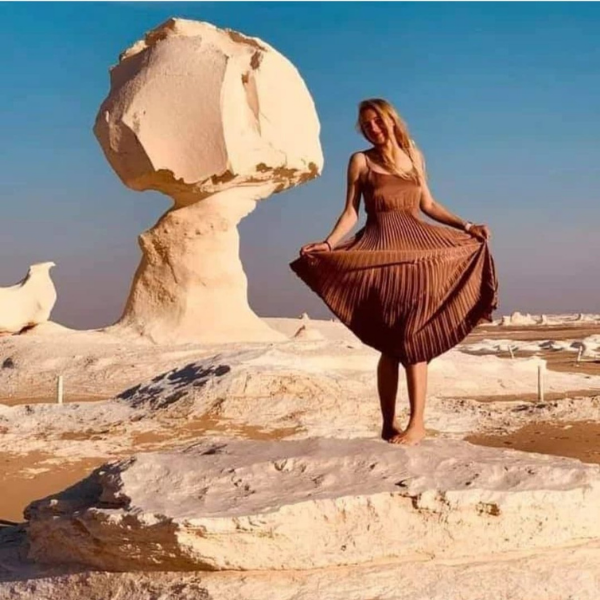
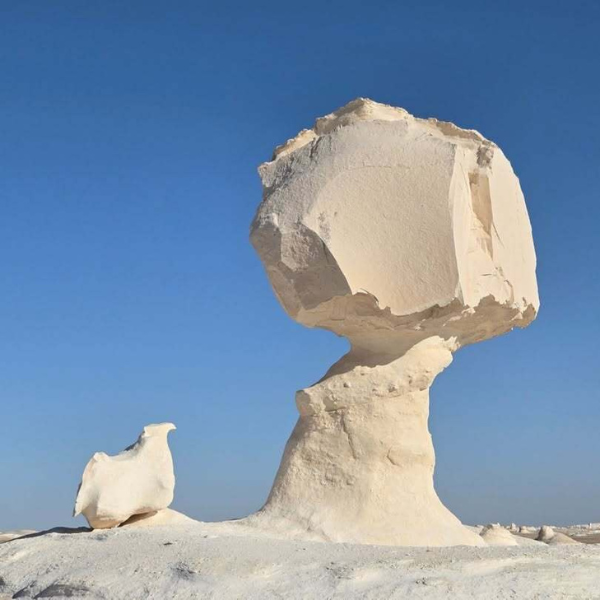
Mushroom Rocks

The mushroom formations are the most iconic symbols of the White Desert.


These rocks feature:


  • Thin lower sections
  • Large rounded tops

They formed because:


  • Lower layers eroded faster
  • Upper layers remained stronger

Photographers especially love shooting these formations during sunset.

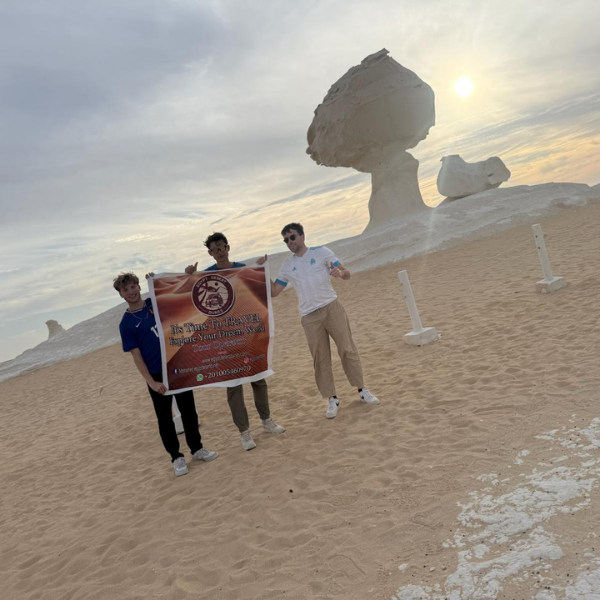
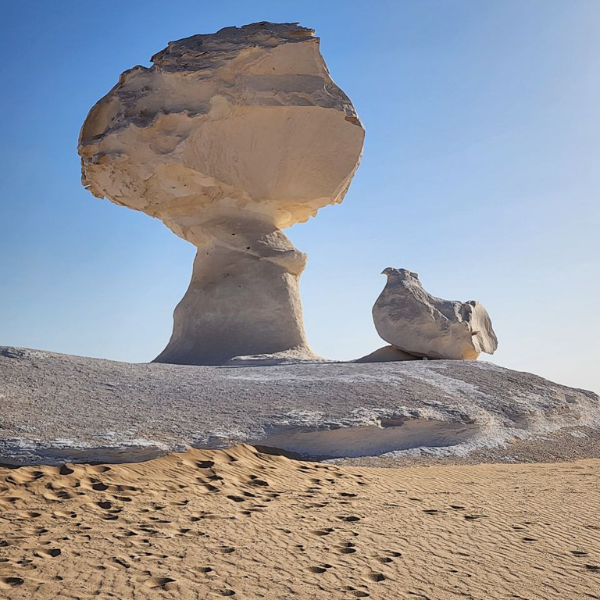
Chicken and Mushroom Formation

One of the most famous formations resembles:

  • A chicken beside a mushroom

This formation has become one of the most photographed locations in the White Desert.


Many safari tours stop here for:


  • Photography
  • Exploration
  • Sunset viewing

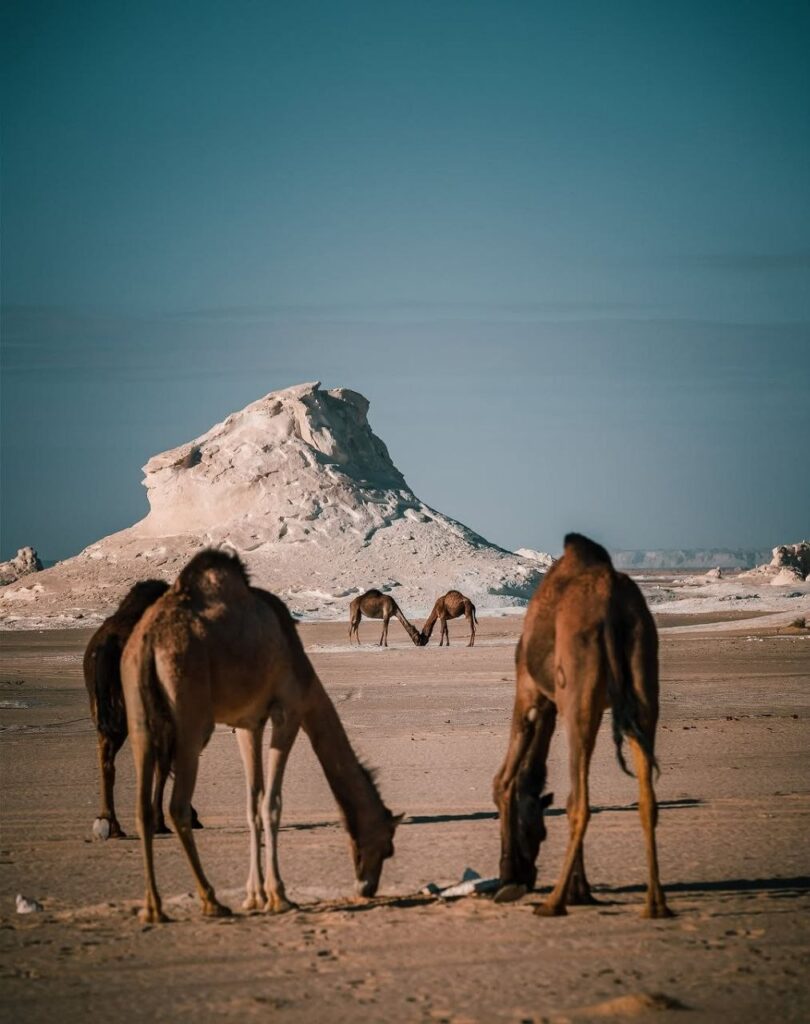
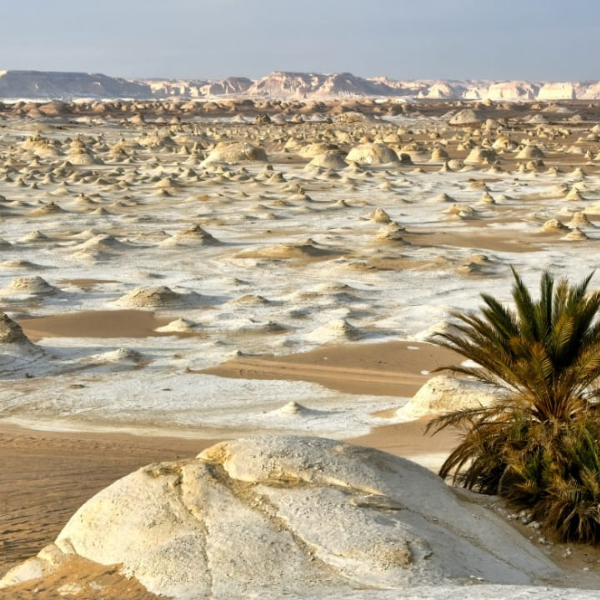
Iceberg-Like Formations

Some areas of the White Desert look surprisingly similar to:


  • Snow landscapes
  • Ice mountains
  • Frozen terrain

This unusual appearance creates the “alien planet” feeling many travelers describe.

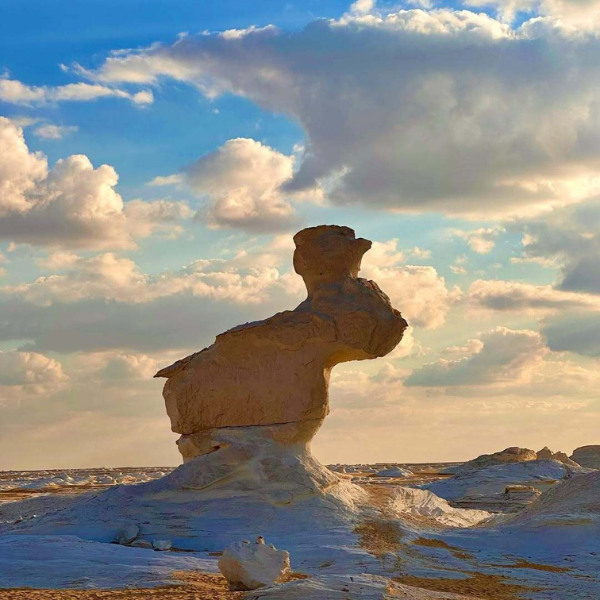
Animal-Shaped Rocks

Some formations resemble:


  • Camels
  • Birds
  • Giant creatures

Because erosion constantly changes the landscape slowly over time, some shapes evolve naturally.

Why the White Desert Looks Different at Different Times

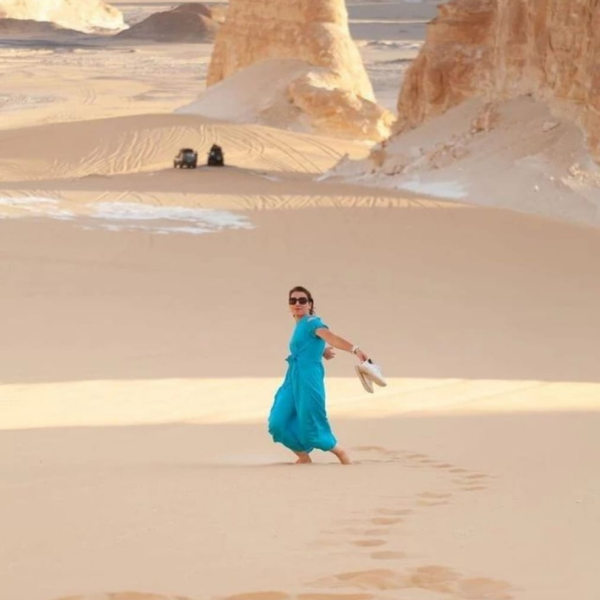
Lighting dramatically changes the appearance of the formations.


Sunrise

At sunrise:

  • The rocks appear soft and golden
  • Shadows become long
  • The landscape feels calm and peaceful

Midday

During midday:

  • The formations become intensely bright
  • White surfaces reflect sunlight strongly

This creates powerful visual contrast.


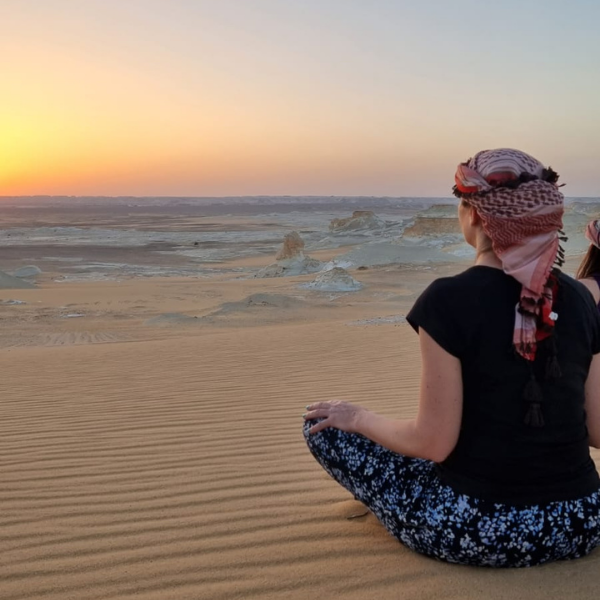
Sunset

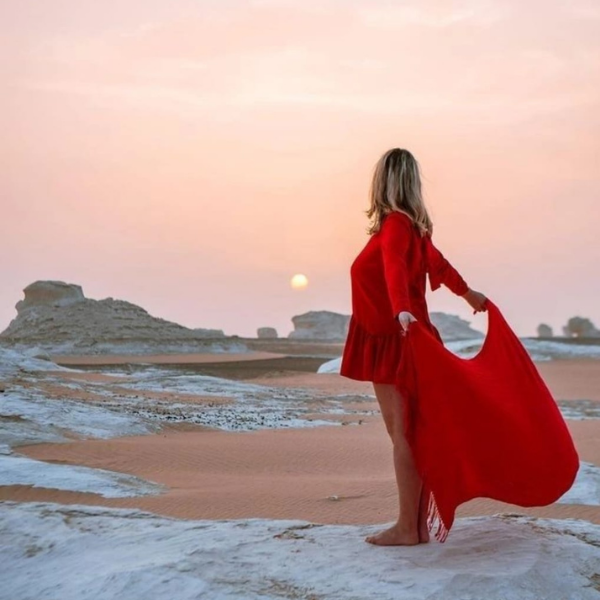
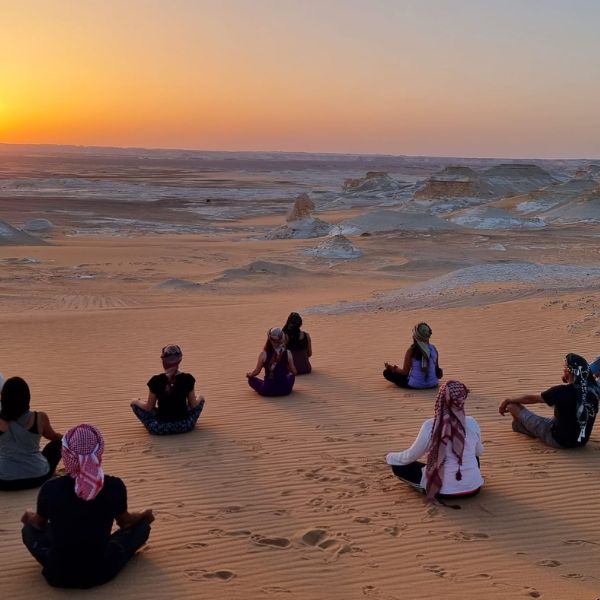
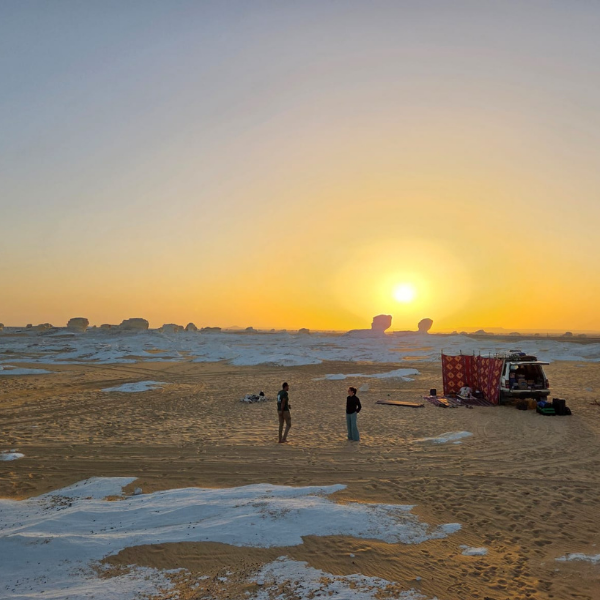
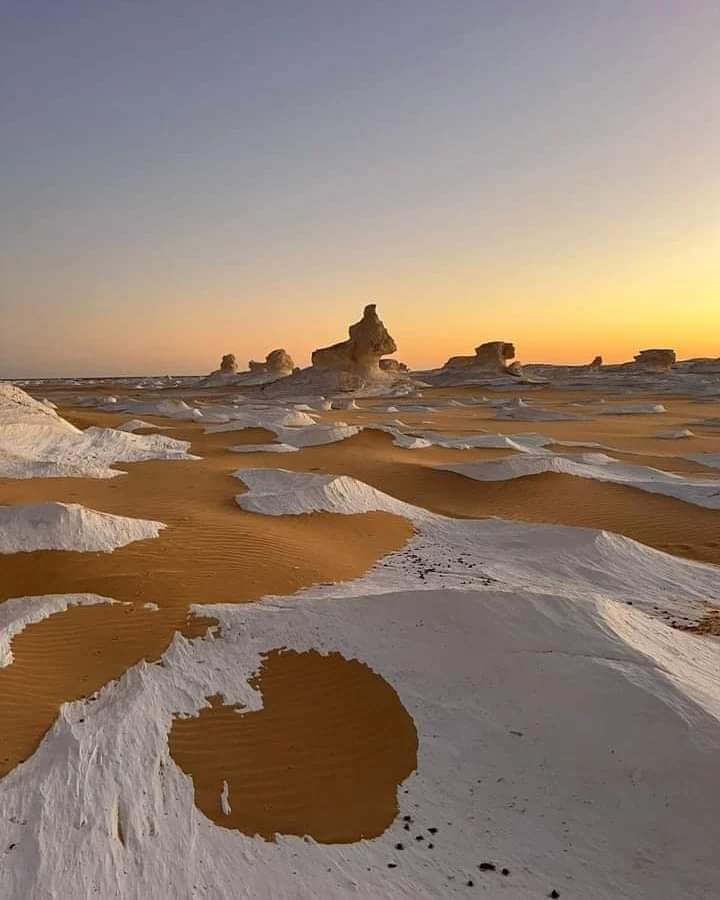
Sunset is when the White Desert becomes most dramatic.

The formations begin reflecting:

  • Orange
  • Gold
  • Pink
  • Blue tones

This is why sunset is considered the best photography time.


Moonlight

At night under moonlight, the formations often appear:

  • Silver
  • Glowing
  • Almost supernatural

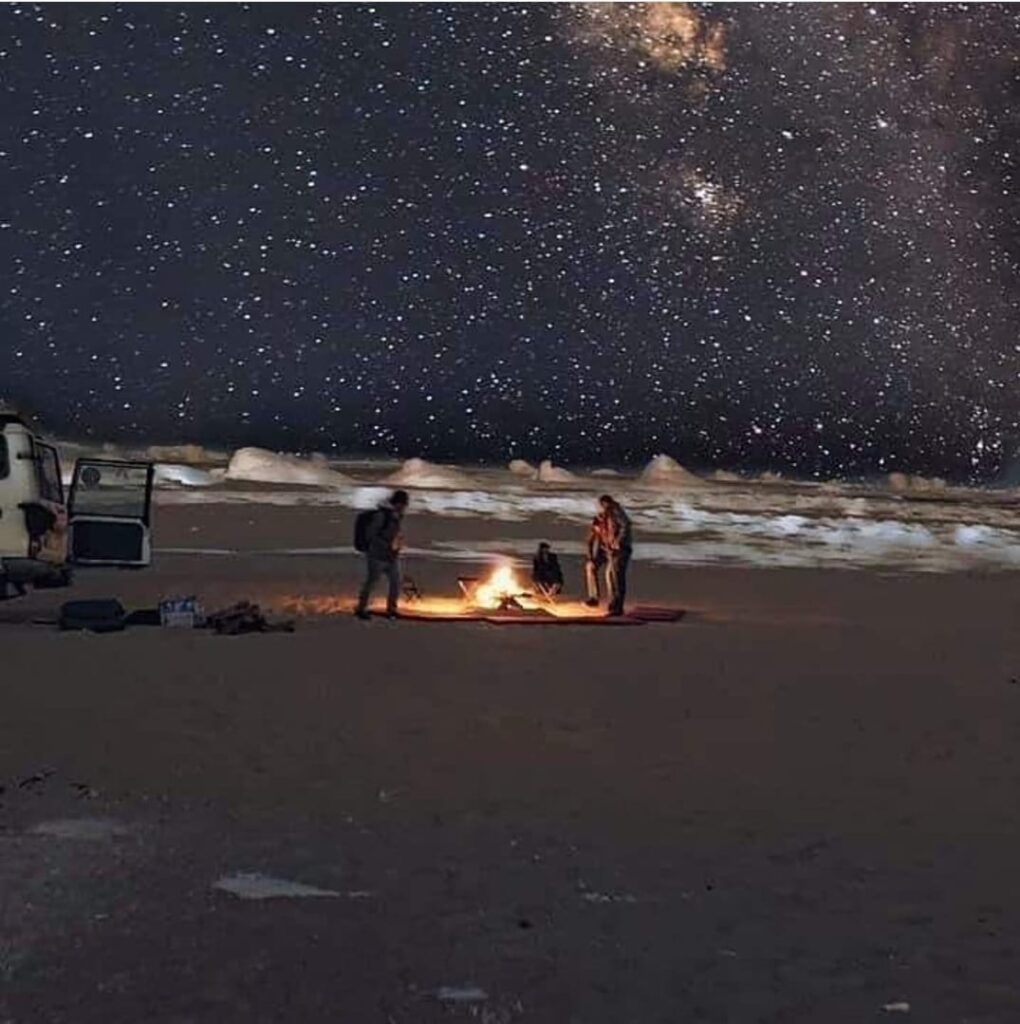
Combined with the stars, the atmosphere becomes unforgettable.

Why Photographers Love White Desert Formations

The White Desert is one of Egypt’s best photography destinations.


Photographers love:


  • Minimalist compositions
  • Strong contrast
  • Massive open landscapes
  • Unique textures
  • Natural geometry

Popular photography subjects include:


  • Mushroom rocks
  • Jeep silhouettes
  • Stargazing scenes
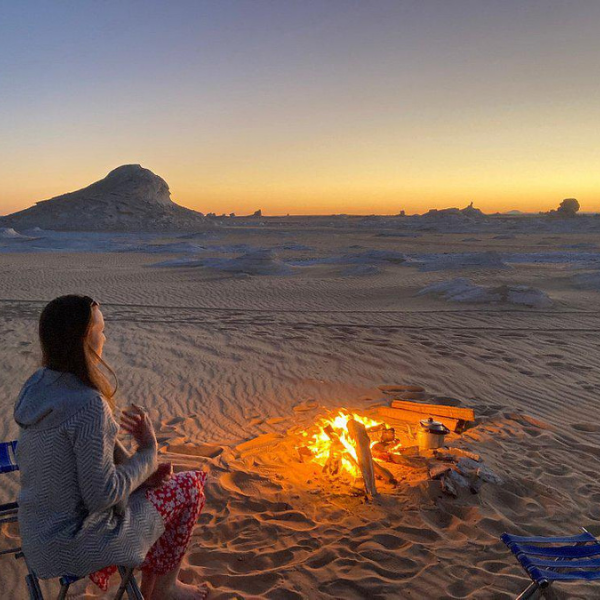
  • Campfires
  • Sunrise shadows

For photography advice read:
White Desert Photography Tips

Best Time to See the White Desert Formations

The best months are usually:


  • October
  • November
  • December
  • January
  • February
  • March

These months provide:


  • Better lighting conditions
  • Cooler temperatures
  • Comfortable exploration
  • Clear skies

For seasonal guidance read:
Best Time to Visit White Desert Egypt

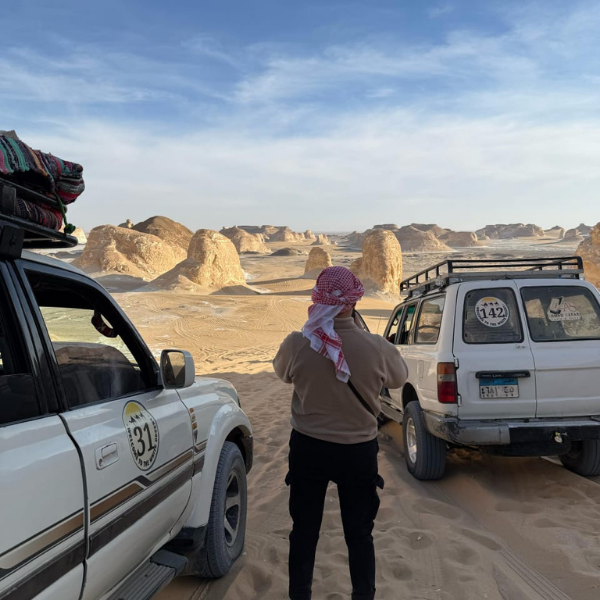
Exploring the Formations by Safari

The best way to explore the White Desert formations is through:


Guided desert safaris.

Professional guides know:

  • The best formations
  • Scenic routes
  • Photography locations
  • Sunset spots

Popular tours include:


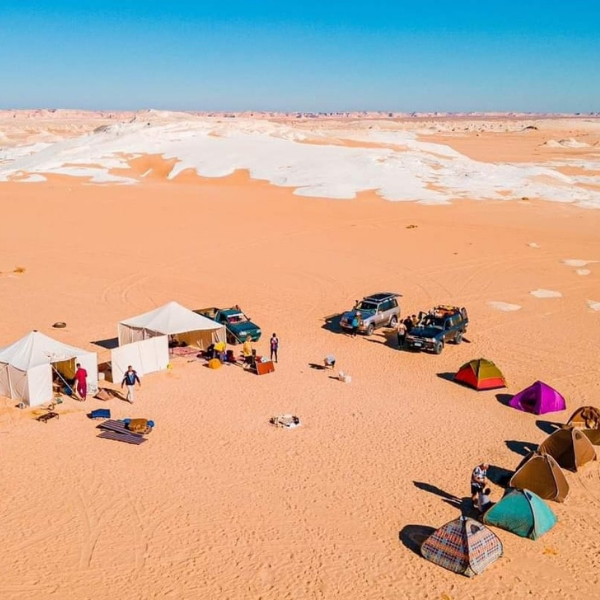
Camping Near the White Formations

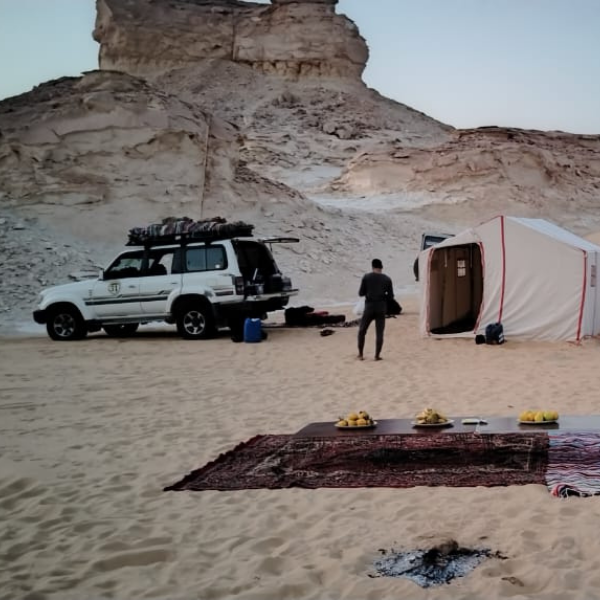
One of the most magical experiences is camping directly beside the formations.


At night:


  • The white rocks reflect moonlight
  • The stars become extremely visible
  • The desert feels silent and peaceful

Camping allows travelers to experience the formations during:


  • Sunset
  • Nighttime
  • Sunrise

which completely changes the atmosphere.


For camping experiences read:
White Desert Camping Guide

White Desert Geology and Ancient Oceans

One of the most fascinating facts about the White Desert is that:


It was once underwater.

Millions of years ago:


  • Ancient seas covered the region
  • Marine organisms lived there
  • Sediments accumulated

This explains:


  • The limestone composition
  • Fossil presence
  • The white chalk appearance

The desert seen today was once part of a prehistoric marine environment.

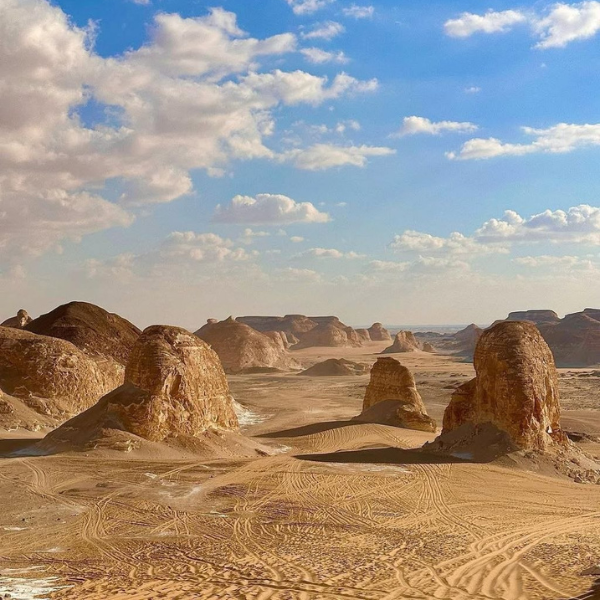
Why the White Desert Is Unique Globally

Many deserts around the world feature:


  • Sand dunes
  • Rocky valleys
  • Dry landscapes

But very few places offer:


  • Massive white chalk formations
  • Surreal natural sculptures
  • Such dramatic contrast

That is why the White Desert has become internationally famous among:


  • Photographers
  • Geologists
  • Adventure travelers
  • Nature lovers

Common Visitor Mistakes

Visiting Only During Midday

The formations look much more dramatic during:

  • Sunrise
  • Sunset
  • Golden hour

Rushing Through the Desert

The White Desert is best experienced slowly.

Camping overnight allows travelers to appreciate:

  • Lighting changes
  • Night atmosphere
  • Stargazing

Ignoring Photography Opportunities

The formations create some of the best photography conditions in Egypt.

Is the White Desert Worth Visiting for the Rock Formations Alone?

For many travelers:


Yes.

The formations are unlike anything else in Egypt.

Combined with:


  • Desert camping
  • Stargazing
  • Jeep safaris
  • Silence

…the experience becomes unforgettable.

Final Thoughts

The White Desert rock formations are among the most extraordinary natural landscapes in Egypt.


Created through millions of years of geological processes and shaped by powerful desert winds, these surreal white sculptures transform the Western Desert into a place that feels almost unreal.


Whether you visit for:


  • Photography
  • Adventure
  • Camping
  • Nature
  • Geology

…the White Desert offers one of Egypt’s most unique travel experiences.

Ready to Explore Egypt’s White Desert Formations?

Join Egypt Desert Dunes for unforgettable desert safaris, camping adventures, photography tours, and jeep expeditions through Egypt’s magical White Desert.

Explore Our Popular Tours:

- Tours Carousel
Traveler Reviews

What Our Guests Say on Tripadvisor

Real experiences from travelers who explored Egypt’s deserts, oases, and cultural landmarks with Egypt Desert Dunes. Read their Tripadvisor reviews and discover why guests choose us for private desert safaris, camping adventures, and unforgettable Egypt tours.

FQA

What are the White Desert rock formations made of? +

The formations are mainly made of chalk and limestone deposits formed millions of years ago.

Why is the White Desert white? +

The desert appears white because of its limestone and chalk composition.

How were the White Desert formations created? +

The formations were shaped by wind erosion, sandstorms, and geological processes over millions of years.

What is the most famous formation in the White Desert? +

The mushroom-shaped formations and the “chicken and mushroom” rock are among the most famous.

Is the White Desert good for photography? +

Yes. The White Desert is one of Egypt’s best photography destinations, especially during sunrise and sunset.

Leave a Comment

Your email address will not be published. Required fields are marked *